
Is Sediment in Your Water Heater Dangerous? Signs, Risks, and What to Do
Many homeowners rarely think about their water heater until something interrupts their hot water supply. Inside a typical water heater tank, minerals naturally found in water can settle over time and create sediment. This sediment buildup forms at the bottom of the tank, especially in areas with hard water, where minerals like calcium and magnesium are common.
When this sediment accumulation grows thicker, it can affect a hot water heater’s performance, reduce efficiency, and create unusual noises. Homeowners often wonder whether sediment in the water heater can lead to dangerous situations.
While it’s not always an immediate safety issue, ignoring sediment can lead to reduced performance, higher energy bills, and potential damage to the tank-type water heaters many homes rely on.
In this guide, we’ll explain how sediment builds, the risks involved, and what you can do to safely remove sediment and keep your hot water tank running efficiently.
What Causes Sediment Buildup in a Water Heater Tank?
Most homes receive water that contains small amounts of dissolved minerals. When water enters the water heater tank through the cold water supply or cold water inlet valve, it carries minerals such as calcium and magnesium. As the heater warms the water, those minerals separate and settle.
Over time, these particles collect at the bottom of the tank and create layers of sediment filling the tank’s base. This process is especially common in homes with hard water, where mineral content is higher.
Several factors influence how quickly sediment buildup forms:
- Mineral-heavy water supply
- High water temperature settings
- Older tank-type water heaters
- Lack of regular maintenance
As sediment thickens, the heating element or burner must work harder to heat the same amount of water. According to guidance on water heating efficiency from the U.S. Department of Energy, routine care helps maintain efficiency and prevent performance problems.
Whether you have electric water heaters, an electric heater with a lower element, or gas water heaters powered by natural gas, sediment can still accumulate over time and affect system performance.
Is Sediment in Water Heater Dangerous?
In most cases, sediment in the water heater does not immediately develop into dangerous conditions. However, excessive sediment can create several issues inside the steel tank that affect both performance and safety.
As sediment forms a thick layer, it traps heat beneath it. This can create hot spots inside the tank that strain internal components such as the anode rod, also known as the sacrificial anode, which helps protect the tank from corrosion inside.
Over time, sediment-related problems may include:
- Reduced efficiency and higher energy bills
- Damage to the lower element in electric water heaters
- Increased pressure inside the tank
- Strain on the pressure relief valve or safety valve
- Increased risk of leaks if corrosion develops
Mineral deposits and scaling can block heat exchangers in tankless units, causing the system to shut down or operate unsafely. The International Association of Certified Home Inspectors notes that mineral buildup and maintenance issues can significantly affect water heater performance and longevity.
While sediment alone rarely causes an immediate emergency, so much sediment buildup can eventually affect both safety components and overall system reliability.
Signs Your Hot Water Heater Has Sediment Buildup
Sediment problems often reveal themselves through noticeable changes in how the system operates. When sediment accumulates at the bottom of the tank, it interferes with normal heating and water flow.
Homeowners may notice warning signs such as:
- Popping or rumbling noises as trapped water bubbles through sediment
- Reduced hot water capacity from the hot water tank
- Longer heating cycles before hot water reaches faucets
- Water discoloration or cloudy water from the hot water faucet
- Inconsistent water temperature
- Rising energy bills due to reduced efficiency
These issues happen because the heater must work harder to push heat through the layer of sediment. Instead of heating water efficiently, the burner or electric element wastes energy heating the sediment itself.
If you hear rumbling noises or notice reduced hot water capacity, sediment buildup may be interfering with the water heater’s performance.
Risks of Ignoring Sediment Accumulation
When sediment accumulation continues unchecked, several long-term problems may develop within the water heater tank.
Common risks include:
- Reduced efficiency and higher operating costs
- Shorter system service life
- Increased strain on the gas valve, pilot light, or heating elements
- Potential damage to the pressure relief valve
- Greater chance of leaks if corrosion spreads through the steel tank
Sediment also limits water flow inside the tank. As the heater struggles to warm water through the mineral layer, homeowners may notice longer heating cycles and increased energy bills.
Over time, heavy sediment buildup may also clog the drain valve, making it harder to remove sediment through routine flushing.
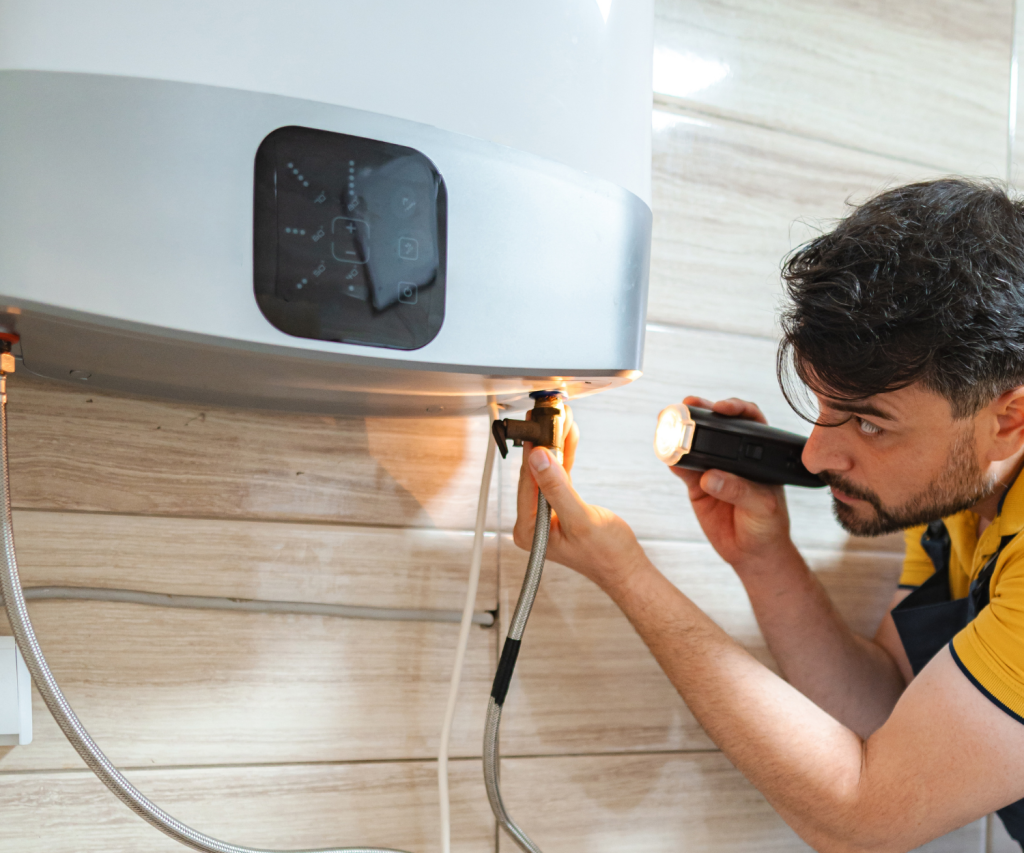
Should You Flush the Water Heater or Call a Professional?
Flushing a hot water heater can help remove loose sediment before it becomes a serious problem. Many homeowners flush their tank periodically using a garden hose connected to the drain valve.
A typical flushing process may involve:
- Turning off the gas supply or circuit breaker
- Closing the cold water supply valve
- Connecting a hose to the drain valve
- Running the hose toward a floor drain or outside
- Opening a hot water faucet to release pressure
- Draining water until it runs clear
This process helps safely remove sediment and restore efficiency. However, if there is not a lot of sediment removed or if the tank contains so much sediment that it blocks the drain, professional service may be required.
In older systems or tanks with heavy sediment filling, flushing may loosen debris that clogs internal parts such as the supply line, valves, or other components. A professional inspection can determine whether flushing is safe or if deeper service is needed.
If you’re unsure whether sediment in the water heater indicates dangerous conditions may exist, scheduling a service visit allows technicians to check the gas heater, electric heater, valves, and safety systems.
How Regular Maintenance Helps Prevent Sediment Buildup
The best way to prevent sediment buildup is through consistent regular maintenance. Periodic service helps remove minerals before they accumulate into thick layers.
Maintenance tasks often include:
- Flushing the tank using the drain valve
- Checking the anode rod or sacrificial anode
- Inspecting the pressure relief valve
- Checking the water temperature setting
- Verifying proper water flow and system operation
Homes with hard water may benefit from installing a water softener, which reduces mineral content before it enters the water system. In some cases, homeowners may also have their water tested to better understand mineral levels.
Routine maintenance helps maintain storage capacity, improve efficiency, and extend the life of the heater.
Protect Your Water Heater With Regular Maintenance
Sediment buildup is common in many homes, especially where mineral-rich water enters the water supply. While sediment may not immediately be dangerous, it can reduce efficiency, limit hot water, and shorten the lifespan of your water heater tank.
Warning signs, such as rumbling noises, water discoloration, or rising energy bills, often indicate sediment collecting inside the tank. Recognizing these issues early helps homeowners address the problem before it worsens.
If you’re experiencing issues with your water heater, our team at First Rate Plumbing Heating & Cooling can help. Call (505) 859-4329 to speak with our office team, or request an estimate by filling out the contact form on our website to schedule professional service.
Taking proactive steps to maintain your system helps ensure reliable hot water and better performance for years to come.
Frequently Asked Questions
Is sediment in a water heater dangerous?
In most cases, sediment in water heaters doesn’t develop into dangerous situations immediately. However, heavy sediment buildup at the bottom of the water heater tank can reduce efficiency, create overheating spots, and shorten the system’s service life. Regular maintenance helps prevent excessive sediment from damaging the hot water heater.
What causes sediment buildup in a hot water tank?
Sediment forms when minerals like calcium and magnesium from hard water settle at the bottom of the hot water tank during heating. Over time, this sediment accumulation can affect the heater’s performance and reduce hot water capacity. Installing a water softener and performing regular maintenance can help prevent sediment buildup.
What are the signs of sediment buildup in a water heater?
Common warning signs include rumbling or popping noises from the water heater tank, reduced hot water capacity, and cloudy or rusty-looking hot water. You may also notice longer heating times or higher energy bills due to reduced efficiency. These symptoms often indicate sediment collecting at the bottom of the tank.
Can flushing a water heater remove sediment buildup?
Yes, flushing the system can help safely remove sediment from the tank. This process typically involves attaching a garden hose to the drain valve and draining water until it runs clear. However, if there is excessive sediment or the drain valve becomes clogged, professional service may be needed.
How can I schedule water heater service with First Rate Plumbing Heating & Cooling?
If you suspect sediment buildup in your water heater, we can help at First Rate Plumbing Heating & Cooling. You can call (505) 859-4329 to speak with our office team or schedule service through our website to arrange a professional inspection.
Our licensed technicians can evaluate your water heater tank, remove sediment if needed, and help restore reliable hot water to your home.

