
Old Boiler “Furnace”: How Boilers Work and When to Consider an Upgrade
Many homeowners use the term old boiler furnace when referring to aging equipment that heats their house during the winter months. In reality, a boiler and a furnace are different types of heating systems, even though both produce heat to keep a home warm.
Older systems in Albuquerque homes may still be running properly, especially those built with durable materials like cast iron, but age can affect efficiency, reliability, and fuel costs. Over time, an old boiler or furnace may require more maintenance, consume more fuel, or increase your fuel bills.
Understanding how a boiler works, how boiler technology has improved, and what warning signs indicate problems can help homeowners make good sense of repair or boiler replacement decisions. This guide explains the differences between boilers and furnaces, common problems with aging systems, and modern upgrade options.
Why Some Homeowners Call It an “Old Boiler Furnace”
The term old boiler furnace is common because many homeowners use “furnace” as a general label for any heating appliance. In reality, a boiler and a furnace are different systems, though both heat the air or surfaces inside your house.
A furnace heats air and distributes warm air through ducts and vents. It burns gas, oil, or uses electricity to heat air through a heat exchanger, and a blower pushes that heated air throughout the home.
A boiler, in contrast, heats hot water instead of air. The heated water moves through pipes to radiators, baseboard heaters, or hydronic radiant floor systems. Some homes also use steam systems, where steam travels through pipes and radiators to deliver heat.
Many older Albuquerque homes still rely on an existing boiler, especially properties with radiator heating installed decades ago. These systems can be reliable, but many homeowners eventually upgrade to a new system for improved efficiency.
If you’re unsure what system your home has, a professional evaluation can help determine whether repair or replacement is the better option.
If you’re considering alternatives, First Rate Plumbing Heating & Cooling provides professional furnace installation and replacement services designed to improve comfort, efficiency, and long term reliability for your home.
How a Boiler Heating System Works
The Main Components of a Boiler System
A boiler may look like a simple unit in the basement, but several components work together to keep the heating system running properly.
Key parts of a typical boiler include:
- A heat exchanger that transfers heat from the burner to the water
- A circulator pump that keeps the water flow moving through the system
- Expansion tank that manages pressure changes
- Radiators or baseboard heaters that release heat into each room
- The thermostat and controls that regulate temperature
Many older boilers are located near basement walls with vent pipes connected to a chimney or flue system. Proper venting is critical because combustion equipment must safely remove exhaust gases, including carbon monoxide.
The Basic Heating Cycle
The heating process begins when the thermostat signals that the house needs heat.
First, the burner ignites and heats water inside the boiler. The system may burn gas, oil, or sometimes use electricity as its fuel source.
Next, the circulator pump pushes hot water through pipes to radiators or baseboard units. As the water flows through these components, the heat spreads throughout the room, warming the floor, walls, and surrounding air.
After releasing its heat, the cooler water returns to the boiler to be reheated and sent through the system again. This continuous flow keeps the home comfortable during cold winter nights.
For more information on heating efficiency, ENERGY STAR provides helpful resources on how modern and highly efficient systems use energy more efficiently.
Signs Your Old Boiler System Is Nearing the End of Its Life
Common Problems With an Old Boiler
An old boiler furnace may continue running for many years, but several warning signs can indicate the system is struggling.
Common issues homeowners notice include:
- Uneven heating or rooms that never feel warm
- Strange noises such as banging, whistling, or gurgling
- Frequent service calls for repair
- Rising fuel bills during the heating season
- Visible corrosion on the unit or leaking pipes
- Slow heating response or reduced efficiency
In some situations, safety concerns can develop. Poor venting or malfunctioning equipment can increase the risk of carbon monoxide poisoning, which is why older heating appliances should be inspected regularly.
Typical Lifespan of a Boiler
A well-maintained boiler can last 15 to 30 years, especially if it was installed properly and receives regular maintenance.
However, efficiency gradually drops as internal components wear out. An oversized unit, poor insulation, or aging parts can affect performance and energy usage.
Eventually, an old boiler may cost more to operate than a modern alternative. At that point, boiler replacement often becomes the more reliable and cost-effective solution.
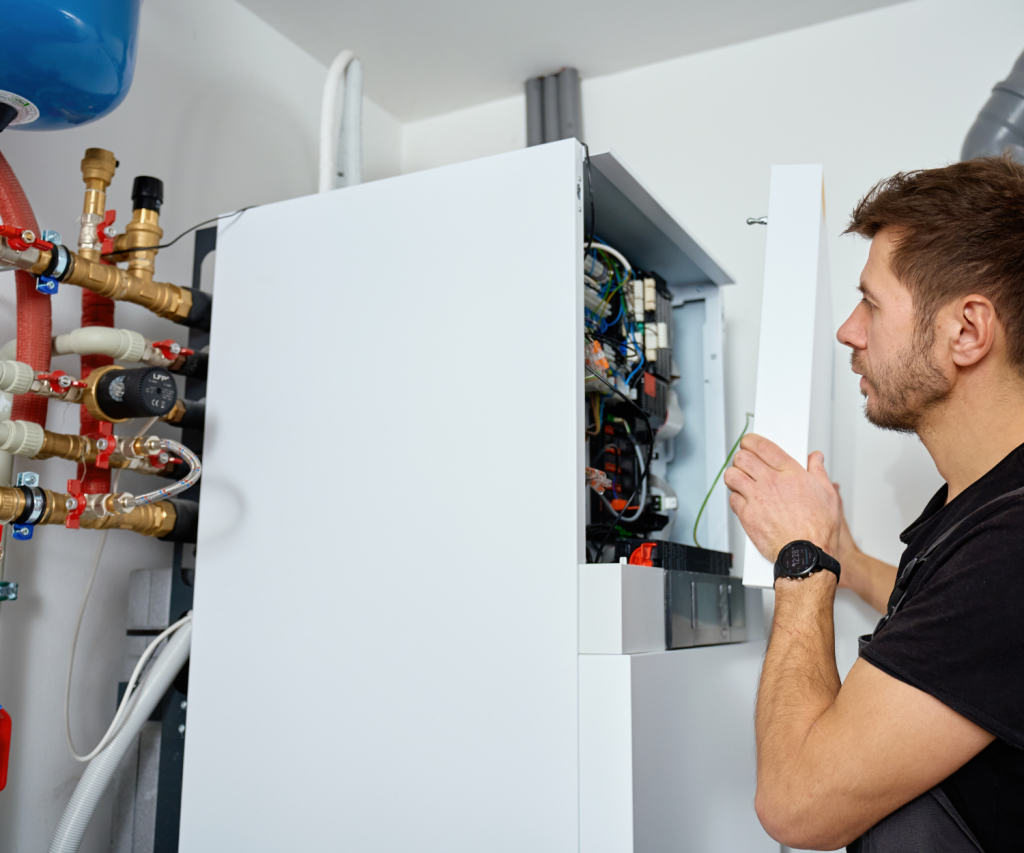
Repair vs Replace: When an Upgrade Makes More Sense
When Repair May Be the Right Choice
Sometimes a repair is all that is needed to keep a heating system running properly.
Repair may make sense if:
- The system is under 10–12 years old
- The issue involves a small component like valves, controls, or pumps
- The equipment still heats the home efficiently
- The cost of repair is relatively low
In these cases, professional service can restore performance and extend the life of the equipment.
When Boiler Replacement Is Often the Better Investment
In other situations, replacing the equipment may be the smarter long-term choice.
You may want to consider boiler replacement if:
- The system requires frequent repairs
- Corrosion or leaks are present
- Energy or fuel bills keep rising
- Replacement parts are difficult to find
- Safety concerns exist around the appliance or flue system
Modern heating equipment can often save money on operating costs while improving reliability. A qualified heating contractor can evaluate your equipment and recommend the most suitable option for your home.
Modern Heating Upgrade Options for Older Boiler Systems
High-Efficiency Furnaces
Many homeowners transitioning away from an old boiler choose high-efficiency furnaces as their new heating system.
These systems heat air and distribute it through ductwork, allowing warm air to circulate throughout the home. Modern furnaces are designed to operate efficiently, which can lower fuel usage and reduce monthly energy costs.
When properly installed, high-efficiency furnaces can provide consistent comfort during the coldest winter weather.
Heat Pumps and Dual-Fuel Systems
Another upgrade option is a heat pump or combination dual-fuel system.
Heat pumps move heat rather than generating it directly, making them extremely efficient. In colder conditions, a furnace can take over to maintain indoor comfort.
This type of system can provide both heating and cooling, which means one appliance handles comfort throughout the year.
What a Professional Heating Evaluation Includes
A professional evaluation helps homeowners determine which replacement option makes the most sense.
A typical evaluation includes:
- Inspection of the existing boiler or furnace
- Assessment of ductwork, radiators, and home layout
- Checking the attic, basement, and insulation levels
- Reviewing equipment sizing to ensure the system is not oversized
- Providing recommendations for a reliable upgrade
If you’re exploring replacement options, the heating experts at First Rate Plumbing Heating & Cooling can help you compare systems and choose the best solution for your home. Learn more about our furnace installation and replacement services.
Schedule a Heating System Evaluation Before Your Old Boiler Fails
An old boiler furnace may continue operating for years, but unexpected breakdowns often happen during the coldest winter months. Planning ahead can prevent emergency repairs and give homeowners time to evaluate upgrade options.
A professional evaluation can determine whether your current heating system is still reliable or whether replacing the unit would improve efficiency and comfort. Modern heating equipment is designed to operate more efficiently, which may reduce energy usage and long-term operating costs.
First Rate Plumbing Heating & Cooling has served homeowners throughout the Albuquerque and surrounding areas for decades, providing dependable heating solutions with licensed, background-checked technicians.
If your heating equipment is showing signs of age, schedule an inspection before winter arrives. Call (505) 859-4329, request service online, or ask about heating system upgrade options to keep your home warm and comfortable.
Frequently Asked Questions
Is an old boiler furnace safe to keep using?
An old boiler can still be safe if it is properly maintained and inspected regularly. However, aging equipment may develop venting problems, corrosion, or combustion issues that could increase the risk of carbon monoxide exposure. A professional inspection ensures the system is operating safely.
How long does a boiler or furnace usually last?
Most furnaces last about 15–20 years, while many boilers can last 20–30 years with proper maintenance. Factors like installation quality, fuel type, and how often the system runs during winter months can affect its lifespan.
What are the warning signs that an old boiler or furnace may be failing?
Common warning signs include strange noises, uneven heating, higher energy bills, water leaks, or frequent repairs. If the system struggles to keep the home warm, it may be time to consider repair or replacement.
Should I repair or replace an old heating system?
If the equipment is relatively new and the repair is minor, fixing the issue may make sense. However, if the system is near the end of its lifespan or requires frequent repairs, upgrading to a more efficient system can improve reliability and energy performance.
How can I schedule a heating system evaluation with First Rate Plumbing Heating & Cooling?
You can call (505) 859-4329, schedule service online, or request an estimate through the company website. A licensed technician will evaluate your current system and recommend the best repair or replacement options for your home.

