
4 Heat Pump Water Heater Benefits for New Mexico Homeowners
If your current water heater is aging or your energy bills keep creeping up, a heat pump water heater can be a meaningful efficiency upgrade for New Mexico households that use hot water year-round. These systems move heat instead of generating heat directly, which is why they often use less electricity than traditional electric water heaters.
In this post, I’ll break down the heat pump water heater benefits that matter most for Albuquerque and nearby communities.
I’ll also cover when a heat pump system makes sense, when it doesn’t, and what a professional install should account for, including air space, temperature, condensate, and electrical work.
If you need help choosing the right path, First Rate Plumbing Heating and Cooling is here to help.
How Do Heat Pump Water Heaters Work (So the Benefits Make Sense)
Heat pump water heaters work like a refrigerator in reverse. They pull heat energy from the surrounding air and transfer it into the tank to heat water.
This method of transferring heat is the core reason energy efficiency and energy savings are possible for water heating.
Benefit #1: Big Efficiency Gains That Can Lower Electric Use
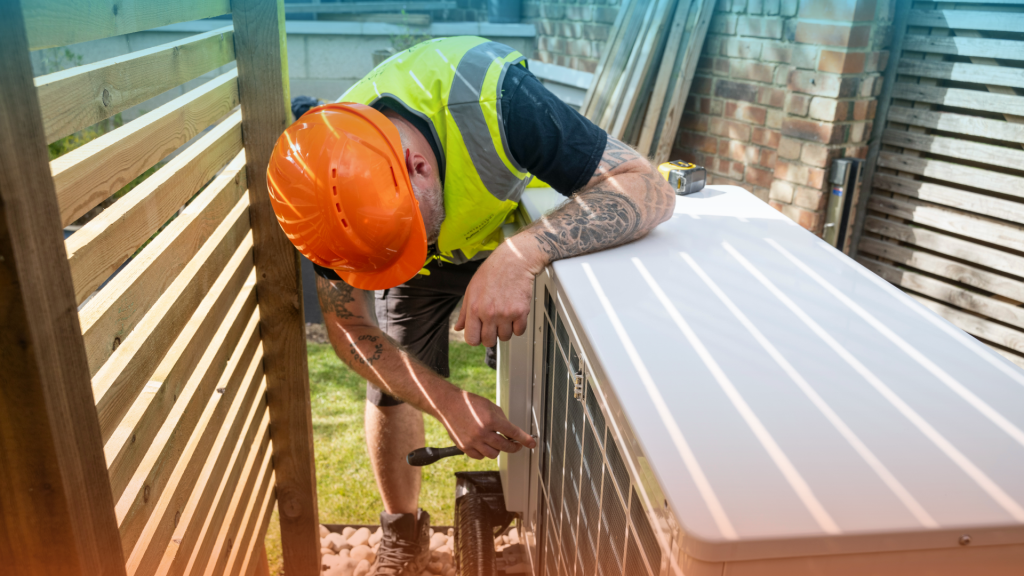
When homeowners ask me about a pump water heater, the first thing I explain is that it uses existing heat from the air instead of generating heat directly. That difference often means less electricity use and lower electricity costs over time.
For New Mexico homeowners watching energy use, this matters because water heating costs can add up month after month. Water heaters run in every season, and hot water appliances like dishwashers and laundry running do not take a break just because it is mild outside.
HPWHs Can Be 2–3X More Energy Efficient Than Electric Resistance
The Department of Energy explains that heat pump water heaters can be two to three times more energy efficient than conventional water heaters that use electric resistance. In plain terms, you can get the same hot water supply using less electricity than standard water heaters.
That higher efficiency comes from moving heat rather than creating it, which is why many high-efficiency models stand out in operating costs when compared with conventional systems.
What That Can Mean for Household Savings
ENERGY STAR notes that savings can be meaningful, especially for a household of four with higher hot water usage. The exact result depends on many factors, like household size, energy prices, electricity rates, and your installation location.
In Albuquerque homes where the unit sits in a garage or utility space, a heat pump replacement can be a strong candidate when the space stays in a workable temperature range and has enough airflow.
A properly installed, properly sized water heater will protect your reliable supply of gallons of hot water without driving higher energy bills from poor performance or wasted energy.
Benefit #2: Cleaner Operation (Plus Indoor Safety Upside)
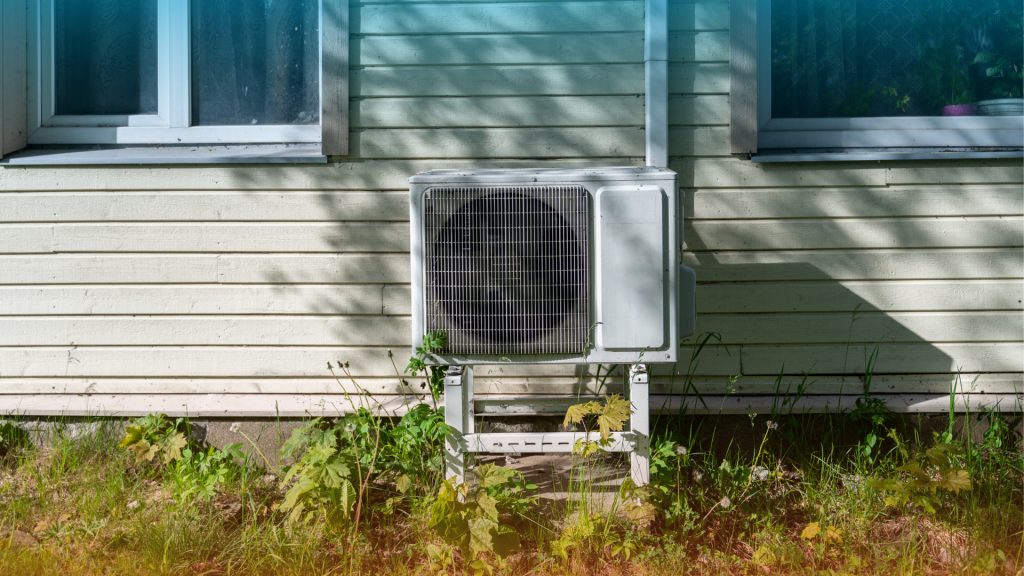
A lot of households in New Mexico still use fossil fuels like natural gas for parts of their heating and cooling setup, such as a gas furnace. A heat pump water heater is different because it is an electric water heater that heats water without burning fuel on site.
That can be an indoor air quality upside when you are replacing a gas-fired water heater. I am not saying your home is unsafe, but reducing indoor combustion sources can help some homeowners feel better about the way their water heating works.
No Fuel Burned Inside the Home
Because HPWHs do not burn gas inside the home, you remove one potential combustion source tied to hot water. That can matter for homeowners who want a cleaner approach to water heaters, especially when they are already moving other equipment toward electric options.
This is also why some people compare tankless water heater options, demand-type water heaters, and heat pump water, then choose the one that fits their goals and their home.
Lower Carbon Impact as the Grid Gets Cleaner (And With Solar)
Environmental benefits can grow over time as the grid gets cleaner, and some households add solar panels to reduce electricity use from the utility. Pairing solar with a higher-efficiency electric water heater can support lower energy bills, but results depend on household needs and your usage profile.
Benefit #3: A “Modern Upgrade” Experience (Controls + Modes)
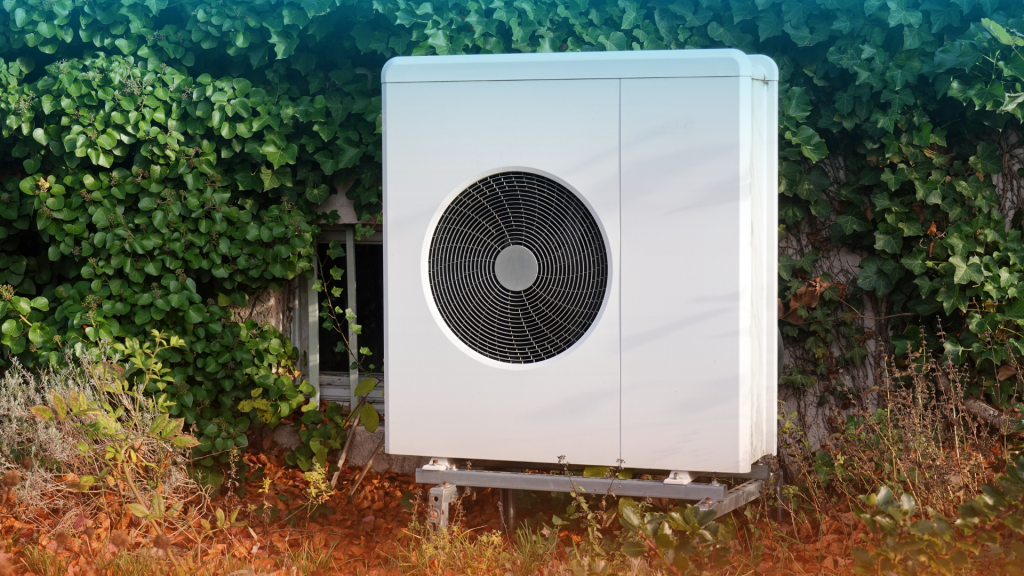
Heat pump water heaters often feel like a modern upgrade because of the controls and operating modes. ENERGY STAR points out that many units include a control panel and multiple modes that help you balance energy and comfort.
This is helpful in real households where peak usage times shift. Your system can adapt without you babysitting it every day.
Hybrid Modes Help Handle Higher Demand Periods
Many models are hybrid, which means they can switch to resistance elements during periods of high demand. That gives you backup heating for hot water when you need it most.
For example, when two showers and a dishwasher overlap, hybrid mode can help maintain hot water and keep you from running out during your busiest hour.
User Controls Make It Easier to Manage Performance
Better controls let you choose how the unit prioritizes efficiency versus speed, which can matter in whole-house routines. If you want a hot shower after sports practice and another person wants to run laundry, the right settings can help smooth that demand.
The goal is comfort without pushing the unit into continuous operation that increases energy costs or shortens performance over time.
Benefit #4: Incentives That May Help (New Mexico-Specific)
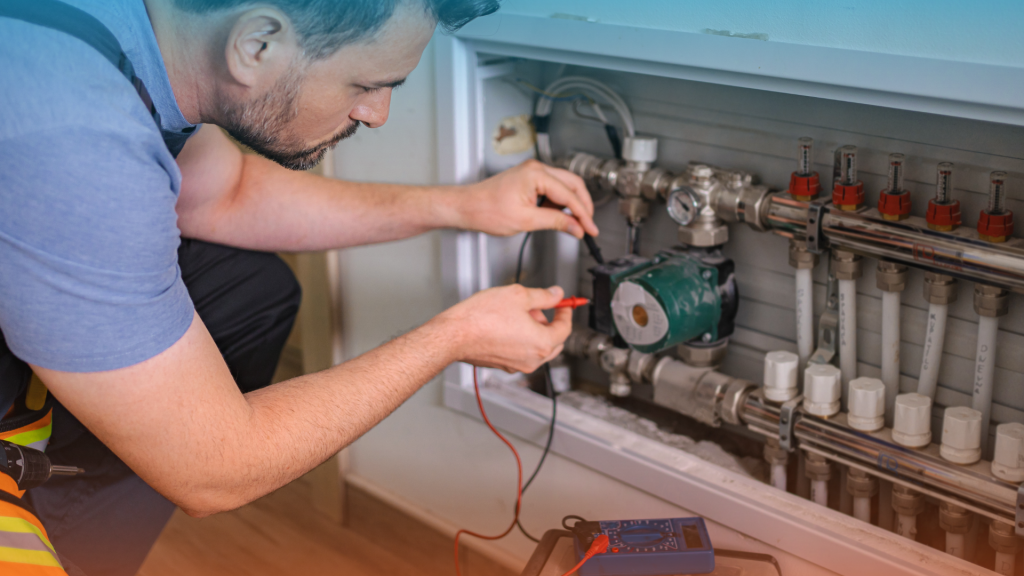
Financial incentives can change the math, especially if you are trying to make an energy-efficient upgrade pencil out faster. Incentives also change, so I always recommend using official sources and verifying eligibility before you commit.
In New Mexico, there are state options for income-qualified households plus federal tax credit programs that have deadlines and rules.
New Mexico HEAR Program (Income-Qualified)
New Mexico’s HEAR program materials indicate up to $1,750 for qualifying ENERGY STAR heat pump water heaters for eligible households. Eligibility depends on income and program requirements, and the unit must be installed by an authorized contractor.
This is where working with a qualified professional helps. The right installer can confirm the unit type, paperwork needs, and how to align the install with program rules.
Federal Tax Credit Note for 2026 Readers
IRS guidance states that the Energy Efficient Home Improvement Credit can be claimed for qualified improvements made through December 31, 2025. If you are reading this in 2026, verify whether anything has been updated since that cutoff.
Federal tax credits and a tax credit claim can be valuable, but the details matter. I recommend checking the IRS page before you make a purchase decision.
When a Heat Pump Water Heater Is (and Isn’t) a Great Fit in NM
Heat pump water heater benefits show up most clearly when the home and install conditions match what the equipment needs. New Mexico has a range of climate zones and temperature patterns, so placement and expectations matter more than most homeowners realize.
This is also why I caution people against comparing equipment based only on price. A cost-effective upgrade comes from good fit, not just a lower sticker.
Space + Temperature Requirements Matter a Lot
Heat pump water heaters should be installed in interior spaces that remain between about 40°F and 90°F year-round and provide around 1,000 cubic feet of air space around the water heater. That can vary by model, so a pro should confirm the specifications.
If a space is too cold, the unit tends to run less efficiently. That can shift savings and performance, especially for households that need enough hot water during winter mornings.
They Cool the Surrounding Space (Sometimes a Perk, Sometimes Not)
Because the unit pulls heat from the air, it can cool and dehumidify the space around it. In a warm garage or utility room, that cooling can be a perk. In a tight indoor closet near the living space, it may be a downside.
This is different from an air source heat pump for space conditioning, which typically has an outdoor unit. A heat pump water heater is focused on hot water, not provide heating for rooms.
Installation Needs: Condensate + Electrical + Noise Expectations
Heat pump water heaters create condensate water, so you need a drain, pump, or routing plan that protects floors and avoids water damage. They also need airflow, and many installs require electrical upgrades like a dedicated 240V circuit, depending on the unit and the home.
You should also expect some fan and compressor sound. That is normal, and it is another reason placement and access planning matter, especially if the unit is located near a bedroom door or central hallway.
Schedule Heat Pump Water Heater Installation in New Mexico
If you want a smarter water heating upgrade, heat pump water heaters can deliver strong energy efficiency and reliable hot water when they are installed correctly. The best results come from matching the unit to your household needs, your install space, and your hot water usage patterns.
At First Rate Plumbing Heating and Cooling, our licensed, background-checked team installs high-efficiency options with clear recommendations, upfront pricing, and no surprises. Ask about our Final Price Guarantee and 100% Satisfaction Guarantee. Call 505-859-4329 to schedule, or book online. Our hours are Mon–Fri 7:30 AM – 5:00 PM, with emergency availability.
Frequently Asked Questions
Are heat pump water heaters worth it in New Mexico?
They can be, especially when the install location meets temperature and air requirements, and your household uses a steady amount of hot water.
Do heat pump water heaters work in cold weather or in a garage?
Heat pumps work best in spaces that stay in a moderate range. Garages can work in New Mexico, but temperature and air space should be checked first.
How much can a heat pump water heater save per month?
Energy savings depend on energy bills, usage, electricity costs, and unit settings. ENERGY STAR shows examples of annual savings up to $550 for a family of four, but your result varies.
Do heat pump water heaters need venting or a drain?
They typically do not need combustion venting like natural gas units, but they do need condensate handling and the right electrical setup for the unit.
How do I schedule a heat pump water heater consultation with First Rate?
You can call (505) 859-4329 to speak with the First Rate Plumbing Heating & Cooling office team, or request an estimate online through the Schedule Service or Request an Estimate forms. A licensed technician can review your space, usage needs, and options to see if a heat pump water heater is a good fit for your home.

