
Commercial Plumbing Challenges in Albuquerque: Grease, Backups & Code
For Albuquerque businesses, plumbing issues can do more than cause inconvenience. They can disrupt business operations, trigger health hazards, fail inspections, and create costly cleanup.
In my work with local businesses, I see the same commercial plumbing challenges come up again and again. This guide covers four you can plan for: grease traps and FOG, sewer line backups, scaling from mineral-heavy water, and code and permit compliance.
If you want your business running smoothly, it helps to understand what causes these problems, what commercial plumbers check first, and what dependable prevention looks like.
Challenge #1: Grease Traps and FOG Compliance (Restaurants + Food Service)

Why FOG Is a Repeat Offender in Commercial Plumbing
FOG, meaning fats, oils, and grease, can cool down, solidify, and stick to piping systems. Over time, that buildup contributes to sewer blockages and overflows, which is why FOG control stays at the center of commercial plumbing issues for food service.
In a busy restaurant kitchen, frequent dishwashing, floor drains, and high water usage can overwhelm a weak grease setup. When grease management slips, clogged drains and slow drainage often show up before a full backup.
Grease Removal Systems: Installation + What Must Connect (And What Must Not)
ABCWUA’s FOG policy states food service establishments are required to install grease removal systems unless exempted. It also states systems must be sized according to the plumbing code authority, such as the City of Albuquerque or Bernalillo County.
The same policy spells out what typically connects to a GRS and what must not. Dishwashing-area drains and certain kitchen fixtures connect, while sanitary bathroom waste should not discharge to the GRS. It also notes that commercial dishwashers should not be connected to a GRS.
This is a common place where DIY or rushed commercial plumbing work creates expensive emergency repairs later—especially when dealing with plumbing tasks you should never DIY. A qualified plumbing company will confirm fixture repair needs, proper connections, and durable materials before calling the install complete.
Maintenance Mistakes That Lead to Backups (And Failed Inspections)
FOG compliance breaks down when maintenance becomes “when we remember.” ABCWUA describes the 25% rule, meaning pumping before grease and solids reach 25% of the vertical water column, and it also states cleaning at least every six months or as required by the 25% rule is required.
When records go missing, problems follow. The policy discusses recordkeeping like manifests or logs, and missing documentation can create inspection issues.
A practical approach is a simple preventative maintenance rhythm. For many commercial properties, a maintenance plan with routine maintenance scheduled inspections prevents emergency calls tied to grease traps.
Challenge #2: Sewer Line Backups That Disrupt Business Fast
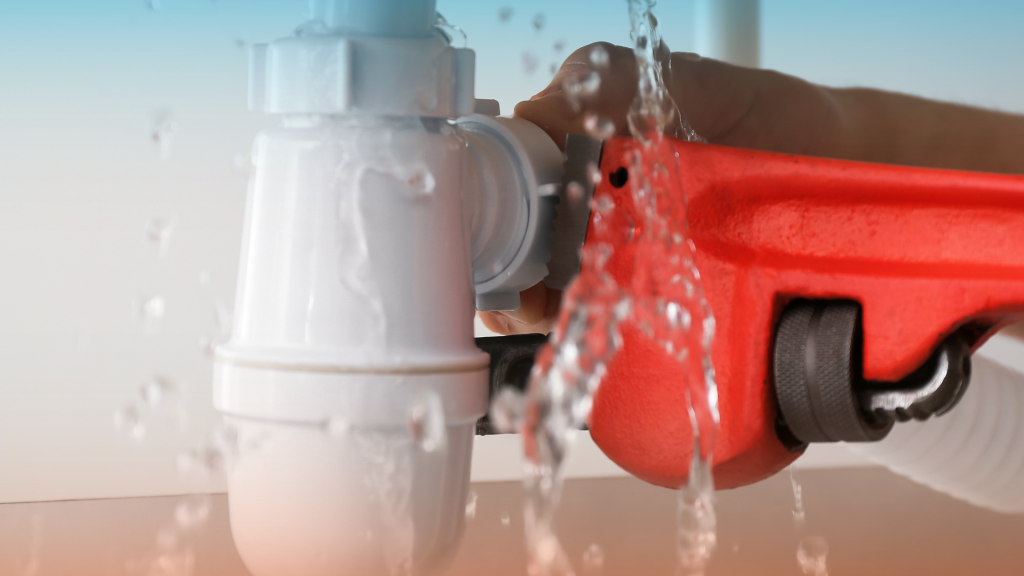
The Common Culprits (FOG + Solids + “Flushable” Products)
Most sewer lines fail the same way. Solids build up, “flushable” products do not break down like people expect, and grease traps that are ignored feed the blockage.
The EPA explains sanitary sewer overflows and the community-level goal of reducing backups and overflows. That is one reason FOG control gets attention in prevention conversations.
Multi-tenant office buildings, retail strips, apartment complexes, and mixed-use spaces can see faster impacts because multiple suites share plumbing systems. One contributor can tip the plumbing infrastructure into a backup that affects everyone.
What Pros Check First (Before “We Start Digging”)
When my team responds to a call, we follow a leak-to-line logic rather than guessing. We identify which fixtures are affected, where the backup is occurring, and whether it points to branch lines or main sewer lines.
ABCWUA describes how its collection system response deals with blockages and overflows in the local system. Your goal is to keep your building from becoming part of that chain reaction.
This is where a commercial plumbing repair plan often starts with drain cleaning, inspection, and targeted drain maintenance. It keeps repairs focused, minimizes disruption, and avoids tearing into space without a clear reason.
Prevention Plan Businesses Can Actually Follow
Prevention works when it is repeatable. For restaurants and high-risk operations, this usually means routine inspections plus documented grease system maintenance.
Here’s a simple prevention setup many facility managers can follow:
- Regular maintenance for grease traps, with logs and manifests when required for compliance
- Regular inspections of sewer lines, especially in older commercial buildings
- A proactive drain cleaning cadence for high-use floor drains and shared branch lines
This kind of comprehensive maintenance plan reduces costly emergencies, supports reliable plumbing, and helps avoid emergency plumbing repairs during peak hours.
Challenge #3: Scaling and Flow Restriction from Hard Water
What Scaling Is and Why Businesses Feel It Sooner
Hard water contains dissolved minerals. USGS notes that hardness can cause scale, and scale can clog pipes and reduce flow.
Businesses often feel this faster because of volume. Higher daily water usage puts more mineral loading through water supply lines, which can contribute to pipe corrosion and restricted flow over time.
Signs Your Building May Be Dealing With Scale Buildup
Scale rarely shows up overnight. You usually notice inconsistent water pressure, gradual flow reduction at fixtures, and more frequent aerator or valve issues.
Hot-side equipment can show symptoms, too. When minerals are left behind as water is heated or evaporates, deposits accumulate.
If you have commercial water heaters, water heaters working harder, or utility costs rising alongside performance issues, it is worth looking at the full system. This also supports the goal to maintain water quality in the building.
Practical Ways Pros Reduce Scaling Risk (Without Overpromising)
A practical plan combines maintenance and water quality strategy. That can mean flushing or cleaning where applicable and considering a treatment approach where scaling is chronic.
New Mexico groundwater can carry elevated total dissolved solids in many areas.
If your building needs a long-term plan, we often tie water quality to a maintenance contract. For some local businesses, water treatment can support equipment longevity.
Challenge #4: Code Compliance, Permits, and Passing Inspections
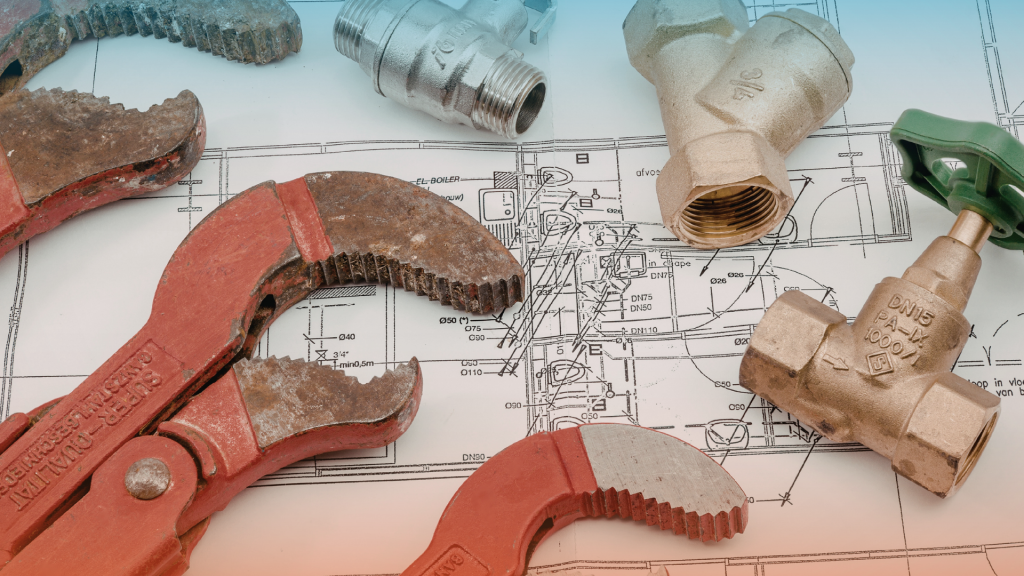
Why “We’ll Just Fix It Ourselves” Can Become a Permit/Inspection Problem
Commercial plumbing repairs and remodel work can trigger permit and inspection requirements. The City of Albuquerque provides commercial inspections information and trade plan review guidance for commercial projects.
Even when the fix feels simple, commercial regulations and code compliance can hinge on details. A small issue can become rework if the scope requires permits, inspections, or plan review coordination across plumbing, mechanical, or electrical.
This is where “saving” money can backfire. Unpermitted work can create surprise costs, lost time, and a second round of work to meet code.
State Requirements and Licensing Also Matter for Commercial Work
Commercial plumbing contractors need the right licensing for the work. New Mexico Construction Industries Division provides permitting resources for commercial construction, including guidance that emphasizes proper licensing and permitting steps.
This matters for business owners because it reduces risk. Licensed plumbers help protect your investment, your tenants, and your timeline.
The “Smooth Path” to Compliance (What a Pro Coordinates)
A smooth compliance path starts before tools come out. It usually includes a review of scope, documentation, and what the inspector will check.
In practice, that means:
- Confirming permit needs, then scheduling inspections
- Coordinating plan review steps when required
- Ensuring code-compliant installation so the first inspection is not a redo
That is how you reduce costly repairs tied to failed inspections. It also supports reliable service and minimizing downtime.
How First Rate Helps Albuquerque Businesses Stay Operational
First Rate Plumbing Heating and Cooling supports Albuquerque commercial plumbing with a comprehensive range of solutions. That includes commercial plumbing services, plumbing repairs, commercial plumbing repair, emergency response, and commercial plumbing systems support.
We also service water heaters, commercial water heaters, and related plumbing issues that affect business operations. If you need cooling services alongside plumbing service planning, our teams coordinate so you are not juggling vendors.
Our goal stays the same: dependable commercial plumbing services with licensed, background-checked techs, a Final Price Guarantee, and a 100% Satisfaction Guarantee. For many commercial properties, we also offer comprehensive maintenance plans designed around regular maintenance, routine maintenance, and timely repairs.
Book Your Commercial Plumbing Services in Albuquerque
If you manage local businesses, planning beats reacting. The four issues in this guide, grease traps and FOG compliance, sewer line backups, scale-related restrictions, and permits and compliance, are easier to handle with a clear plan.
If you are dealing with slow drains, clogged toilet complaints, hidden leaks, water bills that keep climbing, or inconsistent water pressure, we can help. Our team will look at sewer lines, drain cleaning needs, piping systems condition, and the maintenance plan that fits your operation.
Call First Rate Plumbing Heating and Cooling at (505) 859-4329. Hours are Mon–Fri 7:30 AM – 5:00 PM, with emergency repairs available.
Frequently Asked Questions
How often should a restaurant grease trap be cleaned?
ABCWUA describes cleaning at least every six months and also following the 25% rule. Failing to clean to those requirements can be a violation.
What causes repeated sewer line backups in commercial buildings?
FOG, solids, and products that do not break down can build blockages. Multi-tenant buildings can see faster impacts when several suites share lines.
Do commercial plumbing repairs require permits in Albuquerque?
Many commercial projects require permits and inspections, and the City of Albuquerque outlines commercial inspections and trade plan review resources.
Can hard water cause low water pressure in a commercial building?
Yes. Water hardness can create scale that can clog pipes and reduce flow, which can show up as reduced water pressure at fixtures.
How do I schedule commercial plumbing service with First Rate?
You can call (505) 859-4329 to speak with the First Rate Plumbing Heating & Cooling office team or request service online through the Schedule Service or Request an Estimate forms. A licensed technician can review your commercial plumbing needs, code requirements, and timeline to keep your business running smoothly.

