
How Plumbers Size Water Heaters for Your New Mexico Household
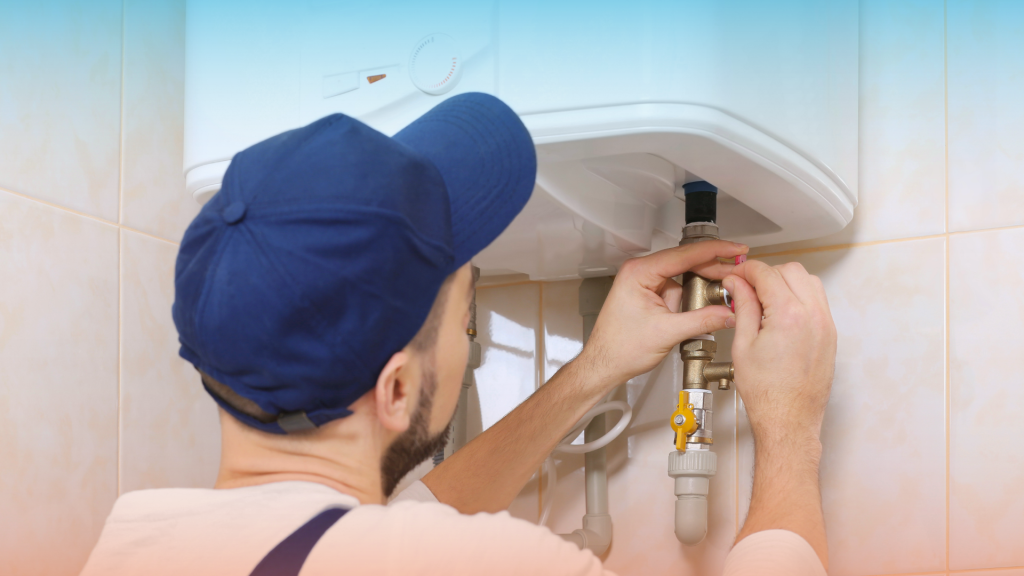
When homeowners ask me how plumbers size water heaters, I start by clearing up one myth fast. A bigger tank is not a sizing strategy, and it rarely fixes hot water problems for the whole house. The right approach is to size for peak hour demand, not guesswork or whatever the old unit happened to be.
For tank water heaters, we match your busiest hour to the First Hour Rating, often shortened to first hour rating or hour rating. For tankless water heaters, we size by flow rate in gallons per minute and the temperature rise needed to heat water from the incoming water temperature to your set temperature.
If you want enough hot water without overspending, start with the pros. First Rate Plumbing Heating and Cooling can help you choose the right size water heater for your household needs.
How Plumbers Size Storage Tank Water Heaters
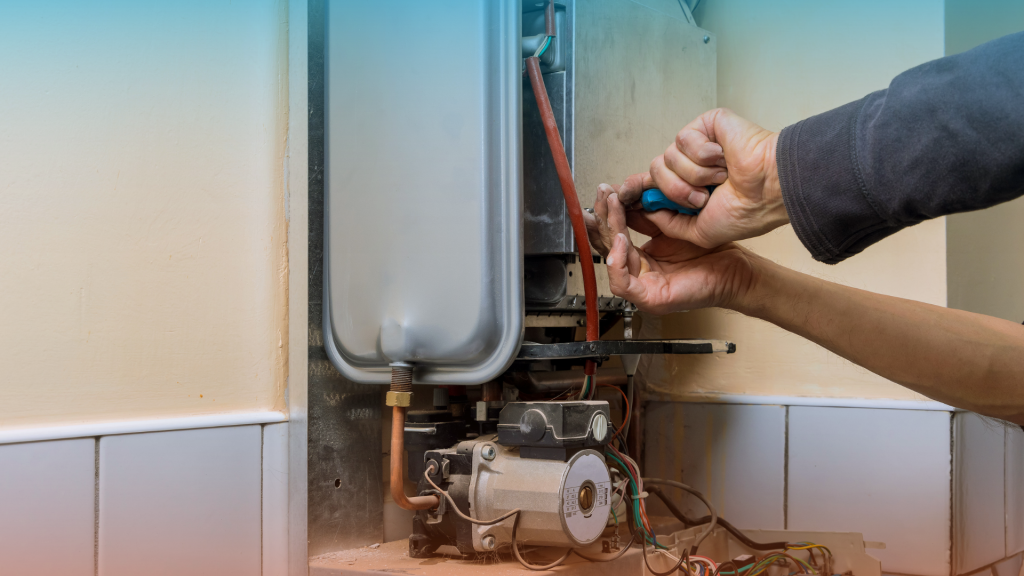
Step 1: Identify Your Home’s Peak-Hour Hot Water Demand
With storage tank systems, we begin with your peak hour, meaning the busiest 60 minutes of hot water usage. In most homes, that peak time window happens in the morning or evening, and it often includes a hot shower while laundry is running and someone is rinsing dishes at the kitchen sink.
We map overlap because that is what creates the maximum amount of demand. Showers, dishwashers, and washing machines are hot water appliances that can stack up without you noticing. The goal is simple: size the water heater tank for the hour you care about most, not an average day that never really happens.
The Department of Energy explains this peak-hour demand approach and why it leads to a properly sized water heater.
Step 2: Use First Hour Rating (FHR) to Choose the Right Model
Once we know your peak demand, we use First Hour Rating to pick the right size. First Hour Rating, or FHR, is how many gallons of hot water a storage water heater can deliver in the first hour, starting with a full tank. It includes what the tank can store water plus what it can recover during that hour.
This is why tank capacity alone can mislead homeowners. Two tanks with the same tank size can perform differently, and the right size water heater is the one whose hour rating matches your household’s hot water needs.
DOE notes you can often find the first hour rating on the EnergyGuide label, sometimes described as “Capacity (first hour rating).” That detail matters when you compare models side by side.
Step 3: Confirm Recovery Rate Factors (So It Keeps Up)
FHR depends on more than gallons. It depends on tank capacity, the heat source, and the size of the burner or electric elements, which is why two “same gallon” tanks can have different results.
As a professional plumber, we confirm the model can rebound after heavy use, so you do not end up with a cold shower right after one busy hour. This is also how we avoid wasted energy and higher energy bills causedby a larger unit that runs harder than it needs to.
How Plumbers Size Demand-Type Water Heaters (Tankless)
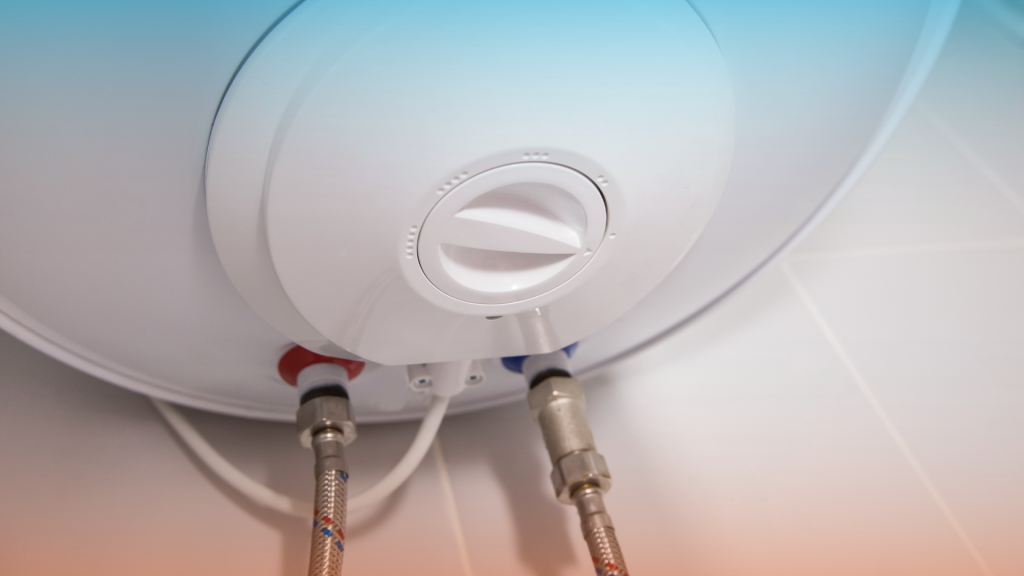
Step 1: Add Up Simultaneous Hot-Water Flow (Gallons Per Minute)
Tankless water heaters do not rely on tank gallons. A tankless system is sized around flow rate, measured in gallons per minute, at a given temperature rise. We list what you might run at the same time and total the per-minute demand, such as two showers, a bathroom sink, and a kitchen faucet.
ENERGY STAR defines maximum GPM as the gallons per minute of hot water an instantaneous or demand-type water heater unit can supply while maintaining a nominal temperature rise during steady operation. That definition mattersbecause tankless water heaters can deliver hot water continuously, but only up to their rated flow rate at the needed rise.
Step 2: Account for Temperature Rise (Especially in Winter)
Temperature rise is the difference between the incoming water temperature and your target hot water temperature. Colder inlet water increases the temperature rise required, and that can reduce how much hot water a tankless unit can deliver at once.
This is where homeowners get surprised. A tankless heater that feels fine in mild weather can feel undersized when outdoor temperatures drop, and incoming water gets colder, especially if multiple fixtures run together. Proper sizing keeps the system steady so your hot shower stays hot.
Real-Life Sizing Examples for New Mexico Homes
Example 1: Couple in Albuquerque with Morning Shower Overlap
In Albuquerque, a common peak hour is two back-to-back showers while a dishwasher runs. We identify the single busiest hour, then match it to the first hour rating so the couple gets consistent comfort. The goal is not to chase the biggest tank, it is to get the right size for the way the household actually lives.
If their old tank was “fine most days” but caused a cold shower on weekends, that is often a peak demand mismatch. Fixing it usually means choosing the right water heater you need based on hour rating, not swapping in the same-as-before tank.
Example 2: Family of 4 in Rio Rancho with Back-to-Back Showers
For a family size of four, peak-hour demand often stacks fast. Two showers, a bathroom sink, and a load of laundry can chew through the amount of hot water in a hurry, even with a full tank. For tank water heaters, first hour rating remains the deciding factor because it reflects both storage tank capacity and recovery.
If the family prefers tankless water heaters, we total the simultaneous gallons per minute across fixtures and then account for temperature rise. That is how you avoid an undersized water heater that cannot keep up when multiple bathrooms are in use.
Example 3: Higher Elevation NM Home Planning for Colder Inlet Water
In higher elevation parts of New Mexico, incoming water can be colder for longer stretches, and that increases the temperature rise needed. For a tankless unit, which can lower the available flow rate at the same set temperature, we size accordingly.
For a tank system, colder conditions can influence recovery expectations and energy use during peak times. This is one reason a licensed plumber should review your old unit and your current needs instead of assuming a new water heater should match the old water heater’s gallon size.
Other Factors Plumbers Consider Before Recommending a Unit
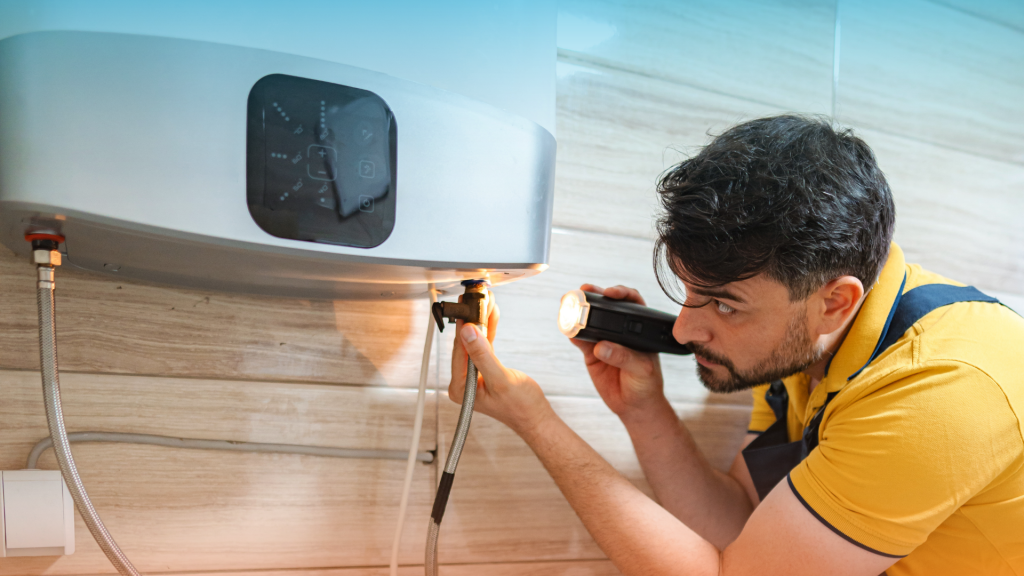
Fuel Type and Operating Cost Reality in New Mexico
Before we recommend a heating approach, we check what fuel is available and practical in your home. Some homes use natural gas, others rely fully on electric elements, and that affects energy costs and energy bills over the long run.
Instead of guessing, we point homeowners to official price data, and we talk through how that may affect operating costs.
Water Quality and Scale Risk (Why It Affects Performance Over Time)
Hard water and minerals can leave scale behind as you heat water, which is a common homeowner reality in many areas. USGS explains hardness relates largely to dissolved calcium and magnesium. ABCWUA also notes that when water evaporates or is heated, dissolved minerals get left behind, which helps explain buildup over time.
That is why we treat sizing as part of a bigger plan: right-size water heater choice, regular maintenance, and water quality support when needed. If you want to reduce hard-water strain on your plumbing, explore home water treatment options.
Get the Right-Size Water Heater Without Guessing
Here is the professional sizing logic we use on every water heater installation.
- Storage tank: peak-hour demand, then match first hour rating to that peak hour.
- Tankless system: add up simultaneous gallons per minute, then confirm the temperature rise for incoming water in your season.
A properly sized water heater helps you avoid cold shower surprises, avoids paying for a larger unit you do not need, and support optimal performance with less energy and less wasted energy.
If you want help choosing the right size, start with our water heater services at First Rate Plumbing Heating and Cooling. To request an installation consultation, contact us today.
Frequently Asked Questions
What size water heater do I need for a family of four?
It depends on peak hour demand, not only household size. A plumber reviews your peak times, then matches your needs to the first hour rating for tank water or gallons per minute for tankless.
What is First Hour Rating (FHR), and where do I find it?
FHR is how many gallons of hot water a storage tank can deliver in the first hour, starting with a full tank. DOE notes it is listed on the EnergyGuide label as “Capacity (first hour rating)”.
How do plumbers size a tankless water heater for multiple bathrooms?
We total the simultaneous flow rate in gallons per minute across fixtures, then account for temperature rise so the hot water supply stays steady when outdoor temperatures drop.
Is it better to oversize a water heater “just in case”?
Not usually. Undersized can lead to not enough hot water, while oversized can mean more energy use and higher energy bills than your household needs. The best result comes from matching peak demand to the right-sized water heater.

