
Trenchless Sewer Repair in Albuquerque: The Benefits of Going No-Dig
Sewer line problems are stressful, especially when the “traditional fix” means trenching through driveways, xeriscape, patios, or tight side yards. For many Albuquerque homeowners, that kind of extensive digging can turn a plumbing issue into a whole yard construction project.
At First Rate Plumbing Heating and Cooling, we help you compare repair options that fit your property and your timeline. In this guide, I’ll break down the top trenchless sewer repair benefits, how trenchless methods generally work (pipe lining vs. pipe bursting), when trenchless is a great fit, and what to expect during the process.
What Is Trenchless Sewer Repair?
Trenchless sewer repair is a minimally invasive method to repair or replace a sewer line without excavating a continuous trench across your yard. Instead of traditional excavation, we use specialized equipment and access points to reach the damaged pipe and restore function.
Two common trenchless methods include cured-in-place pipe lining and pipe bursting.
With pipe lining, we create a “pipe inside” the existing pipe by installing a new liner that hardens into a seamless interior. With pipe bursting, a bursting head breaks the old pipe outward while simultaneously pulling a new pipe through the same path, and it can sometimes increase diameter.
Which trenchless sewer line repair approach is best depends on what our camera inspection finds, the sewer pipe material, and whether the line is intact enough for rehabilitation. If the existing pipe is completely collapsed, trenchless repair may not be the only option, and I’ll explain that candidly after we see the sewer line issues.
Benefit 1: Minimal Digging and Less Property Disruption
The biggest trenchless sewer repair benefits start with minimal digging. Trenchless sewer replacement or rehabilitation typically needs fewer excavations than traditional sewer repair, which helps avoid extensive excavation and reduces restoration work afterward.
In Albuquerque, that often matters most around hardscape and access points. A broken sewer line under a driveway, patio, or walkway can require traditional pipe replacement that’s labor-intensive and leaves you paying for materials and restoration after the sewer repair is done. Trenchless services can help reduce that disruption when the line qualifies.
This matters for landscaping, too. Many properties use rock landscaping and mature trees, and nobody wants digging across the yard if we can avoid it. Trenchless still involves entry pits, staging, and a work zone, but it aims for minimal disruption instead of tearing up the whole yard.
Benefit 2: Faster Repairs and Fewer Construction Impacts
Another big advantage is time. Trenchless methods are often chosen because they can reduce the construction impacts that come with traditional methods, especially where access is limited or where repairs affect parking and daily routines.
For homeowners, that can mean fewer days dealing with blocked driveways, restricted access, and the noise and mess of traditional excavation. Some projects move quickly, sometimes only a couple of days, but timelines still depend on inspection findings, layout, and whether we’re doing lining or pipe bursting.
If you’re juggling work, school drop-offs, and everyday life, the shorter disruption window can be a real quality-of-life win. When we can restore the sewer line without weeks of digging and patching, it’s easier to get your home back to normal.
Benefit 3: Durable, Long-Lasting Results
Homeowners ask me all the time if trenchless sewer line repair holds up. When it’s the right application and installed correctly, it can deliver long-lasting solutions that restore structural integrity and reliability for an aging infrastructure.
With CIPP lining, the liner creates a close-fit, jointless interior that seals cracks and defects inside the old pipe. Industry specifications commonly reference a 50-year-or-greater design life for CIPP systems, which I treat as a design target, not a personal guarantee for every home.
Durability still depends on the condition of the existing pipe, the method we choose, and proper installation and curing. Trenchless sewer repair pros never treat trenchless technology like magic, because a leaking sewer line, offset joints, or a damaged pipe can change what’s realistic.
Benefit 4: Can Improve Performance and Capacity (In the Right Cases)
Some sewer problems involve chronic restrictions, not just breaks. If you deal with constant clogs, slow drains, or recurring backups, the right trenchless repair can improve performance by addressing the underlying defect.
Pipe bursting can sometimes replace pipes with the same diameter or a larger diameter, which may improve capacity in the main line or private lateral when conditions support upsizing. EPA describes pipe bursting as breaking the existing pipeline outward while pulling in a new pipe, and notes the method can be used for replacement and, in some cases, upsizing.
That said, performance improvements depend on what we find. If root intrusion, misalignment, or a local collapse is the real issue, the best fix may be targeted replacement rather than assuming “bigger is better.”
When Trenchless Is a Great Fit (and When It Might Not Be)
Trenchless sewer is a great fit when the line qualifies and the layout allows reasonable access. It can also be a smart choice for Albuquerque homeowners who want to minimize damage to landscaping, a driveway, or tight side-yard access, including in nearby areas like Rio Rancho.
Here’s what we look for before we recommend trenchless sewer line repair benefits as the best path:
- Good candidate for lining: Existing pipe is largely intact, with cracks, minor offsets, or defects that a liner can seal and reinforce.
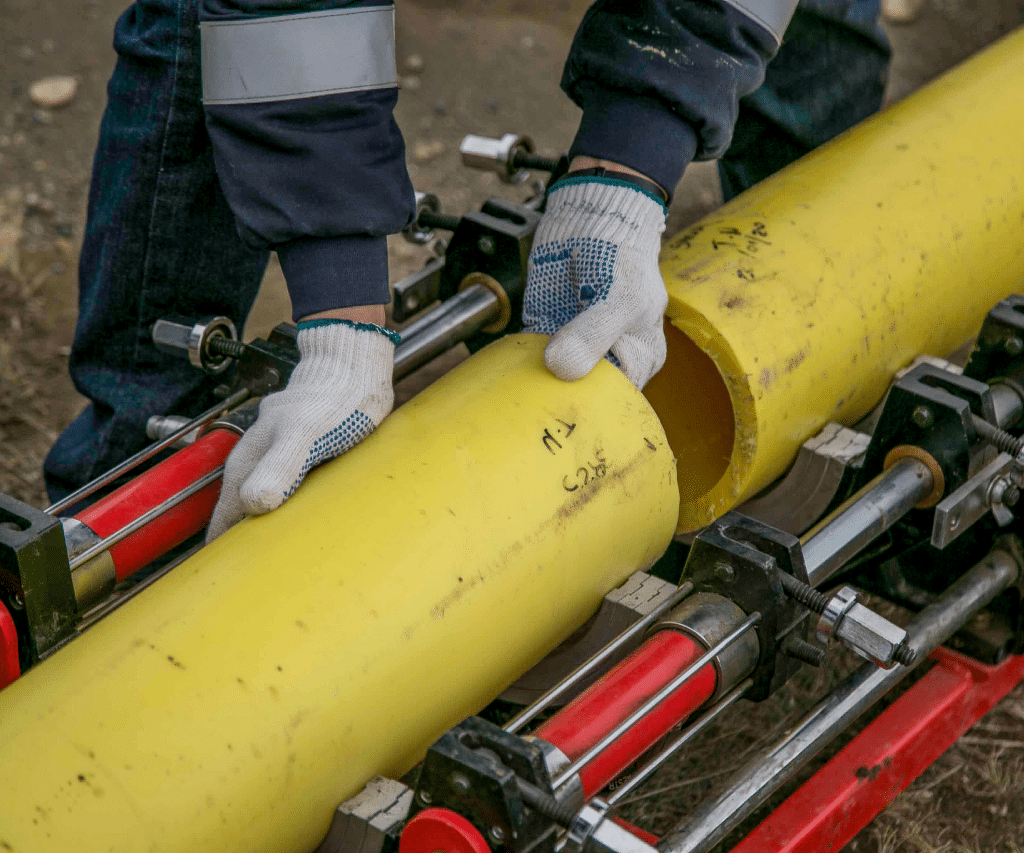
- Good candidate for bursting: Old pipe needs replacement, but the route and soil conditions can support bursting and simultaneously pulling a new pipe.
- May not be a fit: The line is completely collapsed, severely misaligned, or access limitations make staging unsafe or impractical.
- Often needs inspection first: Roots, breaks, and recurring blockage should be confirmed with a camera inspection, so we can choose the right method.
There’s also a responsibility piece that homeowners should know. In Albuquerque, property owners are responsible for the private sewer lateral from the building to the main connection, so keeping your sewer system healthy protects your home and helps reduce strain on the broader sewer system.
If you’ve got plumbing issues like slow drains, backups, or sewer odors, don’t guess. Let a sewer line inspection tell us whether trenchless methods make sense or whether traditional sewer repair is the right call.
What to Expect During a Trenchless Sewer Repair Project
Even “no dig” work involves a process. We still need access points or entry pits, staging for equipment, and a short-term work zone for the crew and the unit doing the repair.
During lining, you may notice temporary odors during curing, along with equipment noise and short access restrictions while the work is underway. Those impacts are typically short-lived, but I want you to plan for them so there are no surprises.
The best trenchless repair experience starts with clear communication. We confirm access, walk you through the repair options, and explain what we’ll do to protect your property while we fix the line.
Schedule Sewer Line Service in Albuquerque
If you’re dealing with sewer line problems, trenchless sewer repair can be a cost-effective solution in the right cases. The trenchless sewer repair benefits most homeowners care about are minimal digging, minimal disruption, and strong results without turning your yard into a long-term construction zone.
If you’re seeing slow drains, constant clogs, suspected root intrusion, or signs of a leaking sewer line, start with an inspection. You can learn more about our drain and sewer services or schedule the service today.
We’ll help you understand whether trenchless sewer replacement, pipe lining, pipe bursting, or another sewer repair path is the right choice for your home. When you’re ready, our plumbers at First Rate Plumbing Heating and Cooling can get you a plan that fits your property and gets your sewer system back to reliable performance.
Frequently Asked Questions
What are the benefits of trenchless sewer repair vs. digging?
Trenchless sewer repair benefits often include less excavation, fewer restoration needs, and reduced disruption to a driveway, yard, and access areas. It still requires entry points and specialized equipment.
How long does trenchless sewer repair take?
It depends on access, pipe condition, and the method. Some jobs take only a couple of days, while others take longer if the line is complex or requires multiple steps.
Is trenchless sewer repair as durable as replacement?
When the line is a good candidate, and the work is installed correctly, trenchless repair can deliver long-lasting solutions. CIPP systems often cite a 50-year design life as a reference point, but results depend on the host pipe and installation quality.
Who is responsible for the sewer lateral in Albuquerque?
Property owners are generally responsible for the private sewer lateral from the building to the main connection.
How do I get in touch with First Rate Plumbing Heating & Cooling?
You can call First Rate Plumbing Heating & Cooling at (505) 859-4329 to speak directly with the office team and schedule service. You can also request an estimate through the contact form on our website, and a team member will follow up to confirm next steps.

