
Dual Fuel vs Heat Pump: Which System Saves More in New Mexico?
New Mexico homeowners often compare a dual fuel vs heat pump setup when upgrading their heating system. Both options rely on modern heat pump technology, which now performs well in cold air and delivers far better energy efficiency than older systems. Heat pumps today can operate in extremely cold temperatures, far below what was possible years ago.
A dual fuel system pairs an electric heat pump with a gas furnace, giving you both heating and cooling in one integrated unit. The heat pump handles most heating needs, and the gas furnace steps in when you want fast, warm air.
In this guide, I’ll explain how each heating system behaves in New Mexico’s climate, discuss cost savings, and help you understand which option delivers better long-term comfort. At First Rate Plumbing Heating and Cooling, we recommend systems based on your home’s needs and proper installation to maximize efficiency.
How Heat Pumps Work in New Mexico’s Climate
A heat pump system works by reversing the same process used in air conditioning. Instead of removing heat from your home, the outdoor unit extracts heat energy from outside air and brings it indoors. Even when outdoor temperatures dip and cold air settles in, modern heat pumps can still pull available heat.
Years ago, heat pumps typically struggled at around 35°F. Today, cold climate heat pumps can operate down to about -15°F. That improvement makes an electric heat pump a much more reliable heating solution for cities across New Mexico, including higher elevations where outdoor temperatures drop quickly.
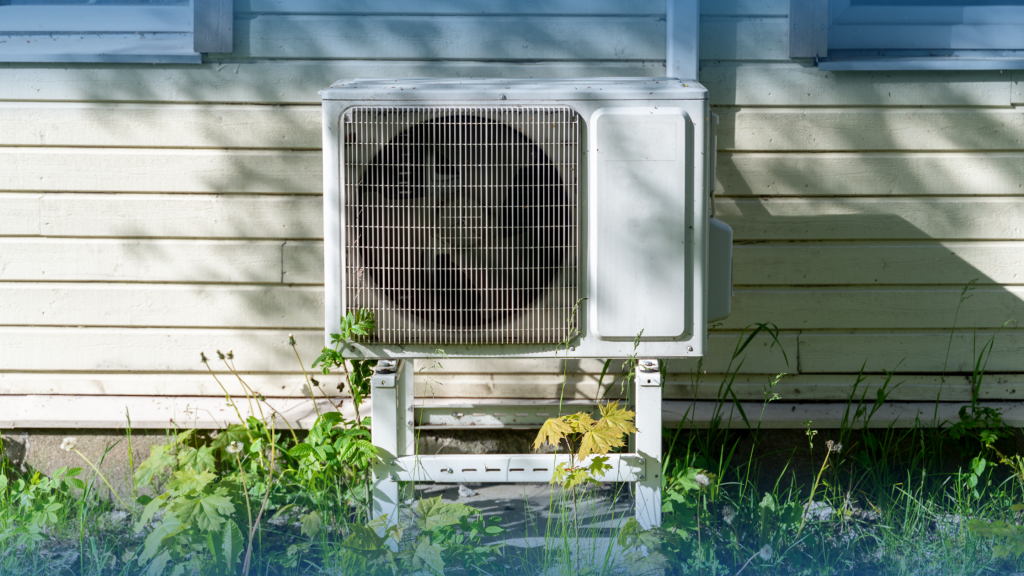
The heat a pump produces is gradual, more like what I call “patient heat.” It takes time to reach the desired temperature, especially if you’ve been gone for hours and return to a cold house. But they use less energy, move heat rather than generate it, and help lower energy bills.
If you want to explore options, we install modern cold-climate heat pumps designed for New Mexico homes.
What Is a Dual Fuel System?
A dual fuel system combines both a heat pump and a gas furnace.
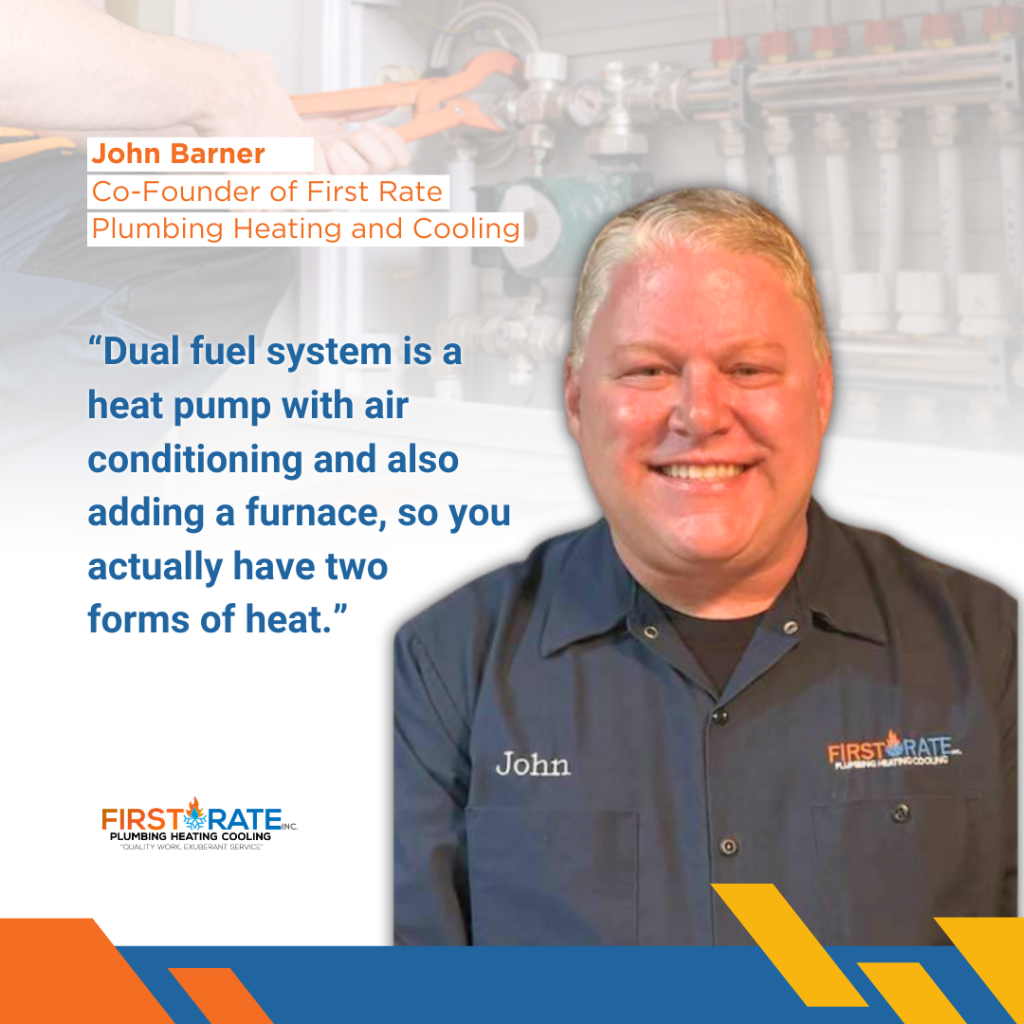
“Dual fuel system is a heat pump with air conditioning and also adding a furnace, so you actually have two forms of heat.” — John Barner, Co-Founder, First Rate Plumbing Heating and Cooling
You get energy-efficient comfort from the electric heat pump during mild-to-cold weather, and you get fast, powerful gas heat when outdoor temperatures dip too low for the heat pump to run efficiently.
Dual fuel heating system setups are ideal for climates with large temperature swings, like New Mexico’s high desert. When the heat pump switches to gas heat automatically, it maintains comfort without relying on electric resistance heating or auxiliary heat. This means you maximize efficiency during most of the heating season and use natural gas only when you need the speed.
If you’re considering such a system, check our page on upgrading to a dual fuel heating system.
Dual Fuel vs Heat Pump: Key Differences That Matter in New Mexico
1. Heating Performance & Comfort
An electric heat pump works by pulling heat from outside air and moving warm air indoors. It is an energy-efficient way to heat your home, but it warms gradually. As I tell homeowners, a heat pump delivers a “patient heat,” which means it may take longer to bring the home back up to temperature after you’ve been away.
A dual fuel heat pump setup changes the experience. You still get efficient heating from the heat pump, but your gas furnace provides fast, powerful heat when the house is cold. Heat pump takes a lot longer. With a dual fuel furnace, you’ll be able to turn that furnace on, get your temperature up in your home fast.
For many homeowners, especially in cold climates or mountain areas, such a system gives the best of both heating and cooling comfort throughout the year.
2. Efficiency in New Mexico’s Temperature Swings
New Mexico’s outdoor temperatures move quickly — warm days and chilly nights. are energy-efficient in most climates, and modern heat pumps maintain efficiency even when temperatures drop. But the colder it gets, the more electricity the heat pump uses to maintain heating mode.
A dual fuel system automatically switches to gas heat when electric heat becomes less efficient. This approach can save money because you avoid running the heat pump during extremely cold temperatures when electricity use increases. You get both heating reliability and energy savings without having to monitor the system manually.
For homeowners seeking lower energy bills and the right heating system in varying conditions, dual fuel often balances performance and cost savings better than a standalone heat pump.
3. Upfront Cost Considerations
When comparing dual fuel vs heat pump systems, cost matters. A dual fuel system typically has a higher installation cost because you’re installing both a heat pump and a gas furnace. That means more equipment, more labor, and more components connected to your existing HVAC system.
A heat pump replacement or new heat pump installation generally costs less upfront because it’s a single-unit solution. The long-term comfort and adaptability can outweigh the initial cost depending on your home’s needs.
Many homeowners compare energy bills, heating costs and the potential for energy savings before deciding. Electric heat pump systems also pair well with solar panels, which can reduce electricity usage significantly.
4. Long-Term Savings Potential
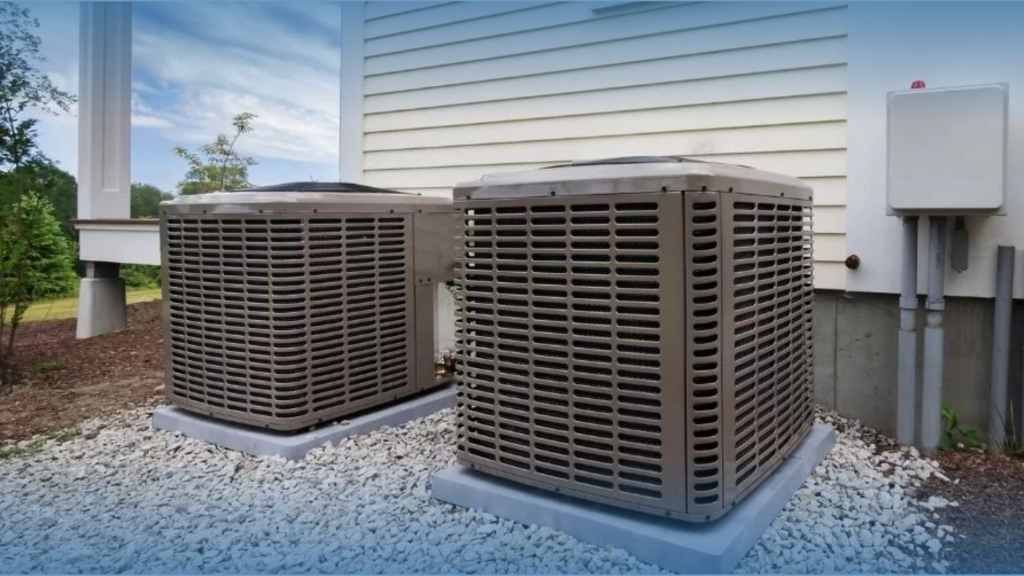
From my experience, the dual fuel system gives many New Mexico homeowners the best long-term value. You’ll save money in the long term. It’s more comfortable for our climate. The heat pump handles efficient heating most of the season, and the gas furnace provides backup heating and faster warm-up times during cold weather.
Standalone heat pumps can also save money, especially when paired with rooftop solar panels.
“You do have to have solar if you want to get into heating your home with just a heat pump.” — John Barner
Without solar, a heat pump running in extreme cold may use more electricity, which raises operating costs.
Dual fuel heat pump systems help maximize efficiency by using electricity when it’s cheapest and natural gas when it provides better performance and comfort.
Our Recommendation for New Mexico Homes
After years of working with homeowners across New Mexico, I usually recommend dual fuel for most homes because of the comfort benefits, performance in outdoor temperature dip scenarios, and long-term reliability. A gas furnace offers a quick boost of heat when you need it, while the electric heat pump handles efficient heating the rest of the time.
If your home already has solar panels or if you prefer all-electric heating, a heat pump alone might make sense. But for the average homeowner wanting consistent warm air in winter, low operating costs, and the ability to handle sudden temperature drops, dual fuel is the system I trust.
If you’re unsure which system is right for you, we can get personalized heating recommendations for your home.
Schedule a Heating Consultation in Albuquerque
New Mexico homes benefit from both options, but selecting the right heating system requires understanding the climate, your energy prices, and your comfort expectations. Heat pumps offer clean energy and lower energy bills, while dual fuel provides faster heating and dependable comfort during colder hours.
At First Rate Plumbing Heating and Cooling, our licensed, background-checked HVAC experts can evaluate your existing HVAC system, check your ductwork, and help plan the proper installation cost and setup. Call (505) 859-4329 or request a heating consultation today to find the right heating and cooling solution for your home.

