
Albuquerque Water Heater Code Requirements: What Homeowners Should Know
Installing a water heater in Albuquerque requires following specific safety regulations and passing a city inspection. While many homeowners think replacing a unit is simple, the new installation must be done correctly and comply with New Mexico’s rules to protect your home and water supply.
Missing required details can lead to failed inspections, hot water issues, repair expenses, or the need to replace equipment sooner than expected.
I talk with people all the time who assume turning a wrench is enough. Sure, anybody can turn a wrench, but it’s just not safe. Your family’s safety depends on the installation being done correctly, and a DIY approach can cause long-term problems.
In this guide, I’ll walk you through three specific Albuquerque water heater code requirements and explain how licensed pros ensure everything meets the code the first time.
Why DIY Water Heater Installs Often Fail Code in Albuquerque
Many DIY installs fail because homeowners underestimate how much planning, testing, and compliance go into the installation.
A water heater involves combustion, gas supply, hot water output, venting, heating elements, and plumbing connections that all must follow code. Without the required permit and without submitting proper installation plans, a DIY project often results in an unsafe system.
People commonly overlook access clearances, spacing around the unit, proper water supply connections, and what inspectors check for during review. The result is a water heater that does not meet city specifications.
I often tell homeowners, “Your family is at your skill level… it’s really not worth the risk.” By the time homeowners call for help, the installation usually needs corrections or complete replacement, adding cost and time to the project.
If you want the installation done correctly, always hire licensed plumbers instead of risking DIY mistakes.
The Three Key Water Heater Code Requirements in Albuquerque
Before the city inspects a new installation, several required components must be in place. These code requirements protect your home, ensure the system operates safely, and help the water heater deliver consistent hot water for years.
1. Proper Venting: Preventing Dangerous Backdrafting
Venting is one of the most important water heater code requirements because it protects the people inside the home. A gas water heater produces combustion gases that must be vented outside. If the vent is installed incorrectly, those gases can re-enter the buildings, especially when the vent pipe is separated, misaligned, or blocked by the surrounding space.
Improper vent design, incorrect slope, wrong vent type, or poor placement can cause backdrafting. That can affect indoor air, heating performance, and safety.
Inspectors check the route, the connections, and whether the vent meets the city requirements for cooling clearance, airflow and proper design. A DIY setup that doesn’t follow specifications is not compliant and fails immediately.
Licensed installers apply code-approved materials, test the vent route, and ensure everything is located and installed according to inspection standards. To understand why proper venting matters, review the carbon monoxide’s impact on indoor air quality.
2. Gas Line Sediment Traps & Proper Placement for Inspection
Gas line sediment traps are required on water heater installations because they protect the burner assembly from debris. They collect particles from the gas line before they enter the unit.
Many homeowners don’t know that sediment traps must be installed in a specific location to meet compliance, and that ignoring this requirement can cause the installation to fail.
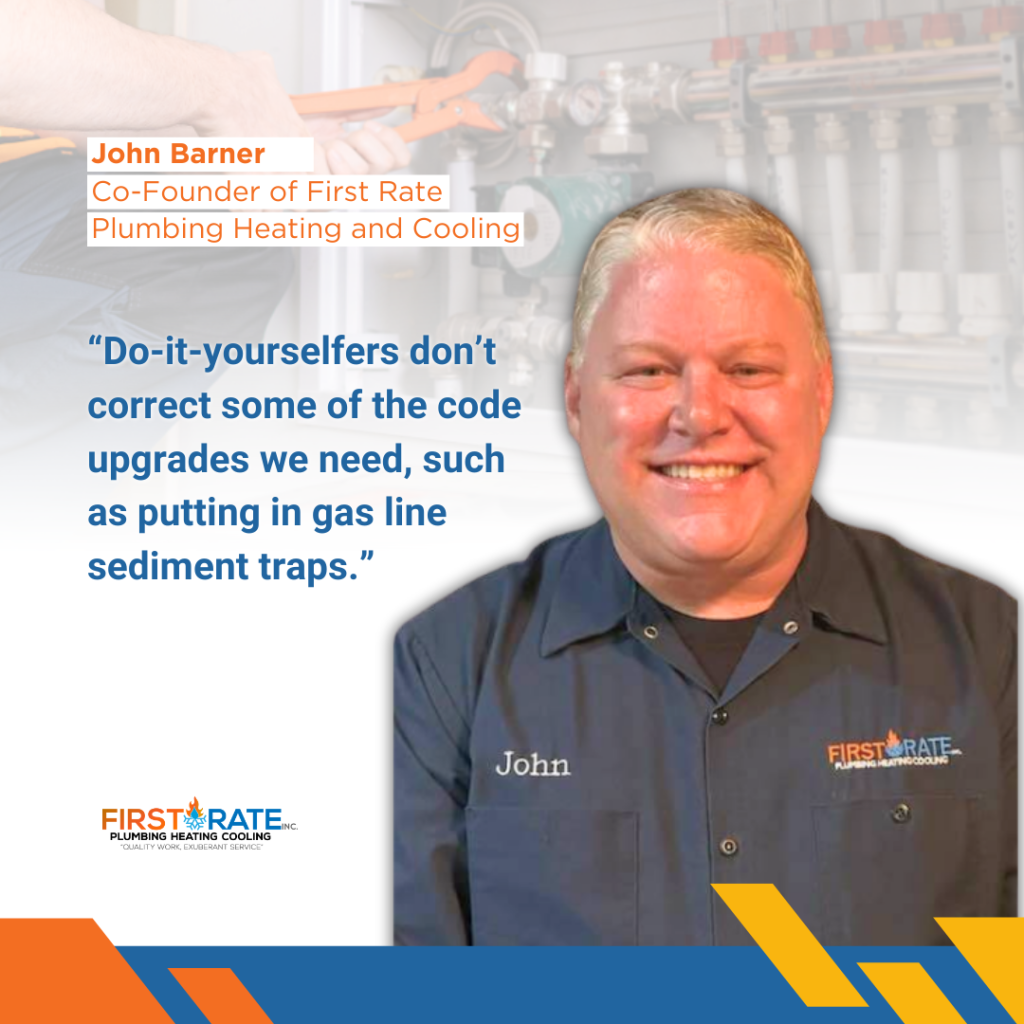
“Do-it-yourselfers don’t correct some of the code upgrades we need, such as putting in gas line sediment traps.” — John Barner, Co-Founder, First Rate Plumbing Heating and Cooling
Placement matters. The trap must be at the right point in the system to stop debris effectively. Sometimes it has to go in a particular place. If it’s not there, it would not pass inspection. Inspectors look for the trap during the review, and if it’s missing, incorrectly located, or installed with the wrong type of fittings, the city cannot approve the installation.
The sediment trap requirement applies to both replacing an old unit and installing a new water heater. It protects the heating components, prevents future repair costs, and keeps the system functioning safely.
3. Thermal Expansion Tanks: Preventing Tank Damage While Producing Hot Water
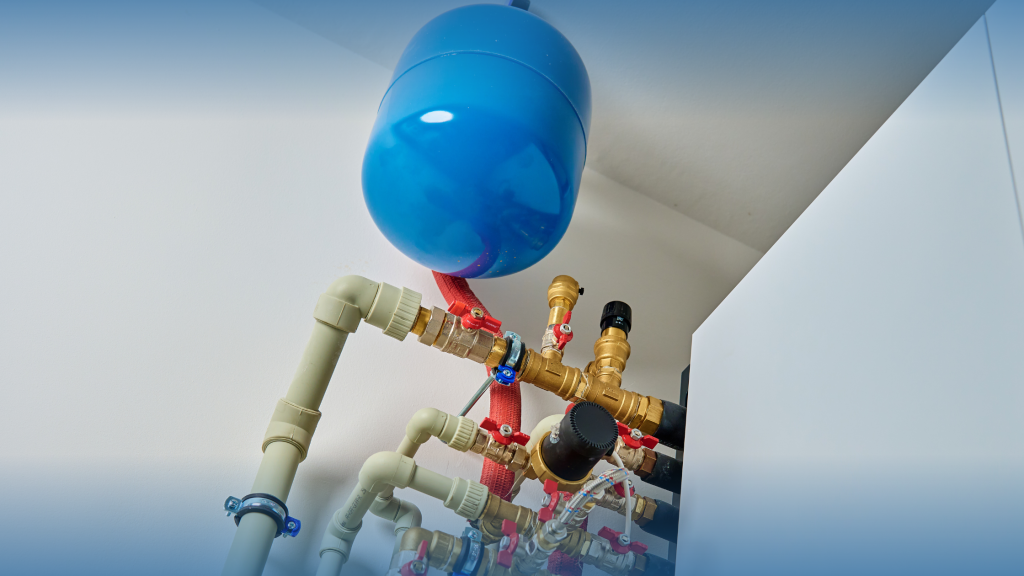
A thermal expansion tank is required on many installations in New Mexico. When water heats, the molecules expand and create pressure in the plumbing system. The expansion tank absorbs that pressure safely. Without one, the main water heater takes the stress.
Over time, this expansion and contraction can crack the tank, damage fixtures, and lead to leaks that require replacing the unit prematurely. Many DIY installers skip the expansion tank because they don’t know how it applies to their plumbing system. But if it’s required and missing, the installation fails inspection immediately.
I’ve seen homeowners spend extra money because skipping this step caused the tank to fail early.
“A do-it-yourselfer may have cost himself double the money.” — John Barner
Licensed installers size the expansion tank correctly, install it at the right connection point, and ensure it meets all city and state requirements.
Why Professional Installation Ensures Compliance & Safety

DIY installations often miss required specifications because homeowners don’t know the detailed rules that apply to gas, venting, plumbing, and safety systems.
A water heater must follow code, meet inspection standards, fit the available space, and be installed with proper access for future maintenance. Licensed professionals handle the design, testing, installation, and permit submission so the city can approve the work.
A correct installation protects your water supply, ensures reliable hot water and keeps the system operating safely. To understand the licensing rules behind these requirements, review the New Mexico rules for licensed plumbing and mechanical work.
Schedule a Code-Compliant Water Heater Install in Albuquerque
If you’re replacing a water heater, understanding these Albuquerque water heater code requirements helps you compare your options and avoid issues that cost more in the long run. Venting, sediment traps, and expansion tanks all play a role in passing inspection.
At First Rate Plumbing Heating and Cooling, we make sure your new water heater is installed correctly, inspected, and ready to serve your home for years. If you need a safe installation that meets New Mexico regulations, call (505) 859-4329 or request a water heater installation today.

