
How to Clean a P-Trap Without Removing It: Safe DIY Methods (and Limits)
A slow drain in your kitchen sink or bathroom sink is a common frustration for Albuquerque homeowners. You may notice standing water, gurgling, or even a bad smell under the sink.
The p-trap under your sink plays an important role in your plumbing system. It prevents sewer gases and odors from entering your house while allowing wastewater to flow through the pipes.
In many cases, you can clean p-trap without removing it using safe DIY methods. This guide explains what works, what does not, and when to stop and call a licensed professional in Albuquerque today.
What Is a P-Trap and Why Does It Get Clogged
How a P-Trap Works
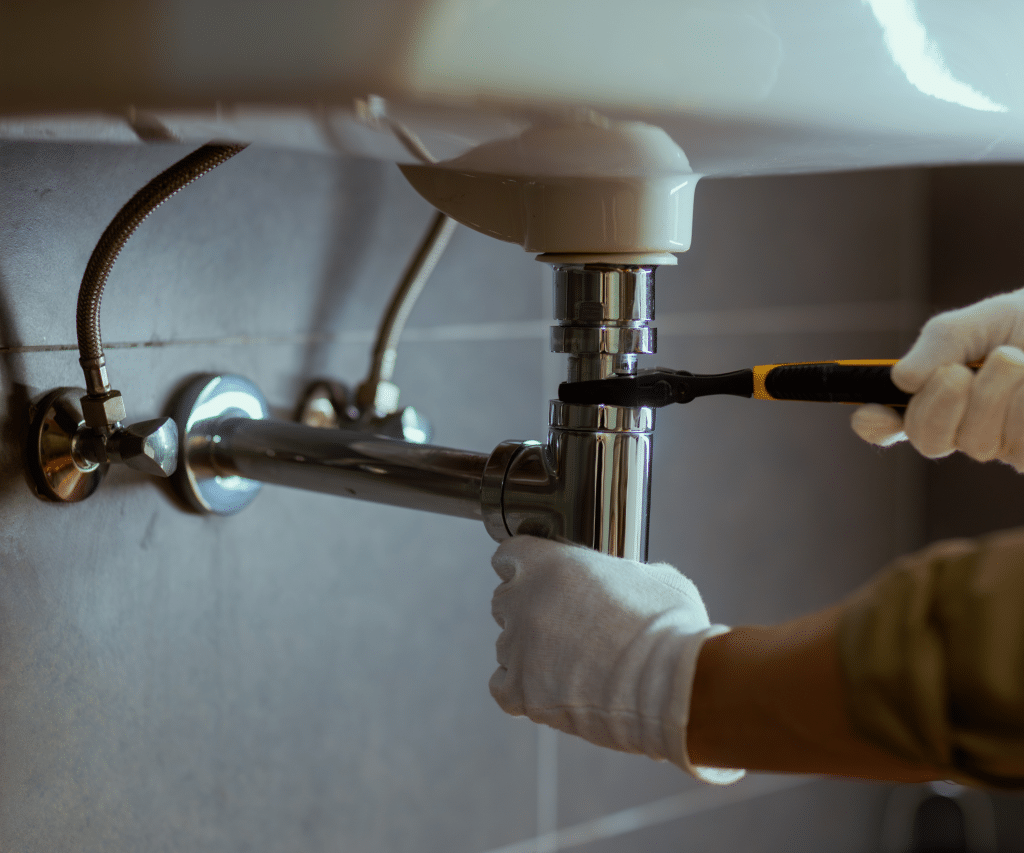
A p-trap is the curved section of pipe beneath your sink drain. It holds a small amount of water at all times, which creates a seal that blocks sewer odors from coming back into your home.
Because of its shape, the trap naturally collects debris. Hair, grease, soap scum, and other materials accumulate there before moving further down the drain.
Common Causes of P-Trap Clogs
In a bathroom, hair, toothpaste residue, and soap scum are common causes of a clogged drain. In a kitchen sink, grease, food particles, and daily routine buildup often lead to a blocked drain.
Albuquerque’s hard water can also leave mineral deposits inside older pipes, which reduces flow and contributes to stubborn clogs. If the buildup continues past the trap, you may need professional drain cleaning to fully resolve the obstruction.
When considering products, review safer options through the EPA Safer Choice Program to better understand how certain chemicals affect pipes and the environment.
Safe Ways to Clean a P-Trap Without Removing It
If you want to clean the p-trap without removing it, begin with the least aggressive methods first. These steps can help restore flow without disassembling the connection under your sink.
Boiling Water Flush (For Grease Buildup)
For kitchen sink issues, carefully pour hot water down the drain in stages. This method can help loosen grease and soft debris that has accumulated in the trap.
It works best on light buildup. It will not completely clear hair or tough clogs.
Baking Soda and Vinegar Method
Pour about half a cup of baking soda into the sink drain, followed by one cup of vinegar. Allow the mixture to sit for 15 to 30 minutes before flushing with hot water.
This method helps break down organic material and soap scum. It is generally safer for pipes than repeated use of chemical drain cleaners or liquid drain cleaner products.
Plunger Method
Place a plunger over the drain opening and block the overflow opening with a damp cloth. Use controlled plunging motions to create pressure that may dislodge the clog.
Plunging can help move a blocked drain through the trap. It is effective for minor obstructions but may not solve stubborn clogs.
Small Drain Snake or Zip Tool
A small drain snake or zip tool can be inserted carefully through the drain. Gently rotate and pull back to remove hair and debris from the trap.
Avoid forcing the tool if you meet resistance. Aggressive snaking can damage older pipes or loosen fittings. If the problem continues, consider a professional plumbing repair evaluation instead of escalating to harsh chemicals.
For safety information about chemical drain cleaners, review guidance from the EPA on safer household cleaning products, especially when dealing with stubborn clogs.
What NOT to Do When Cleaning a P-Trap
Avoid pouring repeated doses of chemical drain cleaners or liquid drain cleaner into your drain. These chemicals can cause corrosion inside metal pipes and weaken plastic fittings.
Never mix different chemical products. Mixing chemicals can create dangerous fumes and increase the risk of water damage or injury.
Do not overtighten the trap fittings if you check the area under the sink. Over-tightening can crack the trap and lead to leaks on the cabinet floor.
If you notice leaks, odors, or overflow after cleaning, stop. Continuing DIY attempts can turn a simple clog into a larger plumbing repair job.
Clear Stop-Points: When DIY Ends, and It’s Time to Call a Pro
Some drain issues go beyond the p-trap. Knowing when to stop protects your property and prevents future clogs.
Repeated Clogs
If the same sink keeps backing up, there may be a buildup deeper in the main drain. Repeated blockages often require professional drain cleaning service tools.
Leaks Under the Sink
Water under the sink or around the trap connection can signal damage. Small drips can quickly lead to cabinet damage and mold concerns.
Multiple Drains Backing Up
If you notice multiple slow drains in your bathroom, shower drain, toilet, or floor drain, the issue may be in the main drain line. This situation requires immediate attention in residential homes.
Persistent Odors
If odors remain even after cleaning, the trap may not be holding water properly, or there may be a deeper blockage in the system.
In these cases, a camera inspection through First Rate Plumbing Heating & Cooling sewer line services can identify hidden blockages. Our licensed, background-checked technicians provide clear explanations and professional drain cleaning, with upfront pricing and dependable workmanship.
Preventing Future Clogs With Regular Maintenance in Albuquerque, New Mexico
Preventing a clogged drain begins with small habits. Use drain screens in your bathroom and kitchen sink to catch hair and debris before they enter the trap.
Avoid pouring grease down the drain. Flush periodically with hot water to reduce buildup.
Routine inspections can help detect developing issues early. Regular maintenance helps protect your plumbing system and reduce the likelihood of stubborn clogs.
Stubborn Clogs in Your Albuquerque Home? Get Professional Service Today
Minor buildup can sometimes be cleared with careful cleaning methods. However, stubborn clogs, repeated blockages, or issues affecting multiple drains often require professional equipment and experience.
First Rate Plumbing Heating & Cooling proudly serves Albuquerque, Rio Rancho, Corrales, Bernalillo, Los Lunas, and surrounding areas in New Mexico. If you are dealing with a slow drain, blocked drain, or concern about your pipes, call (505) 859-4329 or schedule service today.
We stand behind our work and aim to deliver service you can feel confident about long after the repair is complete.
Frequently Asked Questions
Can you clean a P-trap without removing it?
Yes, in many cases you can clean p-trap without removing it by using hot water, a plunger, or a small drain snake. These methods can clear a minor clogged drain caused by hair, soap scum, or grease. If the blockage is deeper in the main drain, you may need professional drain cleaning.
Is baking soda and vinegar safe for drain pipes?
Baking soda and vinegar are generally safer than chemical drain cleaners or liquid drain cleaner products. This method can help break down light debris and improve flow in a slow drain. It works best for small clogs and regular maintenance, not stubborn clogs.
Why does my sink keep clogging after I clear it?
If your sink drain keeps backing up, there may be a buildup farther down the pipes. Repeated blockages can signal an issue in the p-trap or even the main drain line. In these cases, a professional drain cleaning service may be needed to fully resolve the obstruction.
Can chemical drain cleaners damage a P-trap?
Yes, repeated use of chemical drain cleaners can cause corrosion inside metal pipes and weaken plastic trap fittings. Over time, this can lead to leaks, water damage, and more costly plumbing repairs. It is safer to limit chemical use and consider professional solutions for tough clogs.
When should I call a plumber for a clogged sink?
Call a licensed plumbing professional if you notice multiple slow drains, leaks under the sink, or persistent odors. These signs may point to a blocked main drain or a deeper issue that DIY drain cleaning cannot fix. Prompt service helps protect your home and prevent further damage.
How do I schedule service with First Rate Plumbing Heating & Cooling?
You can schedule service by calling (505) 859-4329 or by submitting a request through the online contact form. The office team will help set an appointment that fits your schedule and dispatch a licensed, background-checked technician to your home.

