
Does Forced Air Heating Use Gas? Fuel Options and How to Identify Yours
Many homeowners searching online ask the same question: Does forced air heating use gas? It is a common assumption that a forced air heating system automatically means a gas furnace, but that is not always true.
The term forced air heating describes how warm air moves through your home, not what fuel is used to produce heat.
In Albuquerque and surrounding areas, where winter temperatures drop quickly after sunset, understanding your heating systems helps you make better decisions about energy efficiency, repairs, and upgrades.
If you are unsure what type of system you have, a professional evaluation can give you clear answers. Learn more about your options at First Rate Plumbing Heating & Cooling.
What “Forced Air” Means in a Forced Air Heating System
A forced air system is one of the most common air heating systems in residential homes. Instead of using hot water pipes like radiant heating systems or baseboard heaters, it relies on a blower fan to push heated air through a duct system.
Here is how forced air heating works:
- The thermostat detects a drop in temperature.
- The system signals the unit to produce heat.
- The air handler contains a heat exchanger or heating element.
- The blower fan pushes warm air through ducts and vents.
- Return ducts pull cooler air back to be reheated.
This air-moving cycle allows for even distribution of air throughout the entire home and individual rooms. Because the same ductwork can also carry cooled air, forced air systems often connect to central air conditioning or central AC for heating cooling year round comfort.
According to the DOE – Heat distribution systems resource, forced air heating systems are among the most common air heating solutions in U.S. homes.
Does Forced Air Heating Use Gas?
The short answer is: sometimes.
Many forced air heating systems rely on natural gas and operate as a gas furnace. In these systems, natural gas enters a combustion chamber, creates a blue flame, and the heat exchanger transfers heat to the air before it circulates through ducts.
However, other heating systems that use forced air include:
- Electric furnaces with electric coils as the heating element
- Heat pumps that move heat rather than generate it
- Dual-fuel systems that combine heat pumps and gas
In New Mexico, gas is common because natural gas infrastructure is widely available. But having ducts and vents or a furnace cabinet does not automatically mean you have a gas furnace. Electric furnaces and heat pumps can use the same ductwork and still qualify as a forced air heating system.
If you are considering furnace installation or replacement, learn more about your options with our heating services.
Common Fuel Types in Forced Air Heating Systems
Natural Gas Furnace
A natural gas furnace uses a black cast-iron pipe or flexible metal gas line to bring fuel into the unit. Inside, the combustion chamber ignites gas and produces heat through a heat exchanger.
You may notice:
- A blue flame during operation
- A metal vent or exhaust pipe
- A yellow plastic hose connection for gas shutoff in some installations
Gas furnaces are common in Albuquerque and Rio Rancho homes. They can offer strong heating performance, though energy costs vary depending on fuel pricing.
Electric Furnaces
Electric furnaces rely on heavy-gauge wiring covered in insulation to power electric coils. There is no combustion and no copper pipe or gas connection.
Instead of burning fuel, the heating element uses electricity to generate heated air. These systems are often found in homes without natural gas access. They still use ducts and vents and function as a forced air system.
Heat Pumps and Dual-Fuel Systems
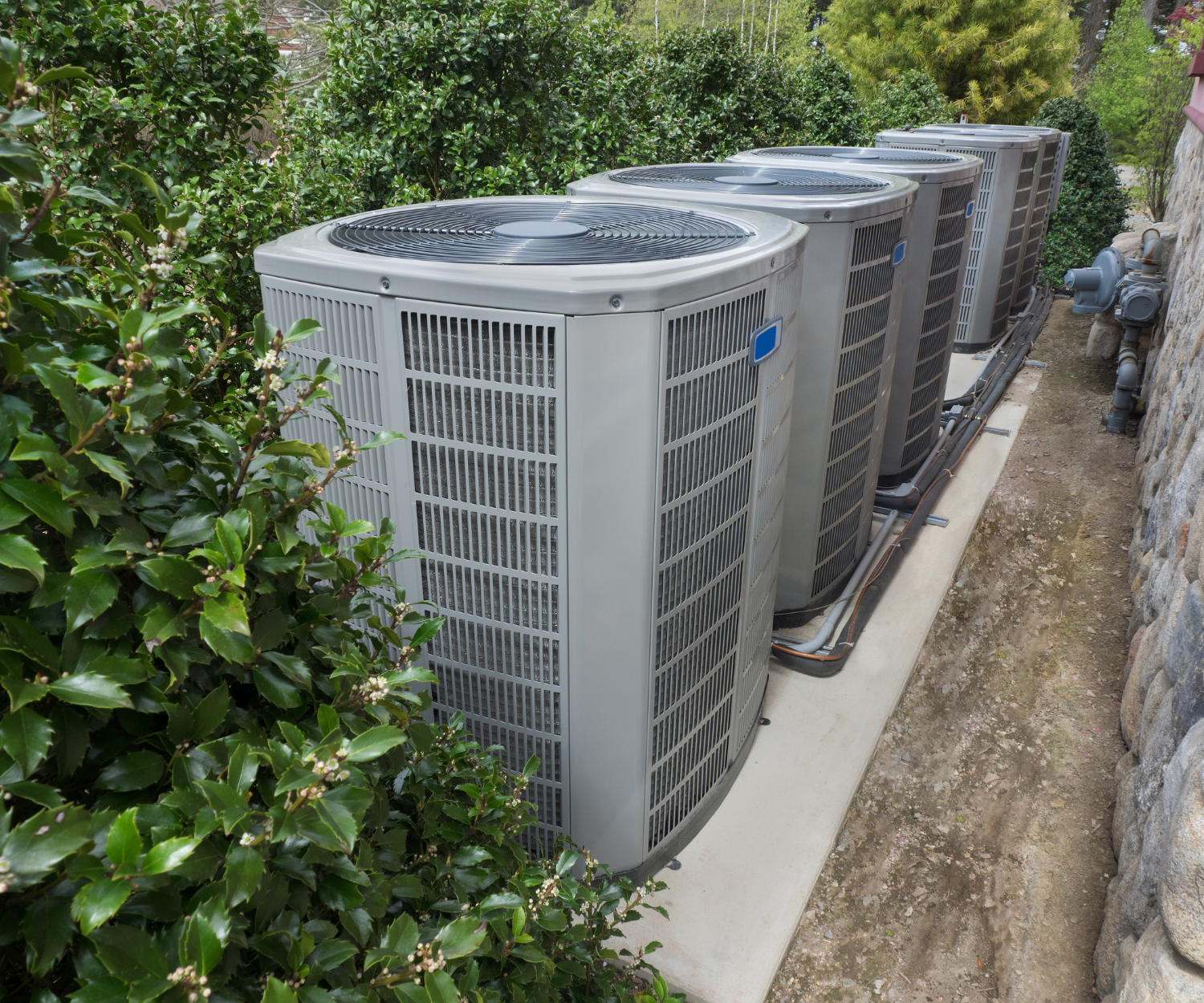
Heat pumps use electricity to move heat from outside air into the living space. Rather than produce heat through combustion, they transfer existing heat, which can improve energy efficiency in moderate climates.
Many homeowners combine heat pumps with a gas furnace in a dual-fuel setup. The heat pump handles mild weather, while the furnace supports colder nights. Heat pumps also connect to air conditioning systems and cooling systems, making them part of a full heating and cooling solution.
How to Identify Your Forced Air System
If you are unsure what type of forced air heating system you have, start with a few simple checks:
- Check for gas connections. Look for a black cast iron pipe, flexible metal gas connector, or yellow plastic hose connection entering the unit. A metal flue pipe or PVC vent may also suggest a gas furnace.
- Review your utility bills. If you pay for natural gas in addition to electricity, you likely have a gas furnace. If your home uses electricity only, your forced air heating may rely on electric furnaces or heat pumps.
- Look for equipment details. Find the model number and manufacturer label inside a small window or on the cabinet exterior. Older systems often list the fuel type clearly.
- Listen during startup. Gas systems typically make a noticeable ignition sound. Electric furnaces and heat pumps operate more quietly.
- Do not open sealed panels. Avoid touching heavy-gauge wiring or internal components.
If you want certainty and peace of mind, schedule a professional heating inspection through our contact page.
Upgrade Paths: Stay with Gas or Switch?
Homeowners consider upgrading their system for several reasons. Aging furnaces, rising energy costs, frequent repairs, or noise concerns can signal it is time to evaluate options.
Upgrade paths may include:
- Replacing an older gas furnace with a high-efficiency model
- Installing a heat pump for improved energy efficiency
- Converting to a dual-fuel system
- Integrating programmable thermostats or smart thermostats for better temperature control
Each home is different. Factors like ductwork condition, indoor air quality goals, air quality concerns, and budget influence the decision.
Radiant heating or baseboard heaters may be alternatives in some remodels, but most homeowners prefer keeping a forced air heating system for consistent comfort across rooms.
Financing is available on qualifying installs, subject to approval. Our team evaluates your system, explains potential drawbacks, and helps you compare long-term heating and cooling performance.
Schedule a Heating System Evaluation in Albuquerque and Surrounding Areas
So, does forced air heating use gas? Sometimes. A forced air heating system describes how air moves through ducts, not whether it runs on gas or electricity.
Understanding your system helps you plan regular maintenance, manage energy costs, and maintain year-round comfort. Whether you rely on a gas furnace, an electric furnace, or a heat pump, professional guidance ensures your heating, cooling, and air conditioning system works as intended.
First Rate Plumbing Heating & Cooling provides licensed, background-checked, NATE-certified technicians backed by our Final Price Guarantee and 100% Satisfaction Guarantee. We proudly serve Albuquerque, Rio Rancho, Corrales, Bernalillo, Los Lunas, Edgewood, and Santa Fe.
Call 505-859-4329, Monday through Friday from 7:30 AM to 5:00 PM, or schedule service online today.
Frequently Asked Questions
Does forced air heating use gas?
Sometimes. Many forced air heating systems use a natural gas furnace to produce heat, but others rely on electricity through electric furnaces or heat pumps. The term “forced air” refers to how heated air is distributed through ducts, not the fuel source.
How can I tell if I have a gas furnace or electric furnace?
Look for a gas line, such as a black cast iron pipe or flexible metal connector, entering the unit, along with an exhaust vent pipe. You can also check your utility bill for natural gas charges. If you are unsure, a professional inspection can safely confirm your system type.
Can a forced air system also provide air conditioning?
Yes. Many forced air systems share the same ductwork with central air conditioning, allowing one system to handle both heating and cooling. This setup supports year-round comfort using the same air distribution system.
Are heat pumps considered forced air systems?
Yes, if they use ducts and a blower fan to distribute warm air or cooled air throughout the home. Heat pumps use electricity to move heat rather than generate it through combustion, but they still qualify as a forced air system when connected to ductwork.
How do I reach First Rate Plumbing Heating & Cooling?
Call 505-859-4329 Monday through Friday from 7:30 AM to 5:00 PM to speak with our office team. You can also schedule service online here. We also offer 24/7 emergency service for urgent heating needs.

