
5 AC Repair DIY Fixes Every Homeowner Should Know
When your air conditioner starts acting up during those sweltering Albuquerque summers, it can feel like an emergency. Your first instinct might be to call a professional immediately, but before you reach for the phone, take a deep breath. Many common AC issues have surprisingly simple solutions that you can handle yourself with just a few minutes and basic tools.
I’m Andrea Griego, and I’ve seen countless homeowners spend unnecessary money on service calls for problems they could have fixed themselves. While some AC repairs definitely require professional expertise, there are five straightforward fixes that most homeowners can tackle on their own.
These AC repair DIY solutions can save you time, money, and the frustration of waiting for a technician during peak summer months.
1. Replace Dirty Air Filters
Poor airflow is one of the most common cooling system complaints, and often the common cause is simpler than you might think. If you have poor airflow throughout your house, you can replace your air filter and see if that improves the airflow.
Dirty filters restrict airflow and make your AC unit work harder, which leads to higher energy costs and can reduce the life of the system.
Replacing an air filter is one of the easiest fixes for homeowners. Locate your air handler or furnace unit and find the filter compartment. Always turn off the power to the unit before you remove the old filter so that dirt and debris don’t get pulled into the line.
Check the size printed on the filter frame and pick up a replacement at a home improvement store or even an auto parts store. Make sure the new filter is installed with the arrows pointing toward the unit.
Most filters need to be replaced every one to three months. Homes with pets, smokers, or people with allergies may need new filters more often. Skipping this step might seem small, but a dirty filter can put extra pressure on your AC system and cause bigger issues down the road.
In many cases, changing your filter is all it takes to restore airflow, improve temperature control, and keep your home cool.
2. Check Your Thermostat for AC Unit Problems

If your cooling system isn’t reaching the temperature you set, the problem might not be the AC unit at all—it could be an electrical problem with your AC affecting performance behind the scenes. Sometimes the thermostat is the culprit. Before you assume you need a repair, check the basics.
First, make sure your thermostat is set to “cool” instead of “heat” or “auto.” It sounds simple, but family members sometimes switch modes by mistake, or a power outage can reset the thermostat to default settings.
Second, check the batteries. Even hardwired models often rely on batteries to save memory during outages. A faulty thermostat with weak or dead batteries can cause your air conditioner to stop running or create erratic temperature control.
Replacing the batteries is an easy fix that costs very little but makes a big difference.
If you change the batteries and the noise persists, or the thermostat still doesn’t respond, it may be a bigger issue with wiring or connectors. At that point, you might need a professional to test and determine whether replacement or repair is needed.
3. Clean the Outdoor Condenser Coils for Better Cooling
When your AC unit isn’t cooling well, the issue often starts outside. Your outdoor condenser is responsible for releasing heat from the system, and when condenser coils are blocked by dirt or debris, the whole system struggles.
Start by turning off power to the unit at both the outdoor disconnect switch and the main electrical panel inside your home. You can go out to the condenser outside and clean any debris around that outdoor coil. Remove leaves, weeds, and trash from around the condenser.
Use a garden hose or compressed air to blow dirt off the condenser coils. Work from the inside out, top to bottom, with gentle pressure. Avoid high-pressure water, which can bend the fins.
If you notice dirty evaporator coils inside, you may need a vacuum pump or special coil cleaner. In many cases, cleaning these coils restores airflow and helps your air conditioner run more efficiently.
Keep at least two feet of clearance around the condenser. Trim shrubs, cut grass, and move outdoor furniture or objects that block airflow. This simple process can extend the life of your cooling system and save money on energy bills.
4. Reset a Tripped Circuit Breaker on Your Air Conditioner
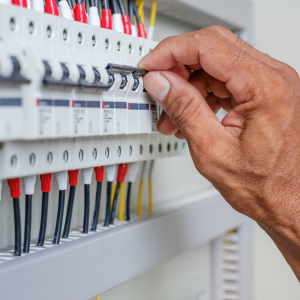 Nothing feels worse than an AC unit that won’t turn on, but sometimes the fix is as simple as checking the breaker. Air conditioners pull a lot of power, especially when the compressor kicks on. A tripped circuit breaker is a common cause for a system not starting.
Go to your main electrical panel and look for the breaker labeled “AC” or “HVAC.” A tripped breaker usually sits halfway between on and off. Push it firmly to “off,” then back to “on.” You should feel it click into place. Test the system to see if the air conditioner starts running again.
If the breaker trips immediately or repeatedly, stop trying. Repeated trips can point to low refrigerant levels, wiring issues, or a blown fuse. In some cases, a faulty capacitor or compressor motor could be the problem.
These aren’t DIY fixes — continuing to reset the breaker could cause damage or even a fire hazard. That’s when calling a professional becomes a big deal.
5. Unblock Air Vents to Improve Airflow and Temperature
Uneven temperature from room to room is another common frustration. Sometimes homeowners think their system is failing when the real problem is blocked vents.
Walk through your home and check that all vents are open and clear. Furniture, rugs, and curtains can block supply vents, while dust and dirt can clog return vents.
When vents are blocked, airflow is disrupted, and pressure builds up in the system. That added pressure makes the AC work harder, raising energy costs and reducing comfort.
Vacuum dust from the vents, straighten bent fins, and make sure return vents have plenty of clearance. If the noise persists or the air still feels weak, there may be a leak in the ductwork or low side pressure in the refrigerant line.
These aren’t always DIY repairs, but keeping vents clear is an easy fix that prevents bigger issues.
When to Call a Professional for AC Repairs
DIY AC repairs can solve a surprising number of issues, but they can’t handle everything. Low refrigerant levels, refrigerant leaks, or problems with the Schrader valve and O-rings require specialized tools like a vacuum pump, pressure gauges, and knowledge of refrigerant handling. Attempting these without training can damage your system and void warranties.
The same goes for electrical issues. If you’ve checked breakers and wiring but the unit still won’t run, the problem could be a capacitor, connectors, or the compressor motor.
These repairs involve testing with tools most homeowners don’t own. In many cases, it’s safer and cheaper in the long run to hire a professional who can determine the exact problem.
First Rate Plumbing Heating & Cooling has the expertise to handle any air conditioning repair. Whether it’s replacing a faulty thermostat, testing refrigerant levels, repairing dirty coils, or fixing wiring, our technicians are trained to get your air conditioner running again quickly.
Professional service ensures your cooling system is safe, efficient, and ready to handle the New Mexico heat.
Keep Your Cooling System Running Smoothly
These five AC repair DIY tips prove that not every air conditioning issue is a big deal. Replacing dirty filters, checking your thermostat, cleaning condenser coils, resetting a tripped breaker, and unblocking vents are all easy fixes that save money and prevent stress.
Still, not every issue is simple. Low refrigerant levels, leaks, or a failing compressor are common causes of breakdowns that require a professional touch.
Regular maintenance, like filter replacement, coil cleaning, and annual inspections, is the best way to keep your AC unit efficient and extend its life.
Expert AC Service in Albuquerque You Can Trust
When DIY efforts don’t solve the problem, don’t hesitate to call in the experts. Reliable repair, maintenance, and installation services make all the difference when your cooling system needs more than a quick fix.
Our process is straightforward, our technicians are trained, and our goal is to keep your home cool without unnecessary costs. Don’t let the summer heat win. With these tips, you can handle the basics yourself and know when it’s time to call for professional repair.
That combination of DIY and expert service will keep your air conditioner running smoothly and your family comfortable all season long. For dependable service you can trust, reach out to First Rate Plumbing Heating & Cooling today and request an estimate to get started.

