
Water Softener vs. Water Conditioner: What’s the Difference?
If hard water is causing scale buildup, fixture spotting, and mineral deposits around your home, you may be comparing a water softener vs conditioner to find the right solution. While the terms are often used interchangeably, they are not the same thing.
A traditional water softener removes hardness minerals like calcium and magnesium from hard water. A water conditioner, on the other hand, typically focuses on water conditioning and scale control without actually removing those minerals.
Understanding this distinction can make a huge difference when choosing the right water treatment system for your New Mexico home.
This guide explains what each system does, what it doesn't do, and how to compare your options before making a decision.
What a Traditional Water Softener Does Using the Ion Exchange Process
A traditional water softener is designed specifically for water softening. It works through a process called ion exchange, which removes calcium and magnesium ions from the water supply before the water flows throughout the home.
According to the US Environmental Protection Agency (EPA), the ion exchange process replaces hardness minerals with sodium ions or potassium chloride ions.
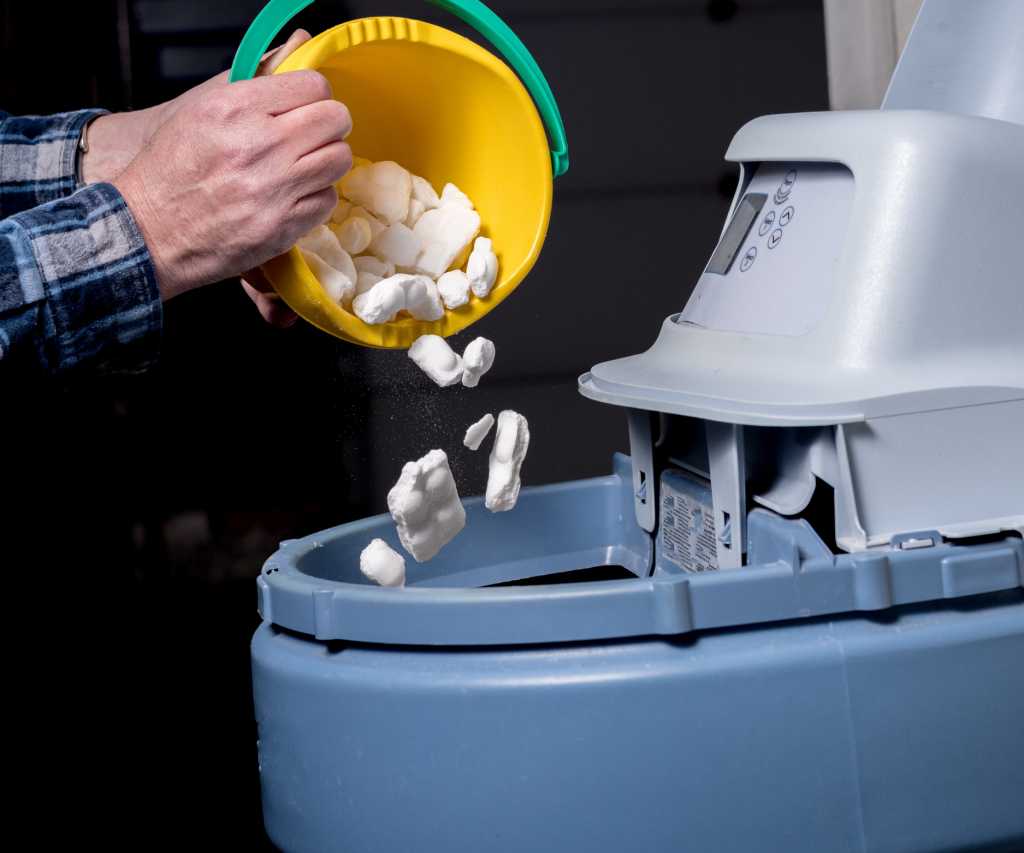
Inside the water softener system, resin beads attract and capture calcium and magnesium ions while releasing sodium ions into the water. Over time, the resin bed is cleaned during a regeneration cycle using salt or potassium chloride stored in a brine tank.
The result is softened water, often referred to as soft water. Homeowners frequently notice:
- Less scale buildup and limescale buildup
- Reduced soap scum
- Better soap lather
- Fewer spots on dishes and fixtures
- Less mineral buildup on water heaters and other water-using appliances
A water softener is not a drinking water filter. It is not designed to remove volatile organic compounds, forever chemicals, bacteria, or every possible contaminant. Other water treatment technologies, such as reverse osmosis or water filters, may be needed depending on your water quality goals.
Homeowners in New Mexico often notice heavy mineral deposits around shower heads, faucets, and water heater connections. In these situations, actual hardness reduction through ion exchange may be more effective than scale management alone.
Learn more about how cation exchange water softeners work from the EPA. You can also review NSF/ANSI 44 certification requirements for residential water softeners when comparing equipment.
What a Water Conditioner Does: Understanding Salt-Free Water Conditioners
The term water conditioner is much broader than water softener. A water conditioner may refer to several types of water treatment systems designed to address different water quality concerns.
For this comparison, we're focusing on salt-free water conditioners and scale-control technologies. Unlike softeners, these systems generally do not remove minerals such as calcium and magnesium. Instead, they attempt to influence how minerals behave in the water.
Many salt-free systems use technologies such as crystallization. These systems may help reduce scale formation by changing how hardness-causing minerals interact with surfaces. Unlike softeners, the minerals remain in the water.
Homeowners may notice:
- Less hard scale sticking to fixtures
- Lower maintenance compared with many salt-based water softeners
- No slippery feeling that some people associate with soft water
- Reduced salt use and no salt discharge
However, results depend heavily on water chemistry, mineral content, total dissolved solids, and the specific technology installed. A salt-free water softener is often marketed as a softener, but most systems do not actually soften water by removing minerals.
Salt-free water conditioners may not improve soap lather, reduce soap scum, or address severe hard water symptoms as effectively as a true water softener system.
For homeowners primarily concerned about fixture spotting and scale buildup, a conditioner may be worth considering. For households struggling with hard minerals, appliance buildup, and cleaning issues, a traditional softener may offer more noticeable benefits.
If you're comparing treatment technologies, NSF's guide to certified drinking water treatment units and what certifications mean can help explain how various systems are tested and evaluated.
Water Softener vs Conditioner: The Key Differences
Before choosing between a water softener and a water conditioner, it helps to understand how each system treats hard water and what that means for everyday comfort, cleaning, and plumbing protection.
Hard Water and Hardness Mineral Removal
The most important difference in the water softener vs conditioner comparison is hardness reduction.
A water softener removes calcium and magnesium through ion exchange. These hardness minerals are physically removed from the water before it enters the home's plumbing system.
A water conditioner generally does not remove minerals. Instead, it may alter how minerals behave while leaving calcium and magnesium present in the water.
This distinction affects soap performance, scale control, cleaning effectiveness, and overall water feel. If your goal is truly softened water, you'll need a system designed and certified for hardness reduction.
Scale Control With Salt-Free Water and Salt-Based Water Softeners
Both systems may help reduce scale symptoms, but they work differently.
Water softeners reduce scale buildup by removing the minerals responsible for creating mineral deposits in the first place. Water conditioners may help reduce scale formation by changing how minerals attach to surfaces.
It's important not to overpromise results. Water conditioning systems may help reduce scale formation, but performance depends on the chemical composition of the water and the technology being used.
The U.S. Geological Survey notes that hard water can contribute to scale deposits that affect plumbing systems and appliances over time.
Soap, Laundry, and Cleaning Performance
Because a water softener removes hardness minerals, homeowners often notice better soap lather, less soap scum, and cleaner fixtures.
Conditioned water may still behave similarly to hard water because calcium and magnesium remain present. Laundry, dishwashing, and bathing results may not change as dramatically.
If your biggest frustrations involve soap scum, dry skin, stiff laundry, or poor cleaning performance, this can be an important factor when choosing the right system.
Maintenance Requirements and the Brine Tank
Maintenance is another area where the differences become clear.
Most salt-based systems require periodic salt refills, regeneration settings, and ongoing monitoring. The brine tank must be maintained properly to ensure efficient operation.
Conditioners are often marketed as lower-maintenance alternatives. However, they are not maintenance-free. Depending on the equipment, media replacement, inspections, or filter changes may still be required.
Before selecting any water treatment system, homeowners should understand the long-term maintenance requirements, not just the upfront installation.
Best-Fit Scenarios for Choosing the Right Water Treatment System
A water softener may be the better choice when:
- You want actual hardness reduction
- You have severe scale buildup
- You notice soap scum and poor lather
- You want to protect water heaters and appliances from hard water minerals
A conditioner may be worth considering when:
- Scale reduction is the primary concern
- You prefer a lower maintenance approach
- You want a salt-free alternative
- You understand that minerals may remain in the water
The right water treatment system depends on several factors, including water hardness, total dissolved solids, water test results, appliance concerns, and household preferences.
Before investing in equipment, it's helpful to schedule a water quality evaluation.
You can also learn more about how hard water affects water heaters in Albuquerque.
Get the Right Water Treatment Fit for Your Home
When comparing a water softener vs conditioner, the key distinction is simple. Water softeners remove calcium and magnesium hardness minerals through ion exchange. Water conditioners focus more on scale control and may not actually soften the water.
Neither solution is automatically better for every household. The best choice depends on your water test results, water supply characteristics, maintenance preferences, and overall treatment goals.
If you're unsure whether your home needs a water softener, conditioner, reverse osmosis system, filtered water solution, or another form of water treatment, First Rate Plumbing Heating & Cooling can help evaluate your options. We provide customized water treatment solutions, installation, repair, replacement, and maintenance services throughout New Mexico.
Learn more about home water treatment systems in New Mexico or request an estimate or schedule service online.
Frequently Asked Questions
Is a water conditioner the same as a water softener?
No. A water softener removes hardness minerals through ion exchange, while many conditioners focus on scale control without removing those minerals.
Will a water conditioner make soap lather better?
Usually not to the same extent as a true softener because calcium and magnesium remain in the water.
Do water softeners remove contaminants?
Not typically. Water softening systems are designed to reduce hardness, not serve as complete drinking water treatment systems.
Which is better for New Mexico hard water?
That depends on your water hardness, mineral content, appliance concerns, and maintenance preferences. Testing is the best place to start.
Should I test my water before choosing a system?
Yes. A water test helps identify hardness levels, total dissolved solids, taste and odor concerns, chlorine levels, and other factors that influence the right water treatment solution.

