
How Hard Water Affects Water Heaters in Albuquerque
Albuquerque and surrounding New Mexico communities are known for having some of the hardest water in the state. Hard water quietly damages water heaters over time, whether you have a traditional tank or tankless water heater. These minerals reduce water heater efficiency, increase energy costs, and shorten the system’s lifespan.
As a trusted expert in water heater service, flushing, and whole-home water treatment, First Rate Plumbing Heating and Cooling helps Albuquerque homes preserve performance and extend the life of their hot water heater systems.
In this guide, I’ll explain how hard water affects water heaters, the warning signs of hard water damage and how homeowners can protect their plumbing system with preventative maintenance and proper water treatment.
Why Albuquerque Has Hard Water
Hard water is defined by high levels of calcium, magnesium, and total dissolved solids (TDS). These hardness minerals come from our local groundwater sources, which naturally carry higher mineral content due to New Mexico’s geology and mineral-rich water formations.
As water travels through rock and soil, it absorbs calcium and magnesium that enter your home’s water supply.
Most Albuquerque homes, as well as homes in Rio Rancho, Los Lunas, and surrounding areas, rely on groundwater that contains these hardness minerals. This leads to soap scum, scale buildup on plumbing fixtures, and excessive wear on appliances. Hard water problems also affect faucets, sinks, and drain components throughout the home.
To see national water hardness data, visit the USGS Hard Water Map.
How Hard Water Damages Water Heaters in Albuquerque
Hard water affects water heater performance, water flow, efficiency, and reliability. Sediment buildup, mineral deposits, and heat transfer issues develop faster in Albuquerque homes because the water quality includes high TDS. Below are the most common ways mineral-rich water impacts your water heater.
1. Mineral Buildup Inside the Tank
Total dissolved solids settle at the bottom of the tank during heating cycles. Over time, these minerals solidify into thick layers of sediment that coat the bottom of the tank. This sediment buildup forces the tank to work harder because heating elements must heat through layers of hardened minerals before heating the water above.
This buildup reduces water heater efficiency and slows heating performance. It can even cause hot spots that overheat the tank bottom. Mineral buildup in Albuquerque homes develops faster because the water supply consistently carries high mineral content year-round. Over time, calcium carbonate deposits form thick layers that disrupt normal heating cycles.
Sediment causes water heaters to operate louder, run longer, and use more energy. Without preventative maintenance, sediment can lead to expensive repairs or complete tank replacement.
2. Reduced Efficiency and Higher Energy Bills
When sediment builds up, water heaters lose efficiency because they must heat through mineral layers before producing hot water. These minerals absorb heat and force the system to work harder. This reduces overall efficiency and leads to wasted energy.
Mineral buildup affects both gas and electric water heaters. Heating elements or burners must run longer to reach the set temperature, causing increased energy costs. Albuquerque homeowners often report higher utility bills even when usage remains the same. That is a direct sign of scale buildup, reduced heat transfer, and struggling heating elements.
“Water heaters will tend to have to heat through all that sediment before they can heat the water… It makes it hard on your monthly bills.” — John Barner, Co-Founder, First Rate Plumbing Heating and Cooling

3. Shortened Water Heater Lifespan
Sediment buildup also shortens the water heater’s lifespan. Over time, overheated tank bottoms corrode, leading to rust damage that eventually causes leaks. Mineral-rich water increases corrosion because the high temperature changes create stress on the metal.
Rust forms when heat and moisture occur in the same place repeatedly. This creates weak points in the tank’s internal lining. Albuquerque’s hard water speeds up this process, especially in homes with older tanks or inconsistent flushing schedules. Once the tank begins to rust, it becomes vulnerable to leaks that require professional installation of a new system.
Tank heaters in hard-water areas often last only 8–12 years, compared to 12–15 years in soft water regions. Routine maintenance helps prevent this early wear and preserves your water heater’s performance.
Warning Signs Your Water Heater Has Hard Water Damage
Hard water damage creates several noticeable symptoms long before a tank leaks or fails. Homeowners in Albuquerque, Rio Rancho, and similar areas often experience these issues due to persistent hardness minerals in the water.
Common warning signs include:
- Popping or banging noises during heating cycles are caused by water trapped beneath sediment.
- Slow or inconsistent hot water output due to restricted water flow.
- Water is cloudy or slightly tinted from disturbed mineral deposits.
- Rising energy bills from reduced efficiency and heat transfer.
These symptoms may indicate scale buildup, sediment accumulation, or developing leaks.
If you suspect hard water damage, our team can inspect your system for sediment-related leaks before they worsen.
How to Prevent Hard Water Damage in Your Home
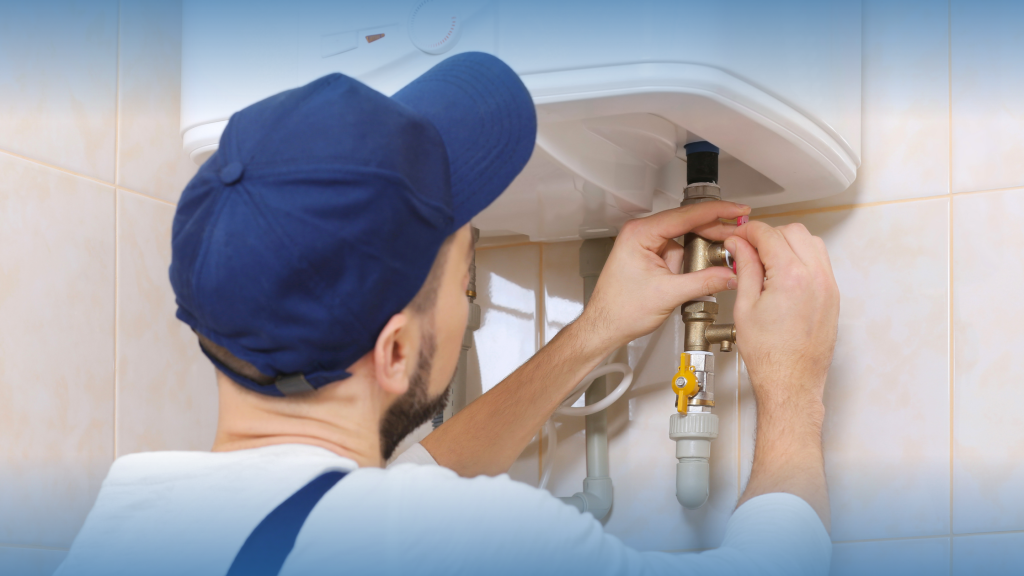
Preventing hard water damage starts with a combination of annual flushing and whole-home water treatment. Because Albuquerque’s water hardness levels are consistently high, preventative maintenance is essential. Flushing your tank removes sediment before it solidifies and improves water heater efficiency.
Water softeners, whole-home filters, and conditioning systems protect appliances and plumbing fixtures by removing hard minerals. These solutions reduce scale buildup, improve water quality, and extend your water heater’s lifespan. Homeowners benefit from improved efficiency, reduced energy costs, and better performance from both tank and tankless water heaters.
Explore how to install whole-home water softening or filtration for long-term protection.
Schedule a Water Heater Inspection or Flush in Albuquerque
Albuquerque’s hard water affects every type of water heater, from traditional tanks to tankless water heaters.
A professional flush or inspection restores efficiency, improves hot water performance, and prevents costly failures. Our licensed and background-checked team provides professional installation, maintenance, and water treatment recommendations tailored to your home’s water supply.
If you’ve noticed popping noises, cloudy water, or inconsistent hot water, it’s time to schedule service. Call (505) 859-4329 or request a water heater inspection today to protect your system and improve water heater performance.

