
A pressure-reducing valve plays an important role in protecting your home’s plumbing system from excessive water pressure. Also called a water pressure reducing valve, this component helps regulate the pressure of water flowing into your home from the municipal supply line.
Without proper pressure-reducing controls in place, high pressure can place extra force on pipes, plumbing fixtures, faucets, water heaters, and appliances. Over time, that stress may lead to leaks, fixture damage, and costly plumbing repairs.
Many homeowners do not realize there is a problem until symptoms start affecting everyday water use. Understanding how a reducing valve works and recognizing the warning signs of failure can help prevent bigger plumbing issues later.
How Does a Pressure Reducing Valve Work?
A pressure-reducing valve is designed to regulate incoming water pressure before water enters your home’s plumbing system. The valve reduces downstream pressure to a safer operating level for residential plumbing fixtures and appliances.
Most systems use a spring and diaphragm mechanism that automatically adjusts pressure depending on household demand and water flow. When water is flowing through the pipe, the valve controls pressure to help maintain a consistent and safe level throughout the home.
For example, when a faucet is opened or a shower is turned on, the water pressure reducing valve responds to changing flow demands while continuing to regulate downstream pressure.
According to Rainbow Municipal Water District, pressure-reducing valves help provide lower, more consistent water pressure throughout the home while protecting plumbing fixtures and appliances from excessive pressure.
Many modern valves, including some Apollo Valves models, are designed for long-term residential and commercial performance. Today’s lead-free models also help homeowners meet current plumbing standards and health-related requirements.
A properly installed pressure-reducing valve can help:
- Protect plumbing fixtures
- Reduce pipe stress
- Improve operating efficiency
- Support long-term plumbing system performance
- Prevent unnecessary water damage
Below are some of the most common reasons homeowners experience water pressure problems, fixture damage, and plumbing system stress. If these issues continue, it may be time to have your system inspected by professionals who provide plumbing services to identify the cause and recommend the best long-term solution.
3 Common Signs Your Water Pressure Reducing Valve Is Failing
Like any plumbing component, a reducing valve will eventually wear out over time. In some cases, homeowners may notice problems gradually. In other cases, symptoms can start suddenly.
Some of the most common warning signs include:
1. Fluctuating Water Pressure
One of the clearest signs of PRV trouble is inconsistent water pressure throughout the home. Water may feel extremely strong one moment and weak the next.
This can happen when the valve can no longer properly regulate pressure inside the system.
2. Banging or Vibrating Pipes
Excessive pressure may create loud noises when fixtures are opened or closed. You may hear banging pipes, vibrating pipe sounds, and sudden pressure surges.
These symptoms often indicate the pressure-reducing valve is no longer operating correctly.
3. Dripping Faucets and Fixture Damage
High water pressure places extra force on plumbing fixtures, which can cause:
- Dripping faucets
- Running toilets
- Premature fixture wear
- Appliance strain
Over time, excessive pressure may continue causing damage throughout the plumbing system.
What Causes Pressure Reducing Valves to Fail?
Several factors can affect the lifespan of a water pressure-reducing valve.
Normal Wear and Tear
Most PRVs operate continuously every day. Over time, internal components like the diaphragm and spring may wear down from regular use.
Mineral Buildup
Hard water minerals[2] can collect inside the valve and affect water flow or pressure regulation. Depending on water quality, buildup may shorten the lifespan of the valve.
Excessive Municipal Water Pressure
Some homes receive very high incoming pressure from the city water supply. This places additional strain on the reducing valve and may increase the likelihood of early replacement.
In some areas, homes located near pumping facilities or lower elevation points may experience water pressure above 80 psi, which is one reason licensed plumbers often recommend installing a pressure-reducing valve to help protect the plumbing system.
Aging Plumbing Systems
Older plumbing systems sometimes experience more pressure-related issues due to aging pipes, outdated fixtures, or worn plumbing components.
How Professional Plumbers Diagnose and Replace a Pressure-Reducing Valve
Professional plumbers use specialized tools to test household water pressure and inspect the plumbing system.
During an inspection, a technician may:
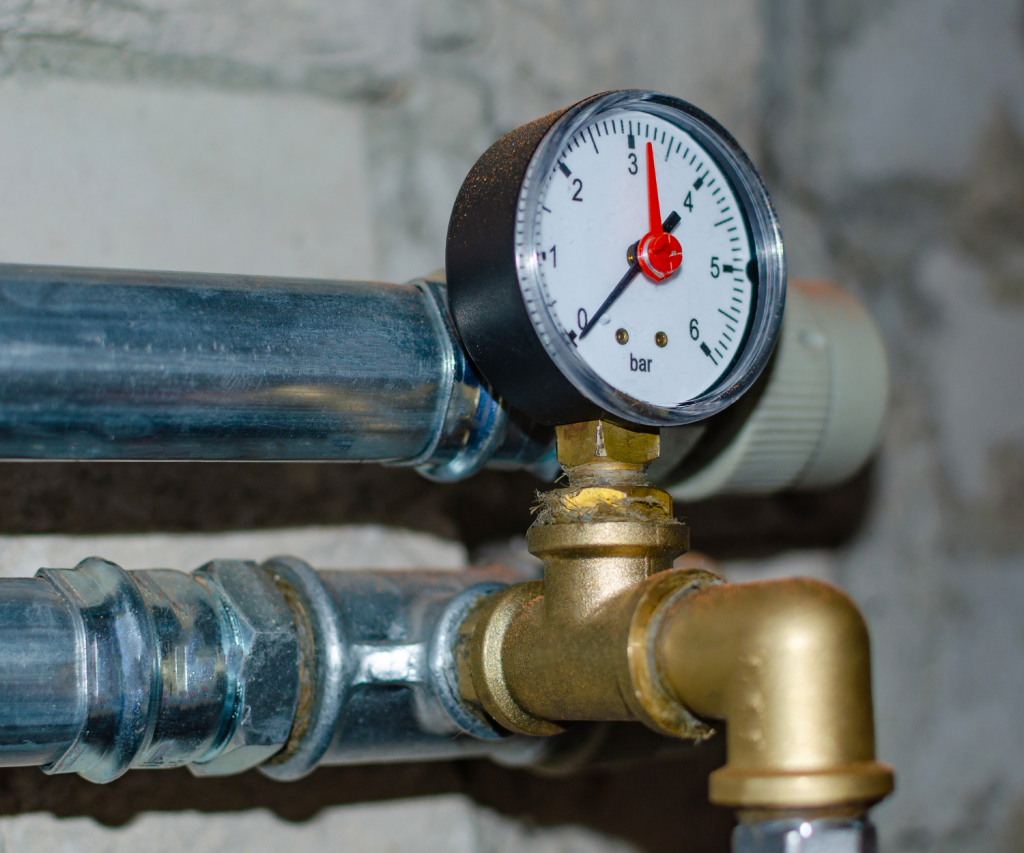
- Check pressure levels with a pressure meter
- Inspect the reducing valve for wear
- Evaluate fixture performance
- Check for pipe stress or hidden leaks
Depending on the condition of the valve, the plumber may recommend adjustment, repair, or complete replacement.
Protect Your Plumbing System With a Professional PRV Service
A properly operating pressure-reducing valve helps protect your home’s plumbing system from excessive water pressure, leaks, and long-term fixture damage. Ignoring warning signs can lead to bigger plumbing repairs, higher water usage, and unnecessary stress on your system.
If you notice fluctuating pressure, pipe noises, or fixture problems, First Rate Plumbing Heating & Cooling can help. Our experienced plumbing team provides professional inspections, valve replacement services, and honest recommendations designed to keep your plumbing system operating safely and efficiently.
Call (505) 859-4329 today to schedule service or request an estimate.
Frequently Asked Questions
What does a pressure-reducing valve do?
A pressure-reducing valve regulates incoming water pressure to help protect pipes, plumbing fixtures, and appliances from excessive force and pressure-related damage.
How do I know if my home has high water pressure?
Common signs include banging pipes, dripping faucets, fluctuating pressure, appliance issues, and running toilets.
Can high water pressure damage plumbing fixtures?
Yes. Excessive pressure can damage pipes, fixtures, water heaters, and other plumbing components over time.
How long does a water pressure-reducing valve last?
The lifespan depends on water quality, pressure levels, and system usage. In many cases, PRVs may last several years before replacement becomes necessary.
Should a pressure-reducing valve be repaired or replaced?
That depends on the condition of the valve and the severity of the problem. A professional plumber can inspect the system and recommend the best course of action.
How do I get in touch with First Rate Plumbing Heating & Cooling?
If you are experiencing water pressure problems or suspect your pressure-reducing valve is failing, contact First Rate Plumbing Heating & Cooling today. Call (505) 859-4329 to schedule a service or request an estimate online.

