
Your ductwork plays a critical role in your home’s comfort, energy efficiency, and indoor air quality. When your HVAC system pushes air through the duct system, that conditioned air should reach every room evenly and efficiently.
However, hidden leaks are surprisingly common in homes. Heat, dust, and aging materials can cause leaky ductwork over time, especially in attics and crawl spaces. These issues often go unnoticed until comfort or energy bills start to suffer.
In this guide, we’ll break down the most common duct leakage signs, what causes them, and how professionals detect and fix duct leaks to restore proper airflow and efficiency.
Common Signs Your Air Ducts Are Leaking
Recognizing early duct leakage signs can help prevent costly repairs and ongoing discomfort. Here are the most common signs to watch for.
Uneven Temperatures Between Rooms
If you notice uneven temperatures or cold spots in certain rooms, your air ducts may be leaking. Conditioned air escapes through gaps or disconnected sections before it reaches those spaces, so some rooms never catch up.
This can show up most in rooms farthest from the air handler, upstairs bedrooms, or areas with long duct runs. Sealing and balancing the system often restores more even comfort without changing the thermostat setting.
Higher Energy Bills Without Explanation
Leaky ducts force your HVAC system to run longer to maintain the desired temperature. When conditioned air leaks into attics, crawl spaces, or wall cavities, you pay to cool or heat areas you don’t live in.
That extra runtime increases energy use, which can cause higher utility bills and sudden spikes that don’t match your habits. Fixing duct leaks often reduces wasted airflow and helps the system reach temperature more efficiently.
Excess Dust in Your Home
Excessive dust buildup can indicate leaky air ducts pulling in debris from attics, crawl space areas, or wall cavities. Return-side leaks are especially problematic because they can draw in dusty air and circulate it through your living space.
You may notice surfaces getting dusty again quickly, or your air filter clogging faster than normal. Addressing duct leakage and improving filtration can help reduce particle load and improve overall air quality.
Weak Airflow from Vents
If you experience weak airflow, air may be escaping through duct joints, loose connections, or damaged sections before it reaches the registers. You might notice one or two vents barely pushing air while others feel normal, especially at the ends of the duct system.
Restrictions like crushed flex duct, heavy dust buildup, or closed dampers can also contribute. A duct inspection helps pinpoint whether the cause is leakage, blockage, or poor system balance.
Strange Noises in Ductwork
Whistling, rattling, or popping sounds can signal gaps, disconnected ducts, or pressure imbalances within the ductwork. Whistling often points to air squeezing through a small opening or a partially closed register, while rattling can come from loose metal duct sections or poorly secured connections.
Pressure issues can also cause ducts to flex or “oil can” when the system turns on. These noises often show where air escapes and where sealing or reinforcement is needed.
Poor Indoor Air Quality or Allergies
Leaks in return ducts or return air vents can pull contaminants into your system, leading to poor indoor air quality. That can include attic dust, insulation fibers, or other airborne particles that end up circulating through the home.
If allergy symptoms flare indoors, odors linger, or dust spreads quickly after cleaning, duct leakage may contribute. Sealing leaks, improving filtration, and confirming proper return airflow can help keep indoor air cleaner and more comfortable.
To better understand how airflow, ventilation, and duct issues impact the air inside your home, review EPA guidance on indoor air quality.
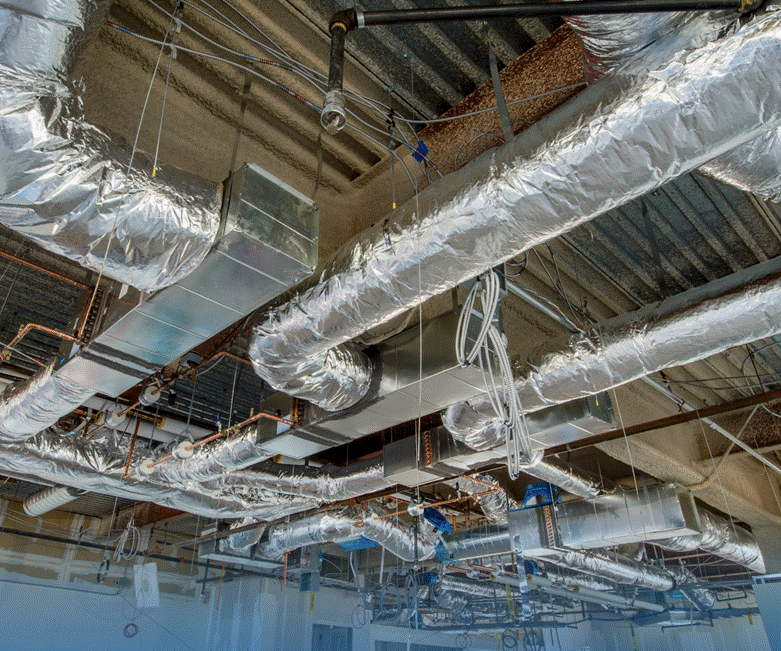
What Causes Duct Leaks?
Several factors contribute to ductwork problems over time, especially in a typical home exposed to Albuquerque’s climate.
- Aging materials and wear in the HVAC ductwork
- Poor installation or weak duct connections
- Expansion and contraction from temperature swings
- Damage from rodents or activity in the attic
- Use of standard duct tape, which breaks down over time
Many systems also include flexible duct sections that can sag or tear, leading to disconnected sections and airflow issues. Without proper sealing or maintenance, these problems can result in ongoing energy loss and reduced efficiency.
How Professionals Confirm Duct Leakage With a Ductwork Assessment
Accurately diagnosing duct leakage requires more than guesswork. A professional ductwork assessment ensures that issues are properly identified and addressed.
- Visual Inspection: Technicians perform a visual inspection of duct joints, seams, insulation, and connections. They look for visible leaks, damaged insulation, and disconnected ducts.
- Duct Pressure Testing: Specialized tools measure how much air escapes from the system. This helps technicians detect leaks and quantify energy loss within the duct system.
- Smoke or Airflow Testing: Professionals use smoke or airflow tools to identify leaks and pinpoint exact problem areas where air escapes.
- System Performance Evaluation: The entire HVAC system is evaluated to ensure balanced airflow and proper operation of your cooling equipment and heating system.
Working with licensed, trained technicians ensures accurate results and prevents unnecessary or ineffective repairs. Learn more about our expert duct services.
How Duct Leaks Are Fixed With Proper Duct Sealing
Fixing leaky ducts requires professional materials and techniques designed for long-term performance.
Common solutions include:
- Sealing leaks with mastic sealant or duct sealant
- Using aluminum foil tape instead of standard duct tape
- Reconnecting loose or disconnected ducts
- Adding or repairing duct insulation
In some cases, aerosol sealant may be used to seal hard-to-reach areas from the inside. If damage is extensive, ductwork repair or even duct replacement may be recommended.
Professional sealing improves airflow, reduces energy loss, and prevents future costly repairs.
When to Call a Professional in Albuquerque
Some duct issues require immediate attention from a qualified technician.
You should call a professional if you notice:
- Persistent comfort issues or uneven airflow
- Sudden increases in high utility bills
- Visible damage or visible gaps in ductwork
- An older system showing signs of wear
Local expertise matters. Albuquerque homes face unique challenges from heat, dust, and long cooling seasons. A trained team can quickly diagnose and resolve duct leakage signs with reliable solutions.
Visit First Rate Plumbing Heating & Cooling to schedule service or request an evaluation.
Restore Comfort and Efficiency With Professional Duct Inspection
Addressing duct leakage signs early can prevent major issues with comfort, energy use, and indoor air quality. Leaks reduce efficiency, strain your HVAC system, and allow contaminants to circulate through your home.
With professional inspection and duct sealing, you can restore proper airflow, improve comfort in every room, and lower long-term energy bills.
First Rate Plumbing Heating & Cooling provides duct repair, sealing, and solutions designed to improve airflow, air quality, and overall system efficiency.
Call (505) 859-4329 or schedule a service today to restore your home’s comfort and efficiency.
Frequently Asked Questions
What are the most common duct leakage signs in a typical home?
Common duct leakage signs include uneven temperatures, excessive dust, weak airflow, and rising energy bills caused by hidden duct leaks in the system.
How do leaky air ducts affect indoor air quality and air flow?
Leaky air ducts can pull in dust, insulation fibers, and contaminants, leading to poor indoor air quality and disrupted airflow throughout your home.
Can duct leaks increase energy bills and reduce energy efficiency?
Yes, duct leaks cause conditioned air to escape, forcing your HVAC system to run longer and increasing energy use, which leads to higher energy costs and reduced energy efficiency.
What is the best method for air duct repair and duct sealing?
Professional air duct repair typically involves sealing leaks with mastic sealant, duct sealant, or aluminum foil tape, ensuring long-lasting results compared to temporary fixes like standard duct tape.
When is duct replacement better than ductwork repair for duct leakage?
Duct replacement may be recommended when there are extensive ductwork problems, such as disconnected sections, damaged flexible duct, or widespread leaks that cannot be effectively sealed.
How do I contact First Rate Plumbing Heating & Cooling for duct leakage and air filter quality issues?
You can call (505) 859-4329 or schedule service online. First Rate Plumbing Heating & Cooling provides expert ductwork repair, duct sealing, and solutions to improve your home’s air quality and efficiency.

