
HVAC Zoning Systems: When They’re Worth It (and When They’re Not)
Hot and cold spots are a common issue for Albuquerque homeowners. You might notice one room feels too warm while another stays uncomfortable, even though your HVAC system is running. This uneven performance often leads to constant thermostat adjustments and rising energy bills.
An HVAC zoning system is one potential solution. It allows you to better control temperatures throughout your home. However, zoning is not always necessary.
In this guide, we’ll explain how HVAC zoning works, when it’s worth the investment, and when other options may solve the problem more effectively.
What Is an HVAC Zoning System and How Does HVAC Zone Control Work?
An HVAC zoning system is a type of zone control system that divides your house into multiple zones. Each zone has its own thermostat, allowing you to control temperatures in different areas instead of relying on one thermostat for the entire HVAC system.
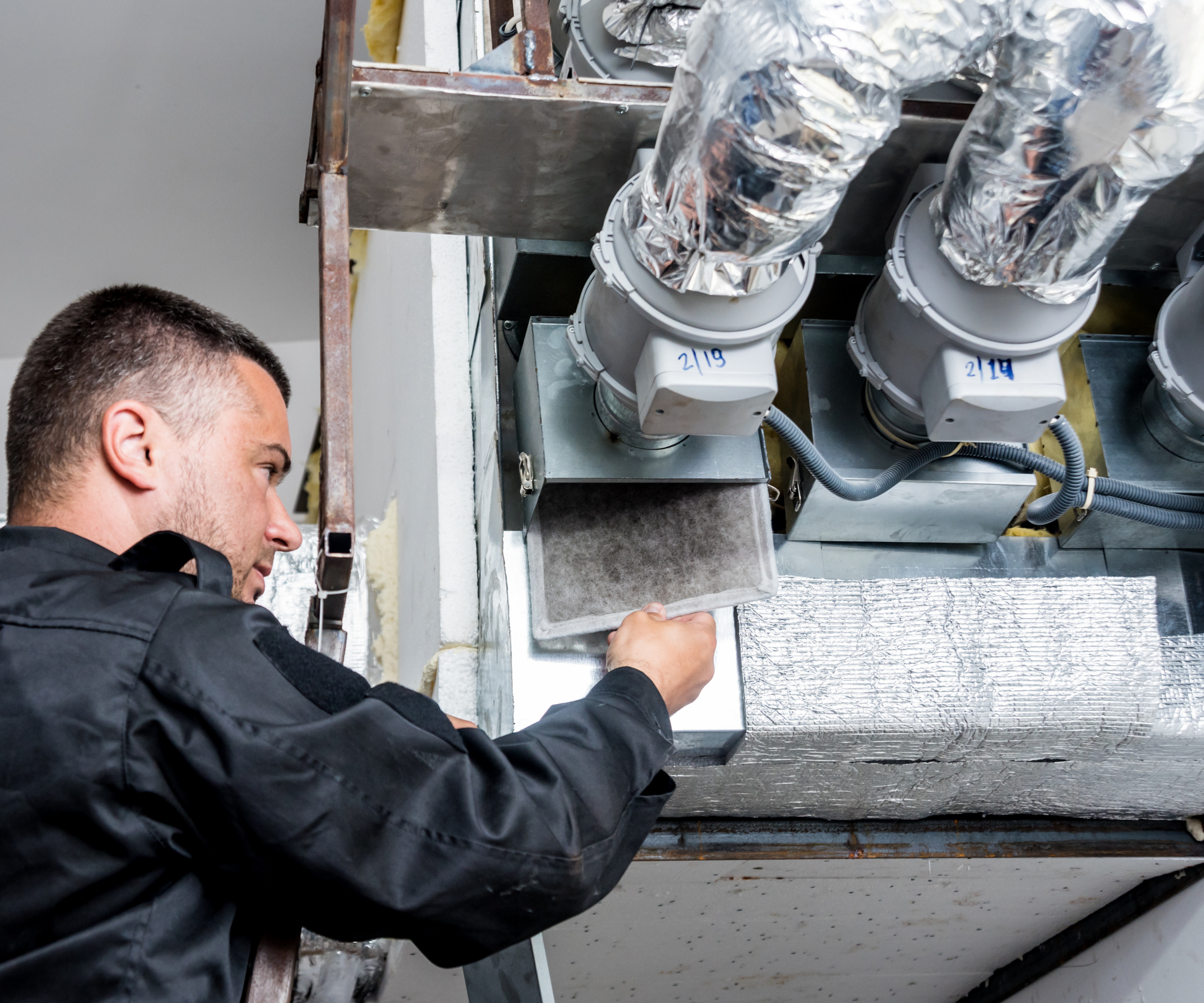
This system uses HVAC zone dampers installed in the duct system. These motorized dampers regulate airflow, directing cool air or heated air only where it’s needed. A central zone panel and zone controllers coordinate the system and adjust airflow automatically.
A properly installed zoned HVAC system improves temperature control, reduces wasted energy, and supports better energy efficiency.
Zoning decisions also play a critical role in overall HVAC system performance. Research from the University of Kansas explains that HVAC system types and thermal zoning must be selected early, as building performance depends on how spaces interact and how heating and cooling are distributed.
Poor zoning decisions can lead to discomfort in areas without proper thermostat control and even reduced indoor air quality.
Common HVAC Zoning Problems in an HVAC System
Many homes in Albuquerque experience uneven heating and cooling due to layout and climate. A zoned system helps solve several common issues.
- Persistent hot and cold spots in different rooms
- Warmer upper floors because heat rises
- Rooms with large windows gaining excess heat
- Underused spaces receiving unnecessary heating or cooling
- Airflow challenges in a multi story home
By focusing on specific rooms instead of the whole house, zoning reduces wasted energy and improves overall energy use. This leads to better comfort and can help lower long-term energy costs.
When an HVAC Zoning System Is Worth It for Energy Savings
An HVAC zoning setup can be the perfect solution when your home has clear airflow or layout challenges.
Zoning is often worth it for:
- A multi-story home with uneven temperatures
- Homes with high ceilings or large open spaces
- Additions that your existing system struggles to support
- Families needing different temperatures in areas like the master bedroom
With multiple thermostats and individual zones, you gain precise temperature control across your home. This can reduce strain on your cooling system and heating equipment.
Zoning can also deliver increased energy savings by reducing wasted heating and cooling. According to ENERGY STAR, improving HVAC efficiency can help homeowners save energy and lower utility costs.
Zoning works well with modern systems like a heat pump or a dual zone HVAC system, offering efficient heating and cooling throughout the entire house. Over time, this can lead to meaningful cost savings and improved system performance.
When HVAC Zoning May Not Be the Best Option for Your HVAC System
While HVAC zoning offers clear benefits, it’s not the right solution for every home.
Zoning may not be the best option if:
- Your home functions well as one zone
- Your existing ductwork cannot support zoning upgrades
- Comfort issues are caused by insulation or air sealing problems
- Your HVAC equipment is outdated and needs replacement
If your system already maintains a consistent ideal temperature, a zoning upgrade may not provide enough benefit. In some cases, improving airflow or upgrading the HVAC system is a better investment.
HVAC Zoning vs AC Zoning and Ductless Mini Solutions
Before investing in HVAC zoning, it’s important to compare it with other comfort solutions.
Improving insulation and sealing gaps can help maintain conditioned air and reduce temperature fluctuations. These upgrades are often the first step in solving hot and cold spots and improving energy efficiency.
Upgrading to a newer HVAC system or adding a smart thermostat can also improve system controls and temperature consistency. In some homes, a ductless mini system or ductless mini split offers targeted comfort without modifying existing ductwork.
AC zoning and ductless options are especially useful for additions, garages, or single rooms that need independent control. The key is identifying the root cause of the problem. A professional HVAC contractor can evaluate your home and recommend the best solution.
For local expertise, you can work with our team at First Rate Plumbing Heating and Cooling to assess your system and determine the right approach for your space.
What to Expect From HVAC Zoning Installation and How Many Zones You Need
A successful zone control installation requires planning and expertise from a qualified HVAC contractor or HVAC professional.
The process typically includes:
- Evaluating your home layout and airflow
- Determining how many zones are needed, often two to four zones
- Installing multiple dampers in the ductwork
- Setting up multiple thermostats
- Integrating a central zone panel with your existing system
Proper installation ensures balanced airflow and reliable performance. When done correctly, zoning improves comfort while protecting your heating and cooling equipment
Signs You May Need to Add Zones to Your HVAC System
Certain signs indicate your home may benefit from HVAC zoning:
- Persistent hot and cold spots throughout the house
- Hot upstairs and cold downstairs conditions
- One room consistently a different temperature
- Constant thermostat adjustments to maintain comfort
- Rising energy bills without increased usage
These issues often point to airflow imbalances or inefficiencies within your HVAC system. If you’re experiencing any of these problems, it may be time to add zones. You can schedule an evaluation with First Rate Plumbing Heating and Cooling through our online service scheduling.
HVAC Zoning Cost Savings and Increased Energy Savings Over Time
The cost of installing an HVAC zoning system depends on factors like home size, number of zones, and ductwork complexity.
While upfront costs vary, zoning can lead to long-term cost savings by improving energy efficiency. By directing airflow only where needed, the system reduces strain on your cooling system.
Guidance from the U.S. Department of Energy highlights how targeted heating and cooling can improve overall system efficiency.
Over time, increased energy savings and reduced wear on HVAC equipment can extend the system’s lifespan. This makes zoning a practical investment for homeowners looking to improve comfort and efficiency.
Get the Right HVAC Zoning System for Your Home
An HVAC zoning system can significantly improve comfort, airflow, and energy efficiency, but it’s not a one-size-fits-all solution. The best approach depends on your home’s layout, your existing HVAC system, and your specific comfort challenges.
At First Rate Plumbing Heating and Cooling, we evaluate your system and recommend solutions based on your home’s needs. Our licensed technicians prioritize performance, efficiency, and long-term reliability.
If you’re dealing with uneven temperatures or rising energy costs, call (505) 859-4329 or fill out our contact form to request an estimate. Get a customized solution that keeps your home comfortable year-round.
Frequently Asked Questions
Is an HVAC zoning system worth it for an Albuquerque home?
An HVAC zoning system can be worth it if your Albuquerque home has uneven temperatures or unused spaces, but a professional evaluation helps confirm if it’s the right solution.
Can an HVAC system with an existing system setup support zoning?
Many homes can add zoning to an existing system, but your ductwork and equipment must be compatible for proper performance.
Will HVAC zoning help with energy savings and lower energy costs?
Yes, zoning can improve energy savings by reducing wasted energy and allowing you to heat and cool only the areas you use.
Does HVAC zoning improve indoor air quality in the home?
While zoning focuses on comfort, better airflow management can support improved indoor air quality when paired with proper filtration.
How do HVAC zone dampers control temperatures in different areas?
HVAC zone dampers open and close within your duct system to direct airflow, helping you control temperatures in different rooms more effectively.
How many zones are recommended for a multi-story home with high ceilings?
Most multi-story home setups use two to four zones, depending on layout, high ceilings, and how different areas are used.
How do I contact First Rate Plumbing Heating & Cooling for HVAC zoning?
You can contact First Rate Plumbing Heating & Cooling by calling (505) 859-4329 or schedule a service online to speak with an HVAC professional about zoning solutions.

