
Forced Air Heating Explained: How It Works, Comfort Issues, and Efficiency Tips
Forced air heating can warm a house fast, which is why it’s common across New Mexico. Still, plenty of homeowners deal with dust, dry-feeling indoor air, or one room that never matches the thermostat. In a region that’s generally dry, winter comfort complaints can feel louder.
In this guide, I’ll walk you through how forced air heating works, why the most common issues happen, and which efficiency tips actually help without replacing your entire system. If you’re dealing with uneven airflow, persistent dust, or hot and cold rooms, an airflow check and tune-up can pinpoint what’s really going on with your forced air system.
You can always reach out to First Rate Plumbing Heating and Cooling for service-first guidance.
What Forced Air Heating Is and How It Works
Forced air heating systems heat air and distribute that heated air through ductwork using a blower.
This central heating setup is popular because the same ducts can support air conditioning for summer and even some heat pumps for heating and cooling year-round comfort. In many homes, the central air conditioning system shares the same air handler and ducts as the furnace.
The thermostat calls for heating, the furnace heats air through a heat exchanger, and the blower pushes warm air into the supply plenum and out through supply ducts and vents. Air returns through return ducts, passes through the air filter, and cycles back so the system can keep air moving and maintain temperature control.
The Key Parts of Forced Air Heating Systems That Affect Comfort: Air Filter, Ducts, Returns, Registers
Your comfort chain depends on a few components working correctly. The air filter helps with air quality and can improve indoor air quality, but a clogged filter restricts airflow and can raise energy costs. Ductwork condition matters too because leaks can dump heated air into unconditioned spaces, which wastes energy and makes individual rooms harder to heat.
Return-air pathways are just as important as supply. A back bedroom with a closed door and a weak return path can run colder at night, even with a strong furnace, because the air systems can’t move air properly. In this situation, the problem often looks like “not enough heat,” but it’s really airflow balance.
Common Forced-Air Comfort Issues in New Mexico: Air Quality, Dryness, Uneven Temps
Forced air moves air, so dust can show up faster than with radiant heating systems or other heating systems. Filtration helps, but no filter catches everything, and leaky returns can pull dusty air from attics or crawlspaces where applicable. If you’re changing your air filter but still seeing poor indoor air quality, it may be a duct or return-side issue instead of a filter issue.
Dry-feeling indoor air is another common complaint. Heating often lowers relative humidity, and EPA guidance commonly points homeowners toward keeping indoor humidity around 30% to 50% for comfort.
In a generally dry region, that dryness can feel amplified, so solutions often focus on sealing air leaks, improving airflow, and dialing in the system rather than chasing “hotter heat.”
Uneven temperatures and uneven heating are usually tied to duct leakage, blocked vents, poor balancing, or return-air limitations. If one room stays cold while another gets hot air, the furnace may be fine, and the duct delivery may be the real bottleneck. This is also why radiant heating and forced air can feel different in cold climates, even at the same thermostat setting.
Energy Efficiency Tips That Actually Help Without Overpromising
Start with the simplest maintenance that protects energy efficiency. Change or clean filters on schedule so the blower is not fighting restriction, which can mean more energy use and higher bills. When airflow improves, the system can often heat the entire home more evenly.
Next, make sure vents and registers are clear. Rugs, furniture, and closed registers can create airflow problems that feel like the heater is failing, even when the heating element, combustion system, and thermostat are fine. If you have central AC or a new air conditioner tied into the same ductwork, clear airflow supports both heating and cooling performance.
Duct sealing and duct insulation can also be high-impact, especially when ducts run through unconditioned areas. Leaky ducts waste heated air and can increase energy bills, so sealing often improves comfort while supporting an efficient system.
For thermostat habits, keep it practical and steady when possible, because extreme setbacks can force long recovery runs that feel like “blast then chill” cycling in the morning.
If you’re comparing upgrades, a tune-up and duct improvements can sometimes deliver better comfort than jumping straight to a new system. If you do need replacement, ask what’s included in the quote and whether a free estimate applies to your options, especially if you’re comparing heat pumps, electric furnaces, and natural gas furnaces.
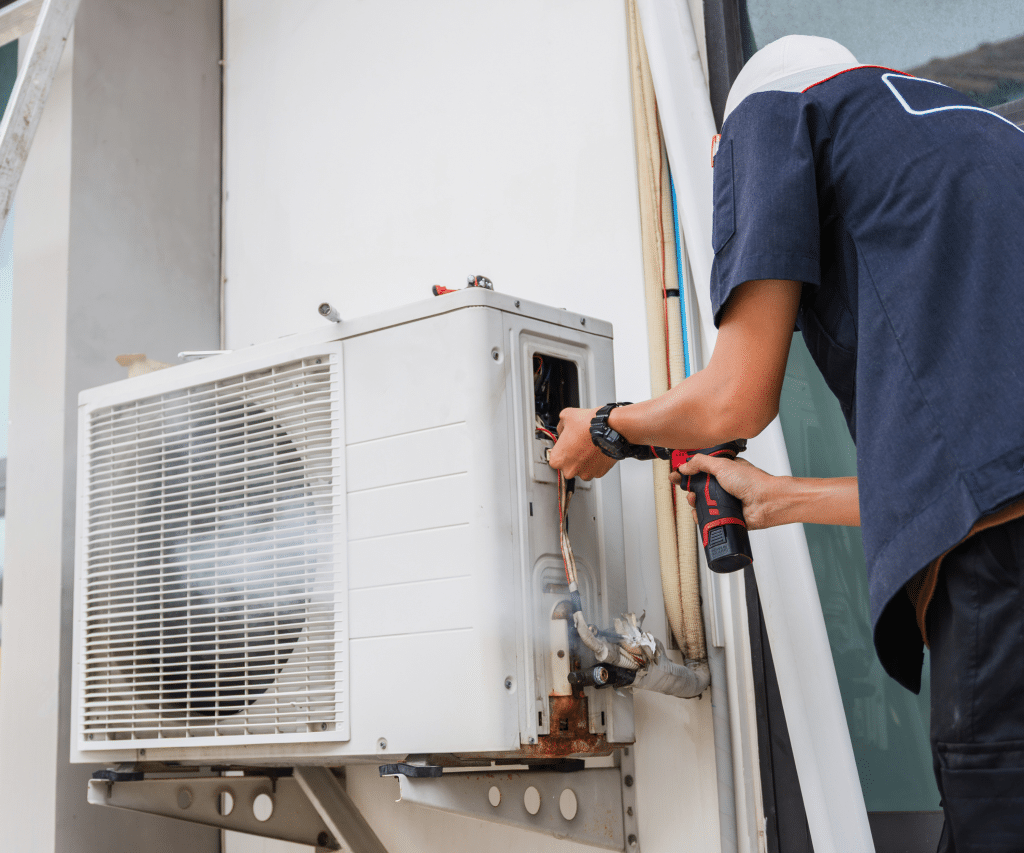
Signs You Need an Airflow Check or Tune-Up
If you’re unsure whether you need repairs or a deeper airflow review, these common patterns are a good place to start. They often point to duct restrictions, return-air issues, or hvac systems that are working harder than they should.
- Persistent hot/cold rooms: Uneven temperatures from room to room usually signal airflow or ductwork problems, not “lack of heating.”
- Weak airflow at certain registers: If warm air barely reaches one area, the duct run, damper, or register may be restricted.
- Excessive dust despite filter changes: This can suggest return-side leaks or ductwork pulling in contaminants, affecting indoor air quality.
- Short cycling or odd behavior: Rapid on/off cycles, unusual noises, or “off” smells can point to airflow restrictions, burner issues, or control problems.
- System struggles to hold setpoint: When the thermostat is steady, but comfort swings continue, it’s time to check the duct system, blower, and returns.
A professional check helps confirm what’s causing the problem and what to do next. We can identify restrictions, duct leakage, balance issues, and safety concerns like carbon monoxide risks tied to combustion appliances.
If you want help, heating services in New Mexico start with a real assessment, and you can always contact First Rate PHC to schedule.
Schedule a Forced-Air Heating Tune-Up in New Mexico
Forced air is an effective way to heat a home, but comfort depends on airflow, ducts, filtration, and humidity far more than “how hot the furnace gets.” If you’re dealing with dust, dryness, or uneven temperatures, a tune-up and airflow check can uncover the real cause and give you clear options.
At First Rate Plumbing Heating and Cooling, we keep it service-first with transparent pricing backed by our Final Price Guarantee and 100% Satisfaction Guarantee. Call 505-859-4329 Monday through Friday, 7:30 AM to 5:00 PM, or schedule through our heating services page. You can also request an estimate or schedule service online.
Frequently Asked Questions
What is forced air heating?
Forced air heating uses a furnace or heat source to create heated air, then a blower distributes it through ductwork and vents.
Why does forced air heating make my house feel dusty?
Forced air moves air, which can circulate particles. Leaky return ducts, poor filtration, or dirty ductwork can worsen indoor air quality.
Does forced air heating cause dry air?
Heating can lower relative humidity, especially in a generally dry winter climate. Air sealing, airflow fixes, and humidity control can help.
Why are some rooms colder with forced-air heat?
Cold rooms often come from duct leakage, blocked registers, poor return airflow, or balance issues that limit warm air delivery to that room.
How often should I change my furnace filter?
It depends on filter type, household dust, pets, and runtime. Many homeowners check monthly during heating season and replace as needed.
How can I get in touch with First Rate Plumbing Heating & Cooling for help?
If you are dealing with uneven heating or have questions about your system, First Rate Plumbing Heating & Cooling is easy to reach. Call (505) 859-4329 or use the online schedule service form to book an appointment with a licensed technician.

