
How Many Therms Does a Water Heater Use? A Simple Way to Estimate Your Cost
Many homeowners reviewing their gas bill notice the word “therm” and wonder what it actually means. If you have a natural gas water heater, those therms directly reflect your water heater therm usage and monthly energy costs.
Understanding how much energy your water heater uses helps you estimate cost, improve energy efficiency, and look for realistic energy savings.
In Albuquerque and the surrounding areas, colder winter weather often increases hot water demand. If your bill seems higher than normal, a professional efficiency check from First Rate Plumbing Heating & Cooling can help identify the cause.
What Is a Therm? Understanding Natural Gas Energy Consumption
A therm is a unit of heat energy equal to 100,000 BTUs. Utility companies use therms to measure natural gas energy consumption on your monthly bill.
When a gas water heater burns natural gas, it creates heat energy to heat water stored in a tank. That heating process shows up on your bill as therm usage. According to the U.S. Energy Information Administration, therms are a standard way to calculate gas energy use.
Electric appliances are measured differently. An electric water heater uses electricity, typically tracked in kilowatt-hours or watts, which affects electricity costs rather than therm totals. Understanding the difference helps you estimate how much energy each appliance in your house consumes.
Water Heater Therm Usage Per Month: How Much Energy Does It Use?
So how much energy does a typical water heater use per month? For many households, average usage ranges from about 15 to 30 therms per month, though actual usage can vary widely.
Water heater therm usage depends on several factors:
- Number of people in the household
- Length and frequency of each shower or hot shower
- Hot water usage for laundry and washing dishes in the dishwasher
- Incoming cold water temperature
- Overall water usage patterns
During winter, groundwater is colder. That means your water heater must work harder heating water to reach the set temperature, increasing therm use per month.
To estimate your portion of the gas bill:
- Check the total therms on your monthly bill.
- Estimate that water heating costs often represent roughly 15 to 25 percent of total gas usage in many homes.
This is only an example and not a precise formula. Every family, house size, and hot water demand pattern is different.
If you want help reviewing your water heating costs, our water heater services can evaluate performance and efficiency.
What Drives Higher Water Heater Therm Usage?
Several factors influence water heater therm usage and overall energy consumption.
Tank Size and Age
An older storage tank may lose efficiency over time. Sediment buildup inside the tank creates a barrier between the burner and the water, forcing the unit to consume more gas to maintain temperature.
The gallons or capacity of the tank also matters. A larger tank can meet high demand during the busiest hour of the day, but it may use more energy to maintain a reliable supply of hot water.
Thermostat Setting and Temperature
The higher the temperature setting, the more energy your heater consumes. Many manufacturers recommend around 120°F for residential comfort and safety.
Even small changes in temperature can affect much energy the unit requires. If your household frequently increases the setting for longer showers or high demand, therm usage may rise.
Insulation, Efficiency, and Energy Factor
Older models often have lower energy factor ratings. A lower energy factor means less efficiency and more gas required to produce the same amount of hot water.
Poor insulation around the tank or exposed hot water pipes increases heat loss. That heat loss forces the heater to cycle more often, increasing energy use and energy costs.
Leaks or Mechanical Issues
Dripping fixtures waste hot water and drive up usage. A faulty burner assembly, thermostat, or gas control valve can also reduce efficiency.
If your system struggles to maintain temperature or runs longer than normal, it may be time to contact a professional for inspection.
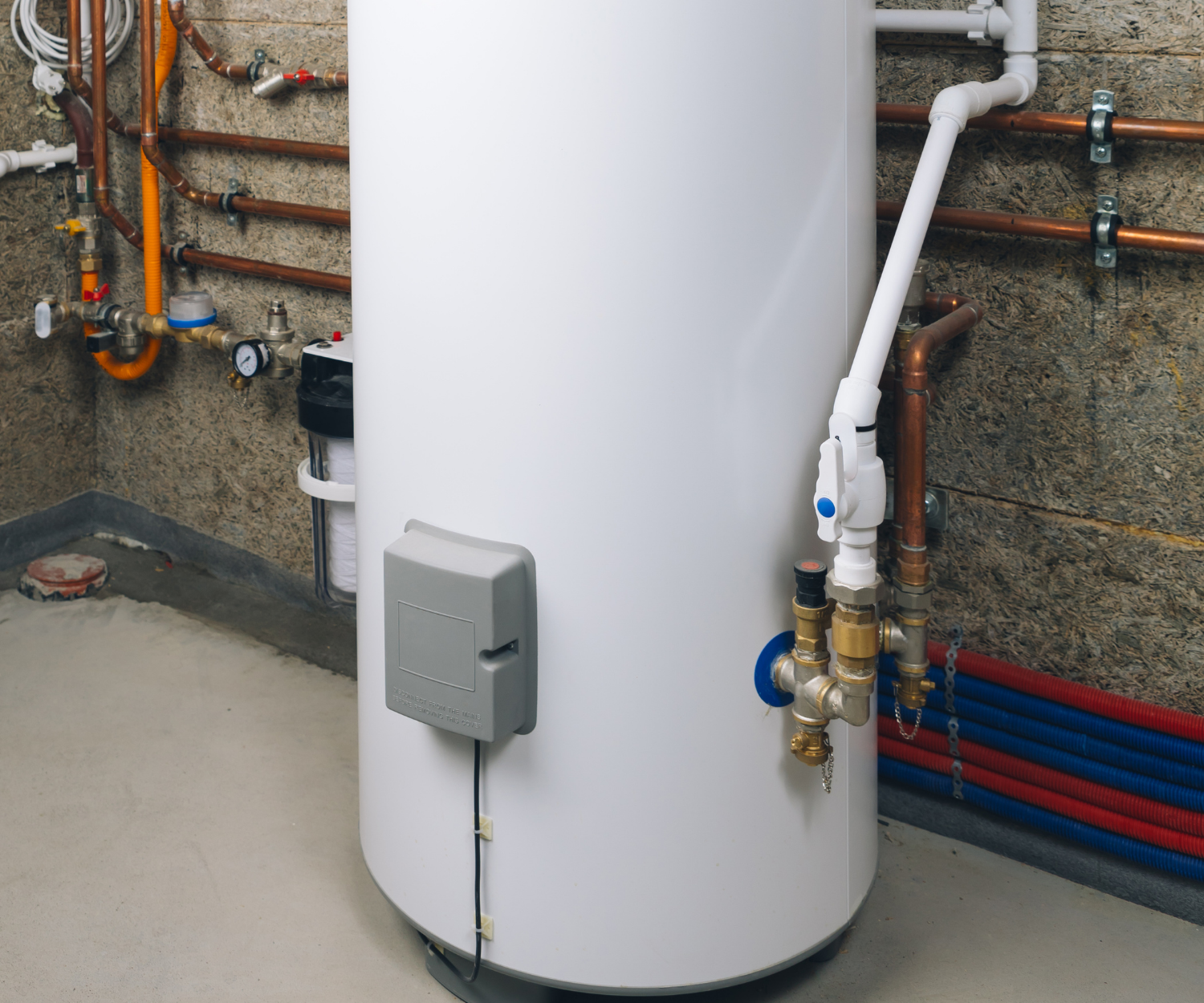
Quick Ways to Reduce Water Heater Therm Usage and Improve Energy Savings
There are practical steps homeowners can take to reduce water heater therm usage and improve energy savings without overpromising results.
- Lower the temperature setting if safe and appropriate for your household.
- Repair leaking faucets or fixtures promptly to reduce wasted hot water.
- Flush the storage tank annually to remove sediment and maintain efficiency.
- Install low-flow showerheads to reduce hot water usage.
- Insulate accessible hot water pipes to limit heat loss.
Upgrading may also help in some cases. Options include:
- A high-efficiency natural gas water heater
- A tankless water heater that heats water on demand
- A heat pump or an Energy Star-rated model
- Switching from older systems to more efficient appliances
Each install decision depends on household demand, available power, and long-term goals. Financing is available on qualifying systems, subject to approval.
If you are evaluating options, explore our water heater installation and replacement services to compare systems and efficiency levels.
Schedule a Water Heater Efficiency Check in Albuquerque and Surrounding Areas
Water heater therm usage depends on how much energy your system consumes, your household habits, and the efficiency of the unit. If therm totals per month seem unusually high, it may indicate sediment buildup, aging components, or reduced performance.
A professional inspection can evaluate burner operation, tank condition, and overall energy efficiency. At First Rate Plumbing Heating & Cooling, we provide licensed, background-checked technicians backed by our Final Price Guarantee and 100% Satisfaction Guarantee.
We proudly serve Albuquerque, Rio Rancho, Corrales, Bernalillo, Los Lunas, Edgewood, and Santa Fe. Call 505-859-4329 Monday through Friday from 7:30 AM to 5:00 PM, or schedule service online through our contact page.
Frequently Asked Questions
What is a therm on my gas bill?
A therm is a unit that measures heat energy from natural gas. Utility companies use therms to calculate how much energy your gas appliances consume, including your gas water heater. If you are reviewing water heater therm usage, the therm line on your bill shows how much gas was used during that billing cycle.
How many therms should a water heater use?
Average usage for a natural gas water heater is typically around 15 to 30 therms per month, depending on household size and hot water usage. A larger family, frequent shower use, laundry loads, and dishwasher cycles can increase energy consumption.
Because water heating costs vary by demand and incoming cold water temperature, actual therm usage may differ from home to home.
Does lowering my water heater temperature save gas?
Yes, lowering the temperature setting can reduce how much energy your water heater consumes. When the tank maintains a lower temperature, it requires less energy to keep hot water ready in the storage tank. Over time, that adjustment may help lower energy costs and improve overall energy efficiency.
Is high therm usage a sign my water heater is failing?
Higher than normal water heater therm usage can signal declining efficiency, sediment buildup in the tank, or a malfunctioning burner. As a water heater ages, it may consume more gas to produce the same amount of hot water. A professional inspection can determine whether repair, maintenance, or replacement is the best solution.
How do I contact First Rate Plumbing Heating & Cooling?
You can call 505-859-4329 Monday through Friday from 7:30 AM to 5:00 PM to speak with our team about your water heater use, energy costs, or installation options. Customers can also schedule service online. We provide 24/7 emergency plumbing service for urgent hot water issues.

