
5 Signs of a Refrigerant Leak and What to Do
Your air conditioner has been running all day, but your home still feels uncomfortably warm. You check the thermostat again, wondering if something’s wrong with the settings. The problem might not be your thermostat at all—you could be dealing with an AC refrigerant leak.
Refrigerant leaks are more common than you might think, and they can seriously impact your comfort while driving up your energy bills. When refrigerant levels drop, your HVAC system struggles to remove heat from the air effectively. Left untreated, leaking refrigerant can lead to expensive repair costs or even complete unit failure.
This guide will walk you through the most obvious signs of a refrigerant leak and what to do if you suspect your system has one. Recognizing these symptoms early can save you money and keep your home cool when you need it most.
 5 Common Signs of a Refrigerant Leak
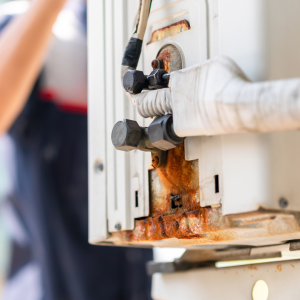 5 Common Signs of a Refrigerant Leak
As an HVAC expert, I always tell homeowners to watch for these signs of a refrigerant leak in their cooling system. Catching them early helps prevent damage, protects your indoor air quality, and avoids system failure.
1. Warm Airflow from Vents
Your AC unit should consistently blow cold air when running. If you notice warm air or inconsistent cooling, even while your indoor unit is on, you may not have enough refrigerant to complete the cooling process.
2. Ice Around the Evaporator Coils
Ice buildup on the evaporator coils or around the refrigerant lines is a red flag. Low pressure levels in the refrigerant cycle cause moisture to freeze, leading to restricted airflow and further inefficiency.
3. AC Unit Runs Constantly
A healthy AC unit should cycle on and off throughout the day. If your AC unit cycles continuously without reaching the set temperature, your system could be working overtime due to low AC refrigerant. This also means it’s using more electricity than necessary.
4. Hissing or Bubbling Sounds
A hissing sound is a classic indicator of a coolant leak. This noise usually comes from small pinholes or cracks in the coils or lines. In some cases, bubbling occurs when refrigerant gas mixes with moisture, which can also signal a larger leak.
5. Rising Energy Bills Without Explanation
If your HVAC system is suddenly using more electricity without any change in usage habits, a freon leak might be the reason. The system works harder to push cool air, using more power and stressing your equipment.
What Causes a Refrigerant Leak?
Understanding the root causes of an AC refrigerant leak helps you prevent refrigerant leaks and make informed repair decisions.
“A common cause of refrigerant leak is corrosion to the refrigeration lines. Or maybe you have too much vibration causing loose connections. Or maybe it’s just a manufacturer defect.” — Andrea Griego, First Rate Plumbing Heating and Cooling
- Corrosion is the most common cause. It wears down refrigerant lines, leading to holes or cracks.
- Excessive vibration from your outdoor HVAC unit can loosen seals or tear connections, especially in an older system or one that wasn’t installed securely.
- In some cases, a manufacturer defect in the condenser coil or tubing creates an issue from the start.
All of these problems can start small and get worse, especially if left unchecked. Over time, a small leak can result in a complete coolant leak, putting your whole system at risk.
What to Do If You Suspect a Leak in Your Air Conditioner
If you suspect your system has a leaking refrigerant issue, do not attempt to fix it yourself. Handling freon gas or other refrigerants without certification can be illegal and unsafe, potentially causing refrigerant poisoning or environmental harm.
Instead, take these steps:
- Schedule a professional inspection. A licensed HVAC professional can run a leak test using specialized equipment to find and fix the issue.
- Let a pro determine whether the leak can be sealed, or if damaged coils, connectors, or the accumulator need to be replaced.
- After the fix, they’ll recharge the refrigerant to the correct levels and confirm the indoor air is safe and cool again.
These services are critical not only to fix the point of the leak but to protect your home from future issues.
Keep Your AC System Running Smoothly
 Keep Your AC System Running Smoothly
Refrigerant leaks show up through several telltale signs: weak airflow, ice formation, continuous operation, unusual sounds, and climbing energy bills. While these symptoms might seem alarming, the underlying causes are common and treatable when addressed by qualified professionals.
Regular maintenance visits can catch small leaks before they impact your comfort or budget. Professional technicians can spot early warning signs and address minor issues before they turn into expensive repairs.
Noticed these warning signs in your home? Don’t wait for the problem to worsen. First Rate Plumbing Heating and Cooling has been serving local homeowners since 1999 with licensed, EPA-certified technicians who can diagnose and repair refrigerant leaks quickly and safely. Schedule your AC inspection today to keep your system running at peak efficiency.