
Running a successful restaurant requires more than great food and efficient service. Proper restaurant grease trap maintenance plays a critical role in keeping a commercial kitchen operational and protecting the building's plumbing system from expensive disruptions.
When a grease trap is neglected, the result can be slow drains, persistent foul odors, clogged pipes, and even wastewater backups that interrupt daily operations.
A proactive maintenance plan helps restaurant owners reduce risk, avoid unnecessary downtime, and support a healthier sewer system. For restaurants in New Mexico, including Albuquerque and Bernalillo County, local requirements may also apply to the handling of fats, oils, and grease (FOG).
This guide explains how a restaurant grease trap works, why grease trap cleaning matters, and how to recognize when a problem extends beyond the trap itself. If recurring odors, backups, or drainage issues are affecting your business, scheduling a professional plumbing evaluation can help identify the cause before it impacts service.
Restaurant Grease Trap Maintenance Starts With Understanding How a Grease Trap Works
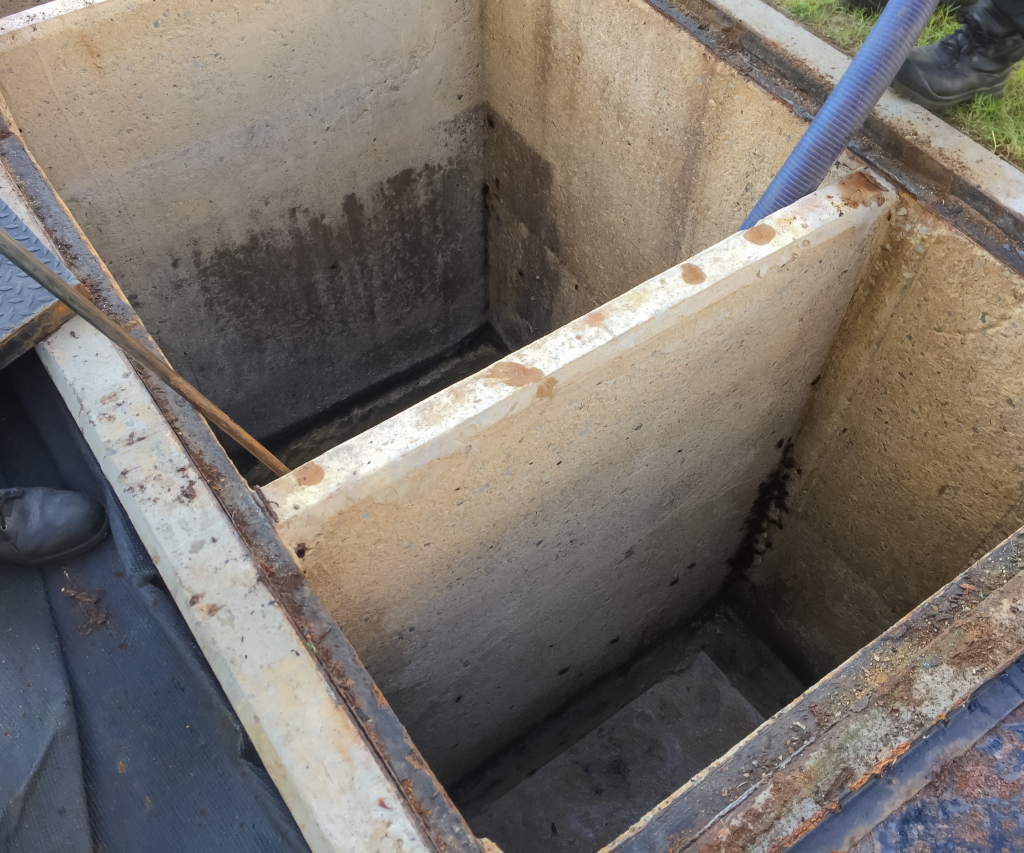
A grease trap is a specialized plumbing device designed to intercept and separate fats, oils, and grease from wastewater before it enters the municipal sewer system. Larger facilities may use grease interceptors, which perform the same function on a larger scale.
The purpose of a grease trap system is simple. It slows the flow of wastewater so that grease can rise to the surface while heavier solids settle to the bottom. The remaining water then continues through the drain system.
A properly maintained commercial grease trap helps protect sewer lines, reduce buildup, and support cleaner wastewater discharge. However, these systems only perform effectively when they are appropriately sized, accessible, and serviced on a regular schedule.
Common causes of grease trap problems include:
- Excessive restaurant grease entering drains
- Food solids and food waste bypassing screens
- Heavy use of cooking oil and grease-producing menu items
- Infrequent grease trap cleaning
- Poor maintenance documentation
- Grease that solidifies down the drain line
For example, a high-volume New Mexico breakfast restaurant preparing bacon, sausage, chile-based sauces, and fried foods may generate significantly more FOG than a coffee shop with limited food preparation.
When slow drains, gurgling sounds, or odors begin appearing, the problem may involve more than the grease trap alone. The issue could already be affecting downstream piping or the building's sewer connection.
Grease Trap Cleaning and Grease Trap Maintenance Plans Every Restaurant Needs
Effective grease trap maintenance is not a one-time task. It requires a structured approach that combines routine service, employee training, documentation, and periodic plumbing evaluations.
Commercial Grease Trap Cleaning Schedules Based on Fats, Oils, and Grease (FOG) Load
There is no universal cleaning schedule that works for every restaurant. The right frequency depends on kitchen volume, menu items, trap size, operating hours, and how quickly fats oils and grease accumulate within the system.
The Albuquerque Bernalillo County Water Utility Authority references the "25% rule," which recommends cleaning a grease removal system before grease and solids occupy 25% of its capacity. Their policy also states that failure to clean a system at least every six months, or as required by the 25% rule, may violate program requirements.
High-volume restaurants often require more frequent service, while lower-volume facilities still benefit from documented regular maintenance.
Factors that may increase FOG load include:
- Extended operating hours
- Catering events
- Holiday menus
- Increased customer traffic
- Expanded breakfast or brunch service
A restaurant owner should periodically review whether current cleaning intervals still match operational demands and incorporate commercial plumbing maintenance evaluations to help identify developing drainage, sewer, or grease-related issues before they lead to costly repairs.
Keep Food Solids and Grease Out Before They Reach the Grease Trap System
Even the most effective commercial grease trap cannot compensate for poor kitchen habits.
Staff should be trained to:
- Scrape plates into the trash before rinsing
- Use drain screens to capture debris
- Remove excess cooking oil and grease before washing cookware
- Properly manage used cooking oil
- Keep sauces, dairy products, and grease-heavy waste out of drains
These practices help reduce the amount of material entering the trap and support preventing clogs throughout the plumbing system.
A grease trap should never be viewed as a substitute for kitchen best management practices. It is only one part of an overall strategy for controlling fats, oils, and food waste. Including FOG procedures in employee onboarding, posting reminders near dishwashing stations, and conducting regular inspections can improve compliance and protect daily kitchen operations.
Document Grease Trap Cleaning, Grease Trap Pumping, and Repairs
Documentation is an important part of any restaurant grease trap maintenance program.
Restaurants should maintain records of:
- Grease trap cleaning dates
- Grease trap pumping invoices
- Repair and replacement records
- Disposal documentation when required
- Staff training records
- Maintenance observations
Tracking the cleaning process over time helps identify patterns that may indicate an undersized system, excessive grease generation, or the need for operational changes.
In some situations, recurring issues may indicate the need for grease trap replacement, evaluation of existing small grease traps, or review of previous grease trap installation decisions.Good records also help restaurants stay organized, budget for future maintenance, and demonstrate compliance with applicable requirements.
When Grease Trap Issue Becomes a Drain Cleaning or Sewer Problem
Not all plumbing issues originate inside the trap itself.
Sometimes, grease buildup extends beyond the trap and begins affecting branch lines, main drains, or the building's connection to the municipal sewer system.
Warning signs include:
- Multiple drains slowing at the same time
- Recurring backups shortly after trap cleaning
- Overflowing floor drains
- Persistent foul odors
- Gurgling fixtures
- Visible signs of wastewater backup
When these conditions occur, grease trap work alone may not solve the issue.
Professional drain and sewer services with camera inspections may be necessary to identify hidden blockages, grease accumulations, or damaged piping. Left unresolved, these conditions can lead to serious plumbing problems, sewage backups, operational disruptions, and expensive repairs.fit from more frequent inspections.
Grease Interceptors, Local Regulations, and Compliance for New Mexico Restaurants
Requirements for grease management vary by jurisdiction. Restaurants should always verify local expectations regarding maintenance, inspections, and documentation.
For Albuquerque and Bernalillo County food service establishments, the ABCWUA FOG policy includes expectations related to grease interceptors, cleaning frequency, sizing requirements, maintenance practices, and recordkeeping.
Regardless of location, restaurants can improve compliance by:
- Maintaining accessible equipment
- Following a documented maintenance schedule
- Keeping accurate records
- Addressing recurring plumbing concerns promptly
- Evaluating drainage issues before they become health code violations
Understanding applicable local regulations and maintaining a properly serviced system helps restaurants stay compliant and reduce operational risk.
How First Rate PHC Supports Commercial Grease Trap and Plumbing System Performance
When drainage problems affect your business, quick diagnosis and reliable service matter.
First Rate Plumbing Heating and Cooling provides commercial plumbing support for businesses throughout Albuquerque and nearby New Mexico communities. Our licensed, background-checked team helps identify plumbing concerns, investigate recurring backups, perform professional drain cleaning, and provide clear repair recommendations.
Whether the issue involves recurring odors, drainage concerns, or larger sewer system problems, our focus is to help businesses maintain efficient operations with clear communication and dependable response time.
Backed by our final price guarantee and 100% satisfaction guarantee, First Rate PHC helps businesses make informed decisions about their plumbing systems.
Build a Restaurant Grease Trap Maintenance Plan Before Costly Repairs Happen
Effective restaurant grease trap maintenance helps protect your business from disruptions, unexpected expenses, and operational headaches.
A successful plan includes:
- Regular grease trap cleaning
- Ongoing grease trap maintenance
- Employee training
- Accurate documentation
- Periodic plumbing evaluations
- Prompt attention to drainage concerns
By focusing on preventing clogs, controlling FOG, and addressing issues early, restaurant owners can reduce the risk of costly repairs, backups, and service interruptions.
If your facility is experiencing slow drains, recurring odors, drainage concerns, or uncertainty about maintenance needs, our team can help evaluate your plumbing system and recommend the next steps.
Call (505) 859-4329 or schedule service online to build a proactive maintenance plan that supports reliable kitchen operations.
Frequently Asked Questions About Restaurant Grease Trap Maintenance
How often should a restaurant grease trap be cleaned?
The ideal frequency depends on trap size, kitchen volume, and FOG load. High-volume facilities often require more frequent service than smaller operations.
What causes foul odors around a grease trap?
Common causes include grease buildup, food solids, delayed cleaning, and downstream drainage issues.
Can a grease trap backup shut down a restaurant?
Yes. Backups can disrupt wastewater flow, affect sanitation, and interfere with daily kitchen operations.
What should never go down a restaurant drain?
Restaurants should avoid disposing of fryer oil, grease, food solids, dairy-heavy waste, and other materials that contribute to FOG buildup.
When should a sewer line evaluation be performed?
If backups return after professional grease trap cleaning or multiple drains are affected simultaneously, a sewer line or drain system evaluation may be necessary.

