
A sewer gas smell in a house is never something homeowners want to deal with. Whether it's a rotten egg smell, sewage smell, or other unpleasant odors coming from drains, toilets, or utility areas, the odor often means something in the plumbing system is no longer keeping sewer gases where they belong.
In many cases, the cause is relatively simple. Dry p-traps, drain buildup, or minor plumbing problems can create sewer odors inside a home. In other situations, the sewer gas issue may point to venting issues, sewer gas leaks, or a larger sewer line problem.
This guide will help New Mexico homeowners understand the most common culprits, take proper steps to investigate safely, and know when professional sewer service may be needed.
First: Make Sure It's Not a Natural Gas Leak
Before assuming a sewer gas odor is coming from the sewer system, rule out natural gas. Both sewer gas and natural gas can create a sulfur-like gas smell that many people describe as rotten eggs.
If the odor is sudden, extremely strong, located near gas appliances, or accompanied by hissing sounds, dizziness, headaches, nausea, or breathing discomfort, leave the house immediately and contact your gas utility or emergency services from a safe location.
Once gas leaks have been ruled out, you can begin looking at plumbing-related issues such as dry traps, toilet seal failures, plumbing vents, or sewer line concerns. Safety should always come first.
If you suspect a gas piping issue, don't take chances. Our licensed team at First Rate Plumbing Heating & Cooling can help identify the source of the problem and recommend the safest solution. Learn more about our gas piping services.
Why Sewer Gas Enters a House in the First Place: Understanding Your Plumbing System
Most homes are designed to prevent sewer gas from entering living spaces. The plumbing system relies on p-traps and vent pipes to keep sewer smells contained while allowing wastewater to flow properly.
A P-trap holds water that creates a water barrier between the home and the sewer system. When water drains through a fixture, the trap remains filled and blocks methane and hydrogen sulfide from entering the house. If that water seal disappears, sewer gas can move into the room.
Plumbing vents and vent pipes also play a critical role. They allow sewer gases to escape through the roof and help maintain proper air pressure throughout the drain system. When venting issues develop, a blocked vent forms, or a drain pipe leaks, odors can begin appearing indoors.
Understanding where the smell come from, and how often it appears can help identify the underlying cause. A professional sewer inspection can help pinpoint more complex issues.
Cause #1: A Dry P-Trap in Floor Drains or Other Infrequently Used Drains
One of the most common causes of a sewer gas smell in house situations is a dry p-trap.
The smell is often strongest near floor drains, a guest bathroom sink, unused shower, laundry room standpipe, utility sink, or other infrequently used drains. In New Mexico's dry climate, water inside p-traps can evaporate over an extended period.
When a dry p-trap forms, the water barrier disappears, allowing sewer gases to enter the room. This can create unpleasant smells that seem to appear out of nowhere.
The first step is simple. Pour water into the drain or run running water for a minute or two to refill the trap. Some homeowners also use hot water periodically to keep p-traps filled. Regularly using fixtures or making sure water drains through them can help prevent sewer gases from entering the home.
Guest bathrooms, casitas, garage floor drains, and utility drains in New Mexico homes are especially prone to dry traps.
If the odor returns quickly after refilling the trap, additional plumbing issues may be involved. Learn more about drain cleaning and odor troubleshooting.
Cause #2: Toilet Seal Problems Around the Base
Another common reason a house smells like sewage is a failed toilet seal.
A toilet connects to the drain through a wax ring or other sealing component. When that seal loosens or deteriorates, sewer gas can escape around the base of the toilet.
Homeowners often notice the odor is strongest after flushing. The toilet may rock slightly when pressure is applied, and there may be water staining around the base. In more serious cases, soft flooring can develop as moisture damages surrounding materials.
If water is visible around the toilet or the floor feels soft, stop using the fixture and schedule repair promptly. Delaying repairs can lead to more extensive damage and costly repairs.
If the odor seems to be coming from a toilet, the issue could be related to the seal, drain connection, or another bathroom plumbing component. First Rate Plumbing Heating & Cooling also provides bathroom plumbing repair services and can help identify the source of persistent odors.
Cause #3: Vent Pipe Problems, Blocked Vent Conditions, and Plumbing Vents
Vent pipes are designed to restore proper airflow within the drainage system. When plumbing vents become blocked or damaged, sewer odors can appear throughout the house.
Common clues include gurgling sounds from drains, odors that come and go, or smells coming from multiple fixtures after heavy water use. Venting issues can create abnormal air pressure that may pull water from traps, allowing sewer gases to enter the home.
While some homeowners are tempted to inspect roof vents themselves, it is safer to avoid climbing onto the roof unless properly trained and equipped.
In New Mexico, homes with rooftop HVAC equipment, evaporative coolers, or air intakes should be evaluated carefully. Improper vent placement or damaged vent connections can contribute to indoor air quality concerns by allowing sewer gas odor to enter areas where fresh air is drawn into the home.
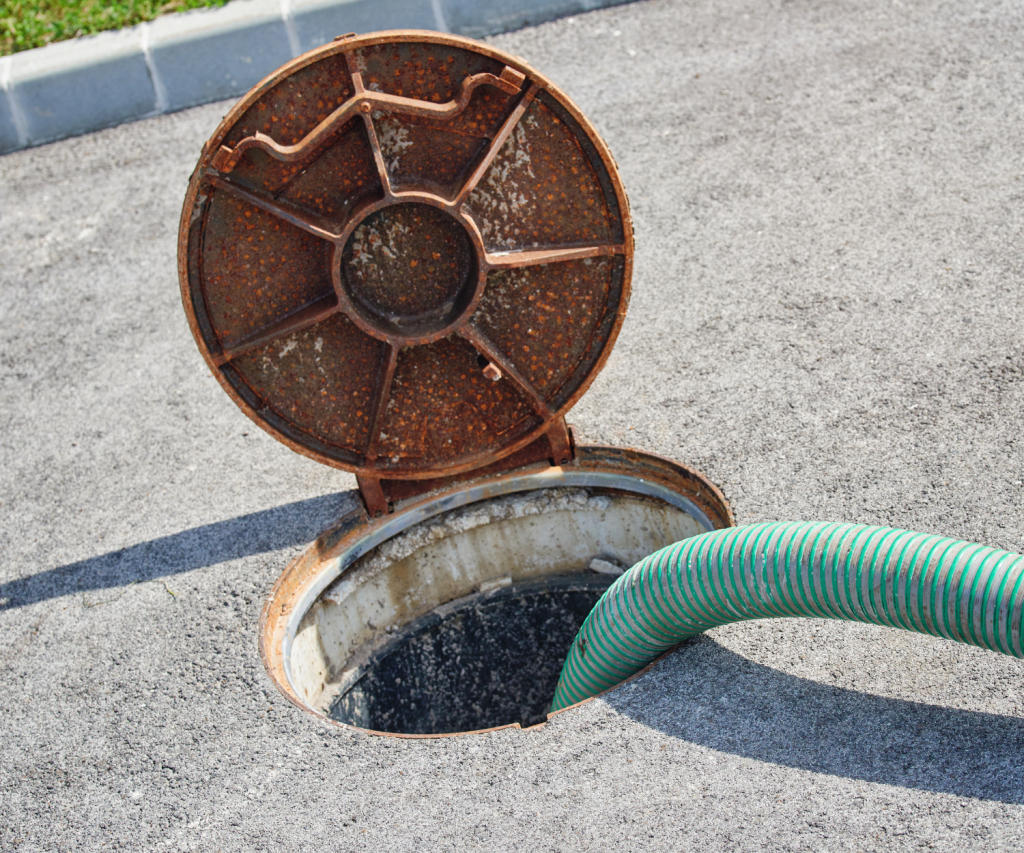
Cause #4: Drain Buildup, Blockages, or a Main Sewer Line Issue
When sewer smells are accompanied by slow drainage, repeated clogs, backups, or multiple drains acting up at once, the issue may extend beyond a single fixture.
A localized problem often affects only one drain. Soap residue, decomposing organic matter, grease, hair, and other debris can collect inside a drain pipe and create foul odors.
Sometimes baking soda and cleaning methods may help reduce buildup, but recurring odors usually indicate a larger issue.
When other drains begin reacting together, homeowners may be dealing with a main sewer line concern. Signs include slow drains, gurgling sounds, recurring sewage backups, and sewer gas odor returning after temporary fixes.
At First Rate Plumbing Heating & Cooling, foul odors, slow drainage, and gurgling sounds are common indicators that drains may need cleaning. Sewer line problems can also result from cracks, clogs, aging pipes, root intrusion, or damage within the sewer system. These complex issues often require camera inspection, repair, or replacement.
Recurring sewer odors should be investigated rather than masked. Waiting can allow plumbing problems to worsen over time.
What to Do First: A Safe Sewer Odor Checklist
If you notice sewer gas in your home, follow these proper steps:
- Rule out natural gas if the odor is strong, sudden, or near gas appliances.
- Open windows and improve proper ventilation in the affected area.
- Identify the room or fixture where the odor is strongest.
- Refill dry traps by running water or pouring water into infrequently used drains.
- Check whether toilets rock or show staining around the base.
- Monitor for warning signs such as gurgling, slow drains, backups, or multiple fixtures affected.
- Schedule a professional evaluation if the smell persists or returns.
It's also important to remember that hydrogen sulfide can affect a person's ability to smell odors at higher concentrations. Just because the smell disappears does not necessarily mean the issue has been resolved.
If symptoms continue, consider scheduling sewer line service.
When Sewer Gas Smell Is Urgent: Understanding Potential Health Hazards
Some sewer odors require immediate attention.
Treat the situation as urgent if:
- The odor is strong and sudden.
- Anyone experiences headaches, dizziness, nausea, or breathing discomfort.
- Sewage is backing up into fixtures.
- Multiple drains are affected.
- There is visible water damage.
- A toilet is loose.
- A broken pipe is suspected.
According to the Agency for Toxic Substances and Disease Registry (ATSDR), hydrogen sulfide smells like rotten eggs at low levels, is flammable, and may become hazardous at high concentrations.
Rather than waiting for the problem to go away, identify the source and address it promptly.
Get Sewer Gas Smell Evaluated Before It Becomes a Bigger Problem
A sewer gas smell can have many causes. Sometimes the solution is as simple as refilling dry traps. Other times, the source may involve toilet seals, blocked vent systems, drain obstructions, sewer gas leaks, or a damaged sewer line.
If the odor keeps returning, affects multiple rooms, or occurs alongside slow drains, backups, or gurgling, a professional evaluation is the best next step.
First Rate Plumbing Heating & Cooling provides sewer line inspections, maintenance, repair, and replacement services throughout New Mexico. Since 1999, our team has helped homeowners identify plumbing issues quickly and provide practical solutions backed by our final price guarantee and 100% satisfaction guarantee.
To learn more about sewer line services in New Mexico, or to request an estimate or schedule service, call (505) 859-4329 today.
Frequently Asked Questions
Is sewer gas smell in the house dangerous?
Not every sewer gas smell indicates immediate danger. However, strong, persistent, or recurring odors should be investigated, especially if symptoms or drainage problems are present. High concentrations of hydrogen sulfide can create health concerns and should not be ignored.
Why does my bathroom smell like sewer gas only sometimes?
Intermittent sewer odors are often caused by dry traps, changing air pressure conditions, or vent problems that appear after fixtures are used. Tracking when the odor occurs can help narrow down the cause.
Can a dry P-trap cause sewer smell?
Yes. A dry p-trap removes the water seal that normally blocks sewer gas from entering the home. This is one of the most common causes of sewer odors in infrequently used drains.
How do I know if sewer smell is a main line issue?
Warning signs include multiple slow drains, recurring backups, gurgling sounds, and odors that return after simple fixes. These symptoms may indicate a problem with the main sewer line.
Who should I call for sewer gas smell in New Mexico?
If sewer odors persist or you suspect sewer line trouble, contact a licensed plumbing and sewer professional. A thorough inspection can identify the source and recommend the appropriate repair.

