
A slow-draining sink, foul odors, or water backing up can quickly turn everyday tasks into a hassle. In many Albuquerque homes, the issue often starts right beneath the sink in the drain trap, also known as the P-trap. This curved section of pipe is designed to catch debris and block sewer gases, but it can also collect buildup over time.
The good news is that learning how to clean sink trap components is a simple first step that can restore proper flow. This guide walks you through the process, shares safety tips, and helps you recognize when it’s time to call a professional.
Signs You Need to Clean Your Sink Trap
Recognizing early warning signs can prevent a bigger clog or plumbing issue.
- Slow-draining sink in the kitchen sink or bathroom sink
- Persistent foul odors coming from the sink drain
- Gurgling sounds when water flows
- Minor backups or water filling up before draining
- Recurring clog even after using a plunger
If you notice these issues, your sink trap likely has buildup restricting flow. If problems continue after cleaning, it may be time to call First Rate Plumbing Heating and Cooling for professional drain and sewer cleaning to clear the blockage and prevent recurring drain problems.
Tools and Materials You’ll Need
Before starting, gather a few basic tools. Most items are available at a local hardware store or most hardware stores.
- Bucket to catch water and debris
- Adjustable wrench or channel lock pliers
- Gloves for safety
- Old toothbrush or bottle brush
- Towels or a rag for cleanup
You may also want duct tape to protect a metal finish from scratches when using pliers. Having everything ready helps you work efficiently and avoid unnecessary mess.
Step-by-Step Guide to Cleaning a Sink Trap
Step 1: Turn Off the Water and Prepare the Area
Clear out the space under your sink and place a bucket directly beneath the trap. This will catch any water, debris, or grease that drains out.
You usually don’t need to turn off the main water supply, but avoid running water during the process. Lay down a towel or rag to protect the cabinet and catch splashes.
Step 2: Remove the Sink Trap
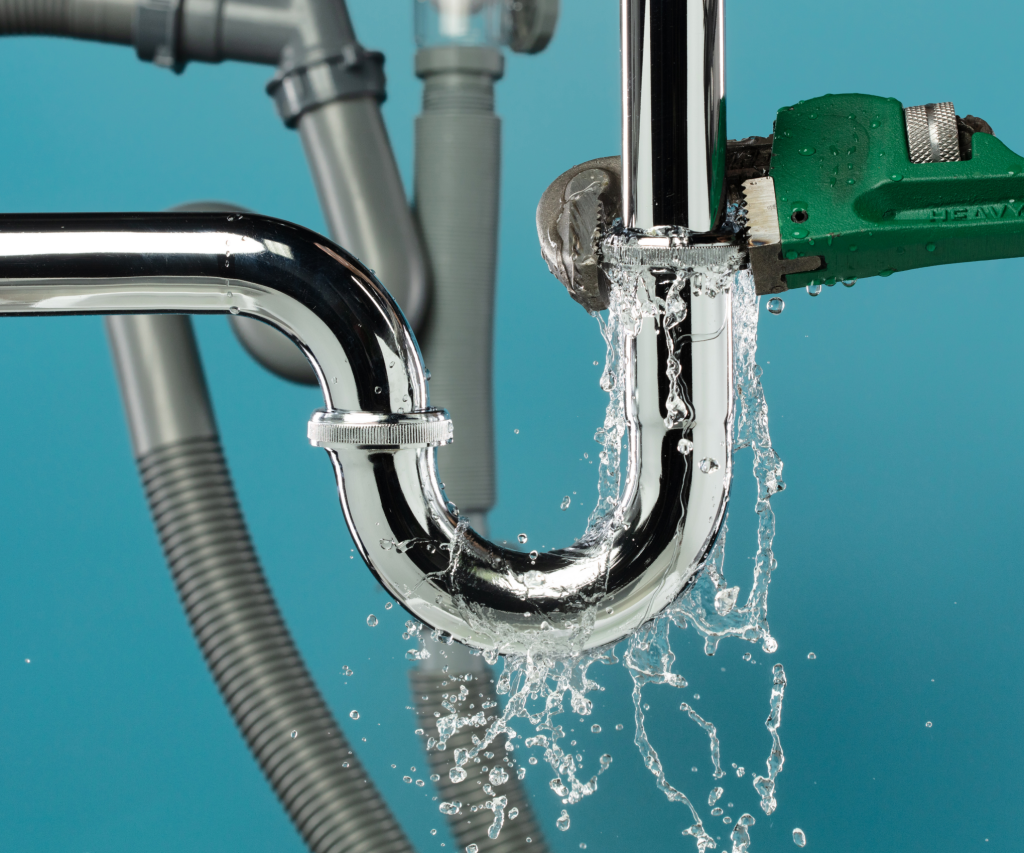
Locate the slip joint nuts connecting the trap to the pipes. Use your hands or channel lock pliers to loosen them with a gentle quarter turn. If they are tight, apply steady pressure to loosen without damaging plastic pipes or plastic traps.
Carefully unscrew the joint nuts and pull the trap free. Water and debris will drain into the bucket, so be ready to catch everything. Check the O-ring and connections as you remove the trap.
Step 3: Clean the Trap Thoroughly
Empty the contents of the trap into the trash. Remove any visible debris, grease, hair, or buildup.
Use a bottle brush or old toothbrush to scrub the interior. For stubborn residue, you can pour boiling water through the trap or use a mixture of baking soda and vinegar. Let it sit, then rinse with hot water to flush everything clean.
Avoid harsh chemicals like bleach before disassembly, as they can damage pipes and create safety risks. If you choose to use cleaning products, consider safer alternatives listed by the U.S. Environmental Protection Agency to reduce chemical exposure while cleaning.
Step 4: Reassemble and Test
Reconnect the trap by aligning it properly and tightening the slip nuts. Ensure a tight seal, but don’t over-tighten, as this can damage threads or crack plastic components.
Turn the water back on and let it run. Check for leaks, proper drainage, and steady flow. If everything looks good, your sink drain should be back to normal.
Safety Tips and Common Mistakes to Avoid
Working with plumbing is straightforward, but a few precautions can save you time and trouble.
- Avoid over-tightening connections to prevent cracks or leaks
- Don’t use chemicals before opening the trap
- Ensure proper alignment when reassembling pipes
- Wear gloves to avoid contact with debris and bacteria
- Protect metal surfaces with tape when using tools
Taking these steps helps maintain your plumbing system and prevents accidental damage.
When to Call a Professional Plumber
Cleaning a sink trap solves many minor issues, but not all clogs are that simple.
Call a plumber if you notice:
- Persistent clogs after cleaning the trap
- Multiple slow drains throughout the home
- Water backing up into other fixtures
- Signs of a deeper blockage in the wall or sewer line
These problems often require advanced tools like a drain snake or camera inspection. For expert help, contact First Rate Plumbing Heating and Cooling for professional drain and sewer cleaning to accurately diagnose and clear the issue.
Keep Your Drains Flowing Smoothly With Expert Help
Knowing how to clean sink trap components is a valuable skill for homeowners. It’s a simple fix that can restore flow and eliminate odors without much effort.
However, when problems go beyond a basic clog, it may be best to have a professional assess the situation. First Rate Plumbing Heating and Cooling provides drain cleaning services handled by licensed technicians.
If you’re dealing with persistent slow drains in Albuquerque or nearby areas, call (505) 859-4329 or schedule service online. Get your plumbing back to peak performance with reliable, local support.
Frequently Asked Questions
How often should I clean my sink trap?
Most homeowners should clean the sink trap every 3–6 months, depending on usage. Kitchen sinks often need more frequent attention due to grease and food debris buildup.
Can I clean a sink trap without removing it?
You can try flushing the drain with hot water, baking soda, and vinegar, but this won’t fully remove debris stuck inside the trap. Removing the trap is the most effective way to clean it thoroughly.
What should I do if the clog comes back after cleaning?
If the clog returns quickly, it may indicate a deeper blockage in your plumbing system. Professional drain cleaning can help clear the issue completely and restore proper flow.
Is it safe to use chemical drain cleaners?
It’s best to avoid harsh chemical cleaners. They can damage pipes, especially plastic ones, and create safety risks. Manual cleaning methods are safer and more reliable for sink traps.
How can I get in touch with First Rate Plumbing Heating & Cooling?
You can call First Rate Plumbing Heating & Cooling at (505) 859-4329 or schedule service online through our website. Our licensed, background-checked technicians serve Albuquerque and the surrounding areas with dependable plumbing solutions.

