
Air Sealing in New Mexico: Where Homes Leak and How to Fix It
Many New Mexico homeowners are surprised to learn that rising energy bills and uneven indoor temperatures are often caused by hidden air leaks, not just old windows or doors. Air leakage allows conditioned air to escape and outside air to enter, making heating and cooling systems work harder than necessary.
In Albuquerque’s climate, with hot summers, cold winter nights, and frequent wind, air sealing is one of the most effective and cost-effective ways to improve comfort and reduce energy waste.
This guide explains where homes commonly leak air, why air sealing in New Mexico matters, and how sealing gaps supports HVAC performance and energy efficiency. It also explains when a professional approach makes sense. Learn how air sealing projects fit into whole-home comfort solutions, including Home Performance services from First Rate.
Why Air Sealing Matters in New Mexico Homes
Air sealing matters because uncontrolled air flow directly affects comfort, energy costs, and indoor air quality. When homes leak air, hot, cold, and dusty outside air enters through openings in the building envelope. At the same time, heated or cooled air leaks out, increasing total energy costs and energy loss.
In New Mexico’s dry, high-sun environment, temperature swings between day and night amplify these issues. Homes can develop cold spots in winter and overheated rooms in summer, even when the HVAC system is running. This constant cycling increases heating and cooling costs and can shorten equipment lifespan.
Air sealing reduces drafts, helps prevent air from leaking, and supports a more energy-efficient home when done correctly. According to the U.S. Department of Energy, on air sealing and energy loss, sealing major air leaks is one of the best ways homeowners can save energy and improve comfort.
The Most Common Air Leakage Spots in Homes
Attic Air Sealing: Attics, Access Panels, and Top Plates
Warm air rises, which makes the attic one of the largest sources of air leakage in residential home construction. Gaps around attic access panels, top plates, and insulation openings allow heat loss in winter and energy waste year-round. Poor attic air sealing increases cooling costs during summer by allowing hot air to infiltrate living spaces.
Attic insulation alone does not stop air leaks. Without sealing gaps, air continues to move through insulation materials, reducing their effectiveness and contributing to higher utility bills.
Ductwork and Mechanical Penetrations
Ductwork is another source of major air leaks, especially in older homes. Leaky ducts allow conditioned air to escape before it reaches living areas, increasing heating and cooling run time. Gaps around refrigerant lines, plumbing, sheet metal connections, metal flashing, flues, and crawl spaces also allow constant air leakage.
Sealing these areas improves air flow and helps maintain the desired temperature throughout the home. It also supports heating and cooling performance and improves indoor temperatures from room to room. Professional heating and cooling services often include sealing air leaks around mechanical systems to improve energy efficiency.
Windows, Doors, and Wall Openings
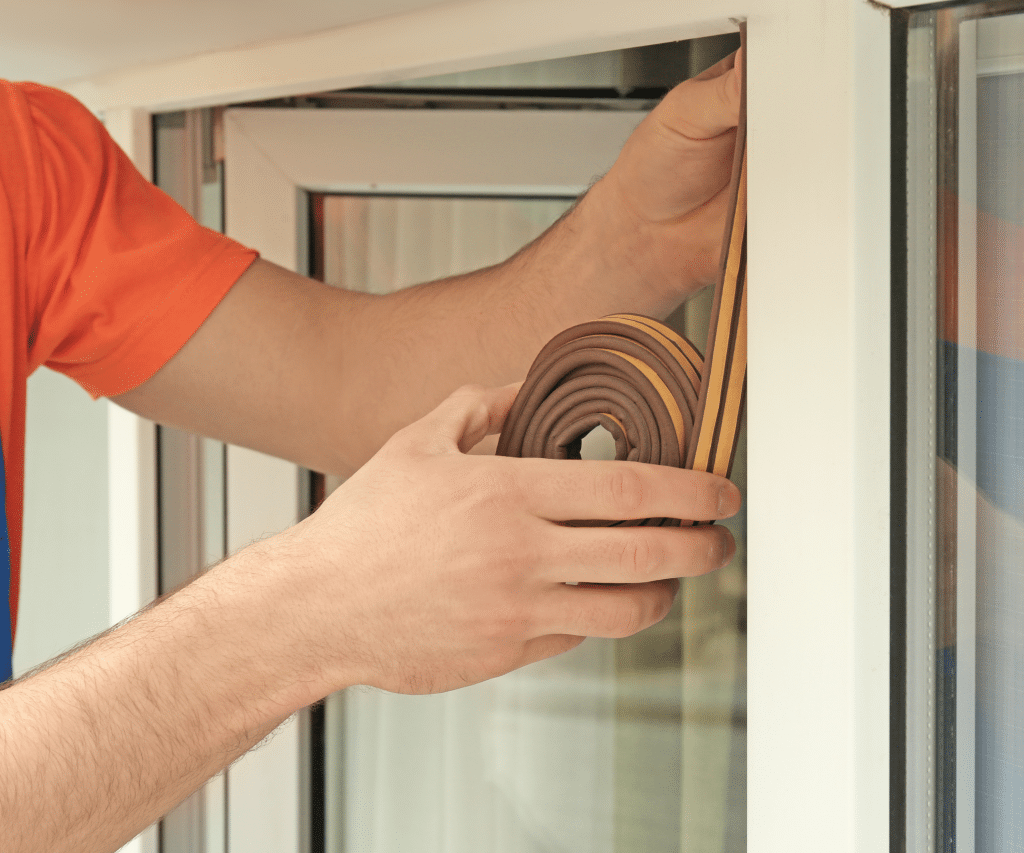
Windows, doors, and wall openings are common leakage points, especially where weather stripping has worn down or materials have shifted over time. Air leaks often occur around the frame, not the glass itself.
Sealing gaps around windows and doors can prevent outside air from entering and reduce dust and poor indoor air quality. In most cases, sealing leaks is more cost-effective than full window replacement and can significantly reduce energy costs.
How Air Sealing Supports HVAC Performance
HVAC systems are designed assuming a reasonably tight building envelope. When air leakage is excessive, the system must work harder to maintain comfort, leading to uneven indoor temperatures, short cycling, and higher energy bills. This increased strain can reduce system efficiency and shorten equipment life.
Air sealing techniques help HVAC systems operate as intended by keeping conditioned air inside the home. When leaks are sealed, heating and cooling systems can maintain steady indoor temperatures with less energy. This results in improved energy efficiency, reduced utility bills, and better overall comfort.
Pairing air sealing measures with HVAC system repair and replacement creates a more energy-efficient home. It also supports better ventilation system performance and improved air quality without overworking the system.
What Actually Works for Air Sealing (And What Doesn’t)
Effective air sealing focuses on sealing gaps and openings where air actually leaks, not just visible cracks. Major air leaks often occur in attics, crawl spaces, duct connections, and around plumbing or wiring penetrations. Using the right materials, such as spray foam, caulk, and weather stripping, is critical for long-term performance.
Professional air sealing services rely on proven air sealing techniques and diagnostic tools like blower door tests. A blower door or blower door test helps identify where leak air enters or exits the home. These tests guide air sealing projects toward the areas that will deliver the most energy savings.
Over-sealing without considering ventilation can create indoor air quality issues. According to ENERGY STAR guidance on air sealing and insulation, air sealing should be coordinated with proper ventilation to enhance comfort, air quality, and safety.
When to Consider a Professional Home Performance Assessment
Some signs indicate it may be time for a professional assessment. Persistent hot or cold rooms, rising energy bills without a clear cause, and an HVAC system that runs frequently with uneven results are common red flags. Older homes and homes with recent HVAC upgrades may also benefit from testing.
A professional assessment evaluates the entire building envelope, including attic insulation, crawl spaces, and air sealing measures. Tools like blower door testing identify major air leaks that homeowners may miss. Scheduling a home performance assessment helps prioritize sealing gaps and improving energy efficiency in a structured, cost-effective way.
How First Rate Helps Improve Comfort Through Air Sealing
First Rate Plumbing Heating & Cooling takes a whole-home approach to air sealing in New Mexico. Air sealing projects are paired with HVAC performance to improve comfort, reduce energy waste, and enhance indoor air quality.
Work is performed by licensed, background-checked technicians who focus on sealing gaps, improving air flow, and supporting long-term system performance. Homeowners benefit from clear recommendations, a final price guarantee, and a 100% satisfaction guarantee, without guesswork or unnecessary upgrades.
Book a Home Comfort Assessment in Albuquerque
Air sealing is one of the most effective ways to reduce energy loss, enhance comfort, and lower heating and cooling costs in New Mexico homes. A professional assessment helps identify where improvements will make the biggest difference, from attic air sealing to duct and ventilation system improvements.
If you are experiencing uneven temperatures, high utility bills, or comfort issues, a home performance assessment provides clarity and direction. Call (505) 859-4329 to speak with First Rate Plumbing Heating & Cooling.
Appointments are available Monday through Friday, 7:30 AM to 5:00 PM, with 24/7 emergency service available. Learn more about Home Performance services and take the first step toward a more energy-efficient home.
Frequently Asked Questions
What is air sealing and why is it important for New Mexico homes?
Air sealing is the process of closing gaps and openings where air leaks in or out of a home. In New Mexico, wide temperature swings, strong sun exposure, and seasonal winds make these leaks more noticeable. Proper air sealing helps stabilize indoor temperatures, reduce energy loss, and improve comfort year-round.
Where do most air leaks occur in residential homes?
Most air leaks are found in attics, crawl spaces, and around ductwork, plumbing, and wiring penetrations. Attic access panels, top plates, and unsealed framing gaps are especially common problem areas. Windows and doors can also leak air around the frame when weather stripping or seals wear down.
Can air sealing really reduce energy bills and heating and cooling costs?
Yes. By limiting uncontrolled air flow, air sealing helps heating and cooling systems work more efficiently. When conditioned air stays inside the home, systems run less often and maintain the desired temperature more easily. This can lead to lower energy bills and reduced utility costs over time.
Is air sealing the same as adding insulation, or are both needed?
Air sealing and insulation serve different purposes. Insulation slows heat transfer, while air sealing stops air movement. Insulation alone cannot prevent air leakage, which is why air sealing is typically addressed first. When combined, air sealing and insulation deliver better energy efficiency and comfort.
How do professionals find air leaks in a home?
Professionals use a combination of visual inspection and diagnostic tools to locate air leaks. Blower door testing is commonly used to measure air leakage and identify problem areas. This testing helps prioritize which gaps and openings should be sealed for the greatest impact.
How can I get in touch with First Rate Plumbing Heating & Cooling for air sealing services?
To learn more about air sealing or schedule a home performance assessment, contact First Rate Plumbing Heating & Cooling. Call (505) 859-4329 to speak with the office team. Appointments are available Monday through Friday from 7:30 AM to 5:00 PM, with 24/7 emergency service available. You can also request an estimate through the website by filling out our contact form.